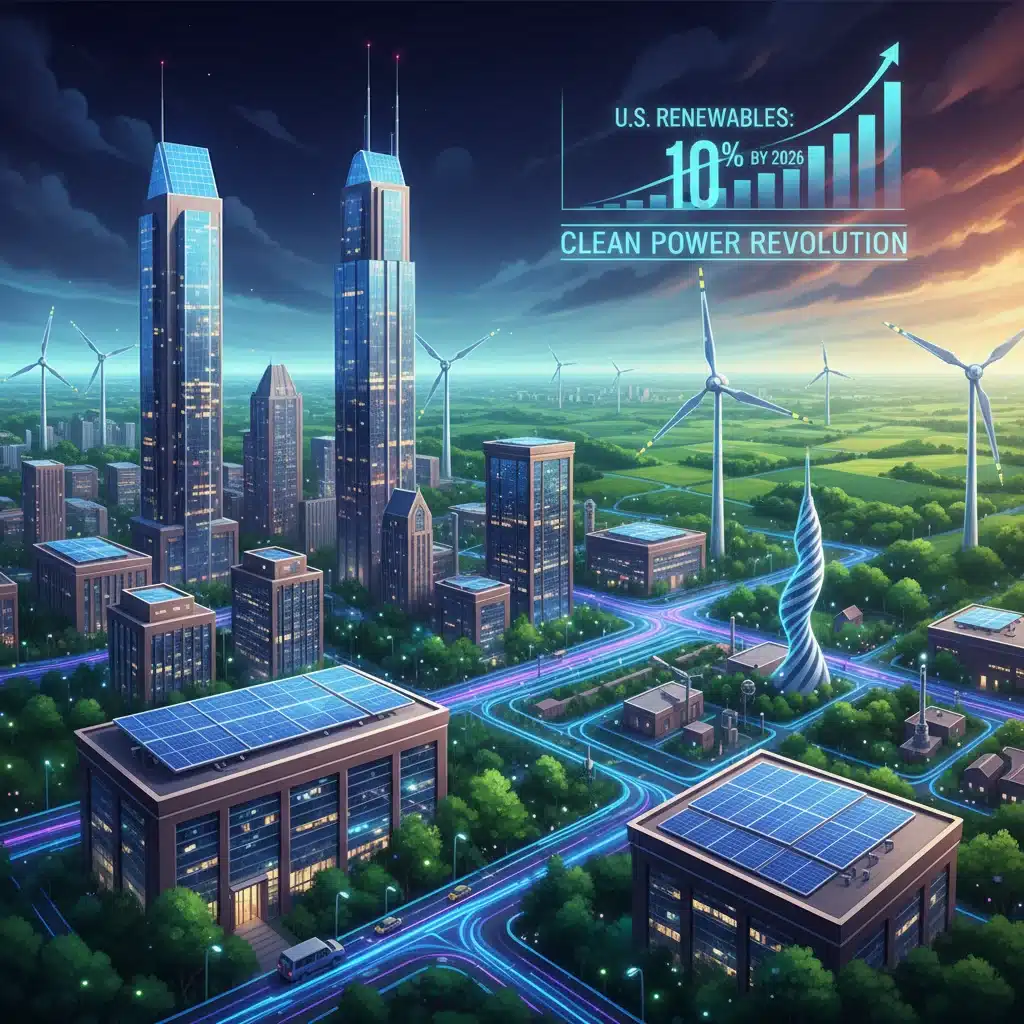
The United States stands on the cusp of a transformative era in its energy landscape. As we approach 2026, the anticipation surrounding US Energy Policy 2026 is palpable, with significant changes expected to reshape how the nation produces, consumes, and thinks about energy. A central theme emerging from these discussions is a projected 10% shift in renewable energy adoption, a monumental stride towards a more sustainable and resilient future. This comprehensive article delves into the intricacies of these anticipated policy shifts, exploring their drivers, potential impacts, and the broader implications for the economy, environment, and everyday citizens.
Anúncios
The journey towards a cleaner energy future is not a new one for the US, but the pace and scale of change are accelerating. Driven by a confluence of technological advancements, increasing environmental concerns, economic incentives, and evolving geopolitical landscapes, the US Energy Policy 2026 is poised to usher in a new chapter of energy independence and environmental stewardship. Understanding these shifts is crucial for businesses, policymakers, and individuals alike, as they will undoubtedly influence investment decisions, infrastructure development, and consumer choices.
The Current Energy Landscape: A Snapshot Before the Shift
Before we project into the future, it’s essential to understand the current state of the US energy sector. For decades, fossil fuels – coal, natural gas, and oil – have dominated the nation’s energy mix, providing the bulk of electricity generation and transportation fuel. While this has fueled economic growth, it has also come with significant environmental costs, including greenhouse gas emissions and air pollution. However, recent years have seen a remarkable surge in renewable energy sources, particularly solar and wind power, thanks to declining costs, supportive policies, and increasing public awareness.
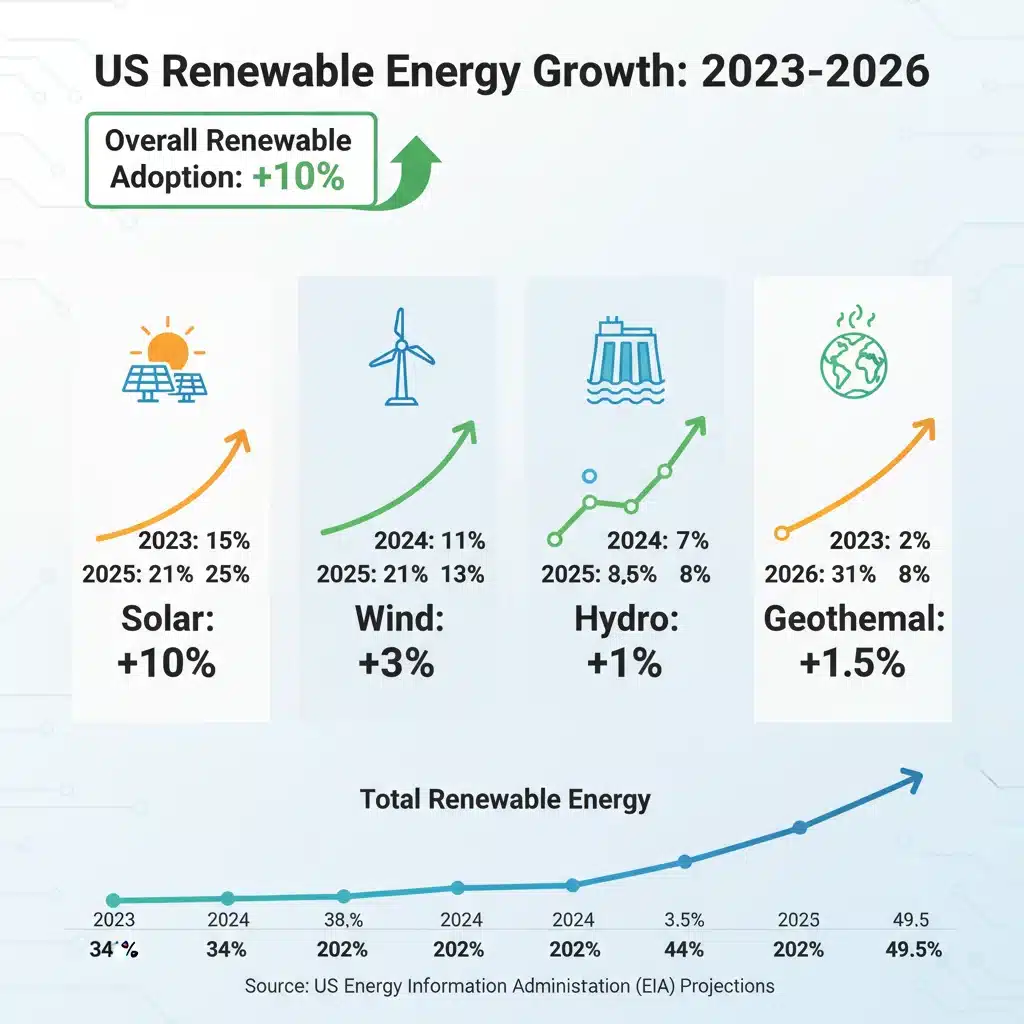
According to the U.S. Energy Information Administration (EIA), renewables have consistently increased their share in electricity generation, with solar and wind leading the charge. Hydropower, biomass, and geothermal energy also contribute significantly. This upward trend is not accidental; it’s a direct result of sustained investments in research and development, federal and state-level incentives, and growing corporate and consumer demand for cleaner energy alternatives. The existing policy framework, including tax credits, grants, and regulatory mandates, has laid a robust foundation for the anticipated 10% renewable energy adoption by 2026.
Anúncios
Despite this progress, challenges remain. Intermittency of renewable sources, grid modernization needs, and the economic transition of communities reliant on fossil fuel industries are complex issues that the US Energy Policy 2026 will need to address. The delicate balance between ensuring energy security, affordability, and sustainability will be a defining characteristic of the policy decisions ahead.
Key Drivers Behind the 10% Renewable Energy Shift
The projected 10% increase in renewable energy adoption by 2026 is not an arbitrary figure but a reflection of several powerful drivers:
Technological Advancements and Cost Reductions
Perhaps the most significant driver is the continuous innovation and dramatic cost reductions in renewable energy technologies. Solar photovoltaic (PV) panel efficiency has soared, while manufacturing costs have plummeted. Similarly, wind turbine technology has advanced, leading to larger, more efficient turbines capable of generating more power at lower costs. Battery storage solutions, crucial for addressing the intermittency of renewables, are also becoming more affordable and effective, making renewable energy more reliable and dispatchable. These technological leaps make a 10% shift not just aspirational but economically viable.
Growing Environmental Concerns and Climate Goals
The urgency of addressing climate change and its impacts continues to intensify. Public awareness of extreme weather events, rising sea levels, and biodiversity loss has spurred a greater demand for action. The US, as a signatory to international climate agreements, is committed to reducing its carbon footprint. The UN 2026 Climate Action Plan will likely reflect these commitments, with aggressive targets for emissions reductions and increased support for clean energy as primary mechanisms to achieve them. A 10% increase in renewables directly contributes to these overarching environmental and climate goals.
Economic Opportunities and Job Creation
The renewable energy sector is a significant engine for economic growth and job creation. Investments in solar farms, wind power projects, and associated manufacturing and services industries create a wide array of jobs, from engineers and technicians to construction workers and project managers. Policymakers recognize the potential for green jobs to revitalize local economies and provide new career pathways, particularly in regions transitioning away from traditional fossil fuel industries. The 2026 US Economic Outlook will likely leverage these economic benefits to garner broad support for renewable energy initiatives.
Energy Security and Independence
Diversifying the energy mix with domestic renewable sources enhances energy security by reducing reliance on volatile global fossil fuel markets and geopolitical risks. By harnessing abundant natural resources like sunlight and wind, the US can achieve greater energy independence, insulating its economy from external shocks. This strategic imperative plays a crucial role in shaping the Energy Security 2026: US Role in Global Supply Shifts, aiming for a more stable and self-sufficient energy future.
Policy and Regulatory Support
Federal and state governments continue to play a pivotal role in accelerating renewable energy adoption through various policy mechanisms. This includes tax credits (such as the Investment Tax Credit for solar and Production Tax Credit for wind), grants for research and development, renewable portfolio standards (RPS) mandating a certain percentage of electricity from renewables, and streamlined permitting processes. The Federal Incentives for Renewable Energy: 25% Increase by 2026 will likely refine and expand these supportive frameworks to ensure the 10% shift is not only achievable but sustainable.
Anticipated Policy Levers for 2026
Achieving a 10% shift in renewable energy adoption will require a multi-faceted approach, leveraging existing policies and introducing new, innovative measures. Here are some anticipated policy levers:
Enhanced Tax Credits and Financial Incentives
Expect to see extensions and potentially expansions of existing tax credits for renewable energy projects, energy storage, and electric vehicles. New financial mechanisms, such as green bonds or low-interest loans, might also be introduced to incentivize private investment in renewable infrastructure. These incentives are critical for reducing upfront costs and improving the economic viability of clean energy projects, directly contributing to the US Energy Policy 2026 goals.
Modernization of the Electrical Grid
A significant increase in renewable energy necessitates a more robust, flexible, and intelligent electrical grid. Policies will likely focus on investments in grid modernization, including smart grid technologies, advanced transmission lines, and distributed energy resources. This will enable better integration of intermittent renewables, reduce transmission losses, and enhance grid resilience against extreme weather events. The US Energy Policy 2026 will emphasize infrastructure development to support this transition.
Renewable Portfolio Standards (RPS) and Clean Energy Standards (CES)
Many states already have RPS in place, mandating utilities to source a certain percentage of their electricity from renewables. The US Energy Policy 2026 might see a push for a national Clean Energy Standard (CES) or more aggressive state-level RPS targets, providing a strong regulatory signal for utilities to accelerate their transition to clean energy. These standards are powerful drivers for utility-scale renewable deployment.
Research and Development (R&D) Funding
Continued investment in R&D is crucial for developing next-generation renewable technologies, improving efficiency, and reducing costs further. Funding for areas like advanced battery storage, carbon capture utilization and storage (CCUS), green hydrogen, and small modular reactors (SMRs) could be prioritized. This long-term vision in the US Energy Policy 2026 ensures sustained innovation in the energy sector.
Just Transition Initiatives
Recognizing the socio-economic impacts on communities historically reliant on fossil fuel industries, the US Energy Policy 2026 will likely include robust “just transition” initiatives. These programs would provide job retraining, economic development support, and community revitalization funds to ensure that the shift to clean energy benefits all Americans and leaves no community behind.
Impacts of the 10% Renewable Shift
The anticipated 10% shift in renewable energy adoption by 2026 will have far-reaching impacts across various sectors:
Environmental Benefits
The most direct and significant impact will be a substantial reduction in greenhouse gas emissions and air pollution. Replacing fossil fuel-based electricity generation with renewables will lead to cleaner air, improved public health outcomes, and a meaningful contribution to national and international climate goals. This is a cornerstone of the US Energy Policy 2026’s environmental objectives.
Economic Growth and Job Creation
The expansion of the renewable energy sector will spur significant economic activity. This includes manufacturing of components, construction of new facilities, installation, operation, and maintenance. New businesses will emerge, and existing ones will adapt, creating a dynamic and growing job market. The “green economy” will become an even more vital component of the US economy under the US Energy Policy 2026.
Lower Energy Costs (Long-Term)
While initial investments in renewable infrastructure can be substantial, the long-term trend for renewable energy is towards lower, more stable electricity prices. Unlike fossil fuels, which are subject to price volatility due to supply chain disruptions and geopolitical events, solar and wind power have no fuel costs. This will translate into more predictable and potentially lower energy bills for consumers over time, a key benefit of the US Energy Policy 2026.
Enhanced Energy Resilience
A diversified energy portfolio with a strong emphasis on distributed renewable generation enhances the resilience of the energy system. Localized power generation can reduce the impact of large-scale grid failures and provide more reliable power during emergencies. This increased resilience is a critical component of national security and a focus of the US Energy Policy 2026.
Technological Innovation
The push for greater renewable energy adoption will fuel further technological innovation. This includes advancements in energy storage, grid management, smart home technologies, and electric vehicle integration. The US will maintain its leadership in clean energy innovation, creating new export opportunities and strengthening its competitive edge globally.
Challenges and Considerations for US Energy Policy 2026
While the benefits of a 10% renewable shift are clear, several challenges must be addressed to ensure a smooth and equitable transition:
Grid Modernization and Intermittency
Integrating a higher percentage of intermittent renewable sources (like solar and wind, which depend on weather conditions) requires significant upgrades to the existing grid infrastructure. This includes advanced energy storage solutions, smart grid technologies for demand-side management, and sophisticated forecasting tools. Ensuring grid stability and reliability will be a continuous challenge for the US Energy Policy 2026.
Permitting and Siting Issues
Developing large-scale renewable energy projects often faces challenges related to permitting, land use, and local opposition. Streamlining these processes while ensuring environmental protection and community engagement will be crucial for accelerating deployment. The US Energy Policy 2026 will need to find mechanisms to expedite project development.
Supply Chain Dependencies
The global supply chains for renewable energy components, particularly for solar panels and batteries, currently have significant dependencies on a few key countries. Diversifying these supply chains, promoting domestic manufacturing, and ensuring ethical sourcing will be important considerations for the US Supply Chain Reshaping: 4 Critical Shifts Expected by Mid-2026 to enhance energy security and economic resilience.
Workforce Transition
The shift away from fossil fuels will inevitably impact jobs in those industries. While renewable energy creates new jobs, there is a need for effective workforce development programs to retrain and reskill workers for the clean energy sector. “Just transition” policies will be vital to support affected communities and ensure a fair transition for all, a central tenet of the US Energy Policy 2026.
Policy Consistency and Stability
Long-term investments in energy infrastructure require policy certainty and stability. Frequent changes in regulations or incentives can deter private investment. The US Energy Policy 2026 will need to establish a durable framework that transcends political cycles to provide confidence for investors and developers.

The Role of States and Localities
While federal policy sets the overarching direction, states and localities play a critical role in implementing and often accelerating the transition to renewable energy. Many states have already set ambitious renewable energy targets that exceed federal mandates, driving innovation and investment at the local level. City and county governments are also adopting clean energy plans, investing in municipal renewable projects, and enacting building codes that promote energy efficiency and solar adoption. This decentralized approach is a powerful complement to national efforts and will be crucial for achieving the 10% shift envisioned by the US Energy Policy 2026.
State-level incentives, such as net metering policies, property tax exemptions for renewable energy systems, and grant programs, directly impact consumer adoption and distributed generation. Furthermore, regional collaborations between states on grid modernization and transmission projects are essential for efficiently integrating large-scale renewable energy sources. The success of the US Energy Policy 2026 will largely depend on the continued partnership and coordinated efforts between federal, state, and local entities.
The Consumer’s Perspective: What Does This Mean for You?
For the average American consumer, the anticipated changes in US Energy Policy 2026 will manifest in several ways:
- Lower and More Stable Energy Bills: As renewable energy sources become more prevalent and integrated, the long-term trend suggests more stable and potentially lower electricity costs, reducing the impact of fossil fuel price volatility.
- Cleaner Air and Healthier Communities: Reduced reliance on fossil fuels means fewer pollutants released into the atmosphere, leading to improved air quality and better public health outcomes, especially in urban areas.
- More Energy Choices: Consumers will likely have more options for sourcing their electricity, including community solar programs, home battery storage solutions, and increasingly accessible electric vehicle charging infrastructure.
- New Job Opportunities: The growth of the green economy will open up new career paths and job opportunities across various skill levels, from manufacturing to installation and maintenance.
- Increased Resilience: A more diversified and modernized grid will offer greater reliability and resilience, reducing the likelihood of widespread power outages.
Understanding these direct impacts can empower consumers to make informed choices about their energy consumption, investments in home efficiency, and participation in local renewable energy initiatives, aligning with the broader goals of the US Energy Policy 2026.
Looking Beyond 2026: The Long-Term Vision
The 10% shift in renewable energy adoption by 2026 is not an endpoint but a significant milestone on a much longer journey. The US Energy Policy 2026 will set the stage for even more ambitious targets in the subsequent decades, aiming for a fully decarbonized power sector and a net-zero economy. This long-term vision involves continued innovation in areas like advanced nuclear power, green hydrogen production, and carbon capture technologies, alongside the sustained growth of established renewables.
The policy framework established in and around 2026 will be crucial for laying the groundwork for these future transitions. It will need to foster a dynamic environment where research, development, and deployment can thrive, ensuring the US remains a global leader in clean energy innovation. The journey towards a sustainable energy future is complex, but with strategic policy decisions and collaborative efforts, the vision of a clean, secure, and affordable energy system is well within reach.
Conclusion
The anticipation surrounding US Energy Policy 2026 and its projected 10% shift in renewable energy adoption marks a pivotal moment for the nation. This transition is driven by a powerful combination of technological progress, environmental imperative, economic opportunity, and the pursuit of energy security. While challenges remain in grid modernization, supply chain resilience, and workforce transition, the comprehensive policy levers anticipated for 2026 aim to address these hurdles strategically.
The impacts of these changes will be profound, leading to significant environmental benefits, robust economic growth, and a more resilient and affordable energy system for all Americans. As we move closer to 2026, the ongoing dialogue, collaboration among stakeholders, and consistent policy implementation will be crucial in ensuring that the US successfully navigates this transformative period and solidifies its commitment to a sustainable energy future. The US Energy Policy 2026 is more than just a set of regulations; it’s a blueprint for a brighter, cleaner, and more prosperous tomorrow.