National Energy Policy Shifts 2026: Subsidies Saving Homeowners Money
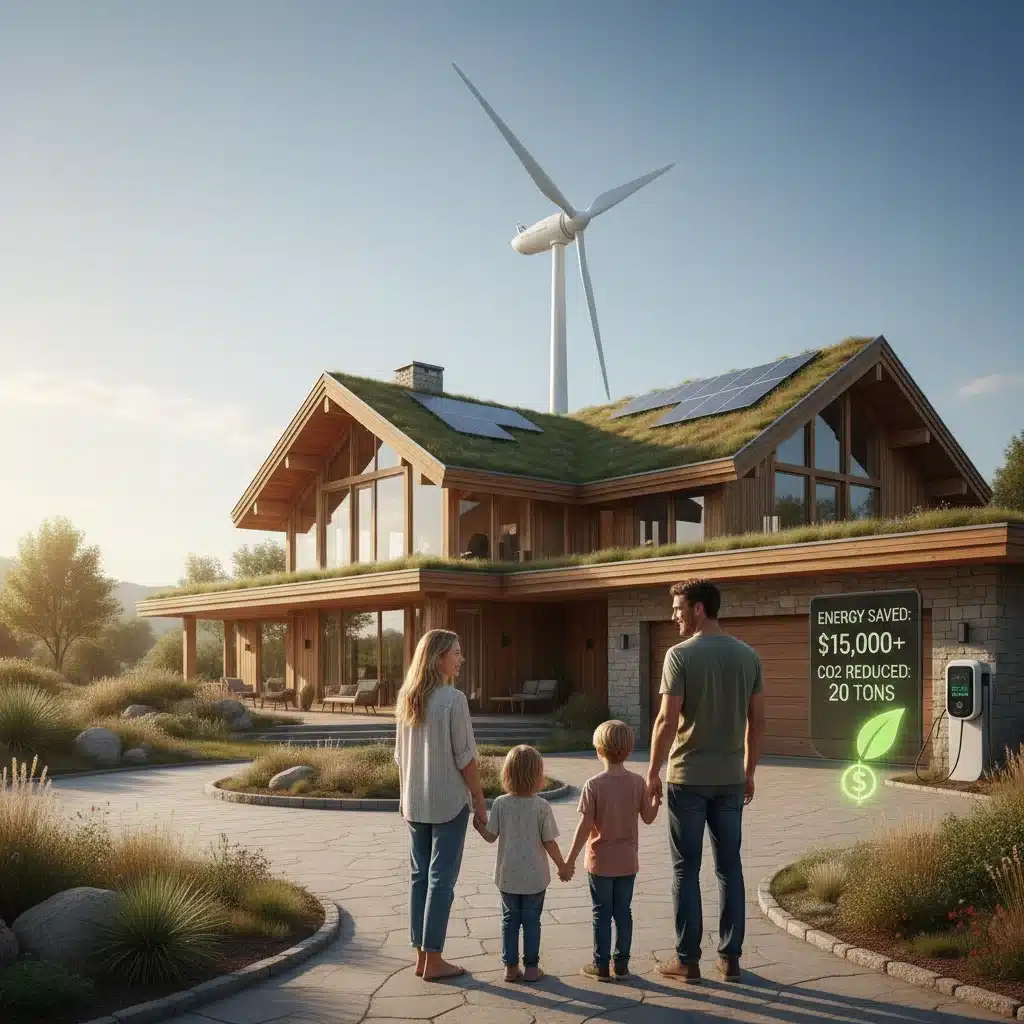
National Energy Policy Shifts for 2026: How New Subsidies Could Save Homeowners Up to $500 Annually
The landscape of energy consumption and production is on the cusp of a significant transformation. As we approach 2026, national energy policy shifts are poised to introduce a wave of new subsidies and incentives designed to promote energy efficiency, encourage renewable energy adoption, and ultimately, lighten the financial burden on homeowners. This comprehensive guide will delve into the anticipated changes, explore their potential financial impact, and provide actionable insights for homeowners looking to capitalize on these forthcoming opportunities. Understanding these critical energy policy shifts is not just about saving money; it’s about contributing to a sustainable future while enhancing your home’s value and comfort.
The Impetus Behind the 2026 Energy Policy Shifts
The drive towards significant national energy policy shifts stems from a confluence of factors: pressing environmental concerns, the escalating costs of traditional energy sources, and a global commitment to reducing carbon emissions. Governments worldwide are recognizing the urgent need to transition away from fossil fuels and embrace cleaner, more sustainable energy alternatives. For many nations, including ours, 2026 marks a pivotal year for implementing more aggressive policies aimed at achieving ambitious climate goals. These policies are not merely aspirational; they are backed by concrete plans for financial incentives, regulatory adjustments, and technological advancements that will directly impact residential energy consumption.
One of the primary goals of these impending energy policy shifts is to democratize access to renewable energy. Historically, the upfront cost of installing solar panels, geothermal systems, or other green technologies has been a significant barrier for many homeowners. The new subsidies are specifically designed to mitigate this barrier, making these technologies more accessible and affordable. Furthermore, there’s a strong emphasis on improving overall energy efficiency in existing homes, recognizing that retrofitting older structures can yield substantial energy savings and reduce the overall demand on the grid. These proactive measures are expected to create a robust framework for a sustainable energy future, with homeowners playing a crucial role in its success.
Understanding the New Subsidies and Incentives for Homeowners
The core of the 2026 national energy policy shifts lies in the new subsidies and incentives that will become available to homeowners. While the exact details may vary by region and specific program, several key areas are expected to receive significant financial support. These include:
1. Renewable Energy Installation Rebates and Tax Credits
Perhaps the most anticipated aspect of the new energy policy shifts is the enhanced support for renewable energy installations. Homeowners considering solar panel systems, wind turbines, or geothermal heating and cooling solutions can expect more generous rebates and tax credits. These incentives are designed to cover a substantial portion of the installation costs, making the return on investment much quicker and more attractive. For instance, a homeowner installing a new solar array might see a direct rebate covering 20-30% of the cost, in addition to federal or state tax credits that further reduce the net expense. This direct financial assistance is a game-changer for many who have previously found these technologies out of reach.
2. Energy Efficiency Upgrades
Beyond renewable energy, the energy policy shifts will also focus heavily on improving the general energy efficiency of homes. This includes subsidies for upgrades such as:
- Insulation and Weatherization: Grants and rebates for improving attic, wall, and floor insulation, as well as sealing air leaks around windows and doors.
- High-Efficiency HVAC Systems: Incentives for replacing old, inefficient heating, ventilation, and air conditioning units with ENERGY STAR® certified models.
- Smart Home Technology: Subsidies for installing smart thermostats, smart lighting, and other energy management systems that optimize energy use.
- Window and Door Replacement: Financial aid for upgrading to energy-efficient windows and doors that significantly reduce heat loss or gain.
These upgrades not only reduce energy consumption but also enhance the comfort and value of your home. The new energy policy shifts recognize that a holistic approach to home energy efficiency is crucial for achieving broader national energy goals.
3. Electric Vehicle (EV) Charging Infrastructure
With the increasing adoption of electric vehicles, the 2026 energy policy shifts are also expected to include provisions for home EV charging infrastructure. Homeowners installing Level 2 chargers may qualify for rebates or tax credits, further incentivizing the shift towards electric transportation and reducing reliance on fossil fuels. This integration of home energy and transportation aligns with a broader vision of a fully electrified and sustainable future.
4. Community Solar Programs
For homeowners who cannot install solar panels on their own roofs due to shading, structural limitations, or rental agreements, community solar programs will likely receive bolstered support. These programs allow individuals to subscribe to a share of a local solar farm and receive credits on their electricity bills, effectively participating in renewable energy generation without direct installation. The national energy policy shifts aim to make clean energy accessible to everyone, regardless of their living situation.
The Financial Impact: Saving Homeowners Up to $500 Annually
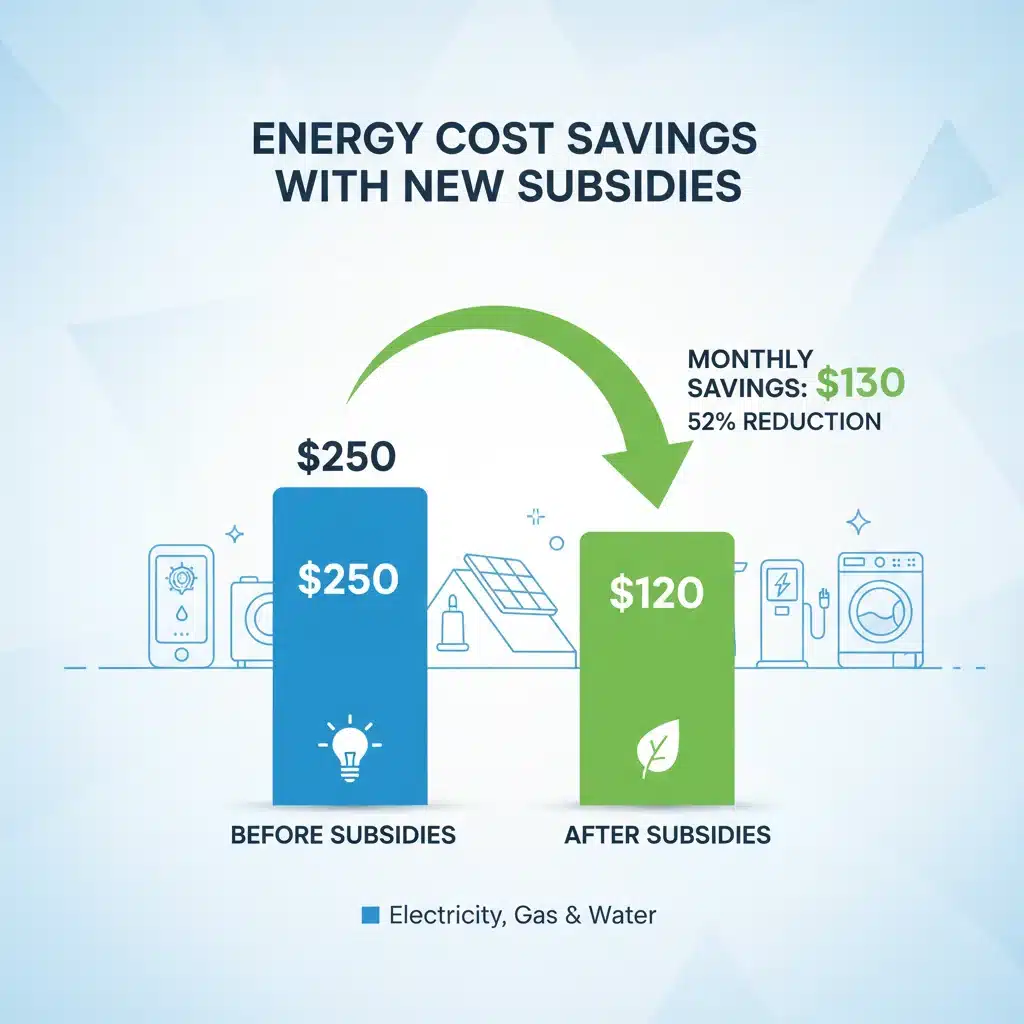
The most compelling aspect of these national energy policy shifts for homeowners is the potential for significant financial savings. While the exact amount will depend on various factors such as location, current energy consumption, and the specific upgrades undertaken, estimates suggest that homeowners could save up to $500 annually. This figure is a conservative estimate and could be even higher for those who undertake multiple major upgrades or live in regions with particularly high energy costs.
These savings come from several avenues:
- Reduced Energy Bills: The most direct impact will be lower monthly electricity and heating bills due to increased energy efficiency and self-generated renewable energy.
- Tax Savings: Federal and state tax credits will directly reduce your tax liability, effectively putting money back into your pocket.
- Rebates and Grants: Direct financial assistance for installation costs reduces the initial outlay, making the investment more manageable.
- Increased Home Value: Energy-efficient homes with renewable energy systems often command higher market values, providing a long-term financial benefit.
- Long-Term Cost Stability: Generating your own energy or significantly reducing reliance on the grid can insulate you from volatile energy price fluctuations.
To put this into perspective, an annual saving of $500 translates to over $40 per month, which can free up significant funds for other household expenses or investments. Over a decade, these savings can accumulate to $5,000 or more, not accounting for potential increases in energy prices. The energy policy shifts are designed to make these savings a tangible reality for millions of households.
Navigating the Application Process and Eligibility
With new national energy policy shifts come new programs, and understanding the application process and eligibility criteria will be crucial for homeowners. While specific details will be released closer to 2026, some general guidelines can be anticipated:
1. Research Local and Federal Programs
It’s important to stay informed about both federal and state-level programs. Often, state and local governments offer complementary incentives that can be stacked with federal subsidies, maximizing your savings. Websites of your state energy office, local utility companies, and federal agencies like the Department of Energy will be key resources.
2. Understand Eligibility Requirements
Eligibility for subsidies often depends on factors such as household income, type of residence, and the specific technology being installed. Some programs might be means-tested, while others are universally available. Be prepared to provide documentation related to your income, property ownership, and energy consumption history.
3. Work with Certified Professionals
Many subsidies and rebates require that installations be performed by certified contractors. This ensures the quality and safety of the work and compliance with program standards. Seek out contractors who are familiar with the new energy policy shifts and can guide you through the application process for relevant incentives.
4. Energy Audits
Consider getting a professional home energy audit. An audit can identify the most impactful energy efficiency upgrades for your specific home, helping you prioritize investments and maximize your savings. Some programs may even offer subsidies for the cost of the audit itself.
5. Plan Ahead
Given the anticipated popularity of these programs, it’s wise to start planning now. Researching potential upgrades, getting quotes from contractors, and understanding the general framework of the upcoming energy policy shifts can put you in a strong position to act swiftly once the programs are fully rolled out.
Long-Term Benefits Beyond Financial Savings
While the immediate financial benefits of the national energy policy shifts are significant, the long-term advantages extend far beyond your wallet. Embracing these changes contributes to a healthier planet and a more resilient energy infrastructure.
Environmental Impact
By investing in renewable energy and energy efficiency, homeowners directly contribute to reducing greenhouse gas emissions. A collective effort across millions of homes can lead to a substantial decrease in the national carbon footprint, helping to mitigate climate change and preserve natural resources for future generations. The energy policy shifts are a cornerstone of environmental stewardship.
Energy Independence and Security
Reducing reliance on centralized power grids and volatile fossil fuel markets enhances energy independence. For individual homes, this means less susceptibility to power outages and price spikes. On a national level, a diversified energy portfolio makes the entire country more secure and less vulnerable to global energy crises. These energy policy shifts build national resilience.
Job Creation and Economic Growth
The transition to a green economy spurred by these energy policy shifts will create numerous jobs in manufacturing, installation, maintenance, and research and development. This economic stimulus will benefit communities nationwide, fostering innovation and creating new opportunities for skilled workers.
Improved Health and Comfort
Energy-efficient homes are often more comfortable, with consistent temperatures, better air quality, and reduced drafts. Upgrades like improved insulation and efficient HVAC systems can lead to a healthier indoor environment, reducing issues like mold and allergens. The energy policy shifts are not just about energy, but also about enhancing quality of life.
Challenges and Considerations for the 2026 Energy Policy Shifts
While the outlook for the national energy policy shifts is largely positive, it’s important to acknowledge potential challenges and considerations that homeowners might face.
1. Program Complexity and Awareness
The sheer number of potential programs, coupled with varying eligibility criteria, could lead to complexity. It will be crucial for government agencies and local organizations to effectively communicate these opportunities to the public. Homeowners will need to actively seek out information and potentially navigate multiple application processes.
2. Contractor Availability and Quality
A surge in demand for energy efficiency and renewable energy installations could strain the availability of qualified contractors. Homeowners should plan ahead, secure quotes early, and ensure they are working with reputable, certified professionals to avoid scams or substandard work. The success of the energy policy shifts relies on a skilled workforce.
3. Initial Upfront Costs
Despite subsidies, some upgrades may still require a significant upfront investment. Homeowners should assess their financial situation and consider financing options, such as low-interest loans specifically designed for energy efficiency improvements, which may also be part of the broader energy policy shifts.
4. Regional Variations
The impact and availability of subsidies may vary significantly by state and even by local municipality. Homeowners in different regions might experience different levels of financial support and program offerings. It’s essential to research what is specifically available in your area.
5. Grid Modernization
As more homes adopt renewable energy and potentially feed excess power back into the grid, the existing electrical infrastructure will need to adapt. Grid modernization efforts will be a parallel component of the national energy policy shifts, ensuring that the system can handle the increased complexity and bidirectional flow of energy.

Preparing Your Home for the Future of Energy
To maximize your benefits from the 2026 national energy policy shifts, proactive preparation is key. Here’s how you can start getting your home ready:
1. Conduct a Home Energy Audit
As mentioned, a professional energy audit can pinpoint areas where your home is losing energy and recommend the most cost-effective improvements. This is often the first and most crucial step in any energy efficiency journey.
2. Research Potential Upgrades
Familiarize yourself with the various energy-efficient technologies and renewable energy options available. Understand their costs, benefits, and suitability for your home and climate. Consider what improvements would make the most sense for your property, given the anticipated energy policy shifts.
3. Start Small, Think Big
Even before major subsidies kick in, you can begin with smaller, low-cost improvements. Replacing incandescent bulbs with LEDs, sealing drafts, and optimizing thermostat settings can yield immediate savings and build momentum for larger projects. These small steps align with the spirit of the energy policy shifts.
4. Stay Informed
Subscribe to newsletters from energy efficiency organizations, government agencies, and local utility companies. Attend webinars or community meetings that discuss upcoming energy policy shifts and available incentives. Knowledge is power, especially when it comes to maximizing financial benefits.
5. Budget and Plan
Even with subsidies, some investment will likely be required. Start budgeting for potential upgrades now. Explore financing options or consider setting aside funds specifically for these improvements. A well-thought-out financial plan will ensure you can take full advantage of the energy policy shifts.
Conclusion: A Brighter, More Affordable Energy Future
The national energy policy shifts slated for 2026 represent a monumental opportunity for homeowners across the country. With new subsidies and incentives designed to make renewable energy and energy efficiency more accessible and affordable, the potential for annual savings of up to $500 (and potentially more) is a powerful motivator. Beyond the financial benefits, these changes pave the way for a more sustainable, energy-independent, and environmentally responsible future. By understanding the upcoming energy policy shifts, preparing your home, and actively seeking out available programs, you can not only enhance your personal financial well-being but also contribute significantly to a healthier planet. The time to prepare for these transformative changes is now, ensuring you are well-positioned to reap all the rewards of a greener, more efficient home.