US Supply Chain Reshaping: 4 Critical Shifts Expected by Mid-2026

The global landscape of commerce is in perpetual motion, and few sectors exemplify this dynamism as profoundly as the supply chain. For the United States, the past few years have been a crucible, forging a new understanding of vulnerability, efficiency, and strategic imperative. From the unprecedented disruptions of a global pandemic to geopolitical tensions and burgeoning technological advancements, the “business as usual” paradigm has been irrevocably altered. As we hurtle towards mid-2026, the US supply chain is not merely adapting; it’s undergoing a fundamental reshaping, driven by a confluence of economic, technological, and environmental forces. This transformation isn’t a gradual evolution but a series of critical shifts designed to build a more resilient, efficient, and sustainable future.
Understanding these “US supply chain shifts” is not just an academic exercise; it’s a strategic necessity for businesses, policymakers, and consumers alike. The choices made today, and the trends that solidify over the next two years, will define the competitive landscape for decades to come. This article will delve into four pivotal shifts that are already well underway and are expected to solidify their dominance by mid-2026: the accelerating trend of nearshoring and reshoring, the pervasive integration of advanced digitalization, a heightened and actionable focus on sustainability, and the strategic build-out of robust resilience capabilities. Each of these shifts represents a significant departure from previous operating models, promising both challenges and immense opportunities for those prepared to navigate them.
The Ascendance of Nearshoring and Reshoring: Reimagining Geographic Footprints
For decades, the mantra of “globalization” often translated into “offshoring,” with companies chasing the lowest labor costs and most permissive regulatory environments, primarily in Asia. This strategy, while initially yielding significant cost savings, exposed critical vulnerabilities during periods of global instability. The COVID-19 pandemic, with its widespread factory shutdowns, port congestion, and shipping delays, served as a stark, undeniable wake-up call. Suddenly, the hidden costs of extended supply lines – in terms of risk, lead times, and lack of control – far outweighed the perceived benefits of distant manufacturing. This experience has catalyzed one of the most significant “US supply chain shifts”: the accelerated movement towards nearshoring and reshoring.
What is Driving This Shift?
- Risk Mitigation: Reducing geographic distance inherently reduces exposure to geopolitical instability, natural disasters, and unforeseen global events that can cripple far-flung supply chains.
- Improved Lead Times and Responsiveness: Shorter distances mean faster delivery, allowing companies to respond more quickly to market demands, reduce inventory holding costs, and improve customer satisfaction. This agility is crucial in today’s fast-paced consumer environment.
- Enhanced Quality Control: Proximity to manufacturing facilities allows for more direct oversight, enabling better quality control and faster problem resolution.
- Intellectual Property Protection: Manufacturing closer to home, particularly within the US or allied nations, offers greater protection for sensitive intellectual property and proprietary processes.
- Government Incentives and Policy: The US government has recognized the strategic importance of strengthening domestic supply chains, offering incentives and policies to encourage reshoring, particularly in critical sectors like semiconductors, pharmaceuticals, and renewable energy.
- Consumer Preference for “Made in USA”: A growing segment of consumers expresses a preference for domestically produced goods, driven by a desire to support local economies and ensure ethical labor practices.
Impacts and Outlook by Mid-2026
By mid-2026, we expect to see a significant increase in manufacturing capacity within the US, Mexico, and Canada. This shift isn’t about completely abandoning global sourcing but rather about creating a more balanced and diversified portfolio of suppliers. Industries such as automotive, electronics, medical devices, and textiles are leading this charge. Companies are investing heavily in new facilities, automation, and workforce development to support this transition. While labor costs in nearshore locations may be higher than in traditional offshore hubs, the total cost of ownership – factoring in risk, lead times, and quality – often makes nearshoring a more attractive proposition. This will lead to a more regionalized approach to supply chains, fostering stronger economic ties within North America and reducing dependence on single-point failures in distant regions.
Advanced Digitalization and Automation: The Intelligent Supply Chain
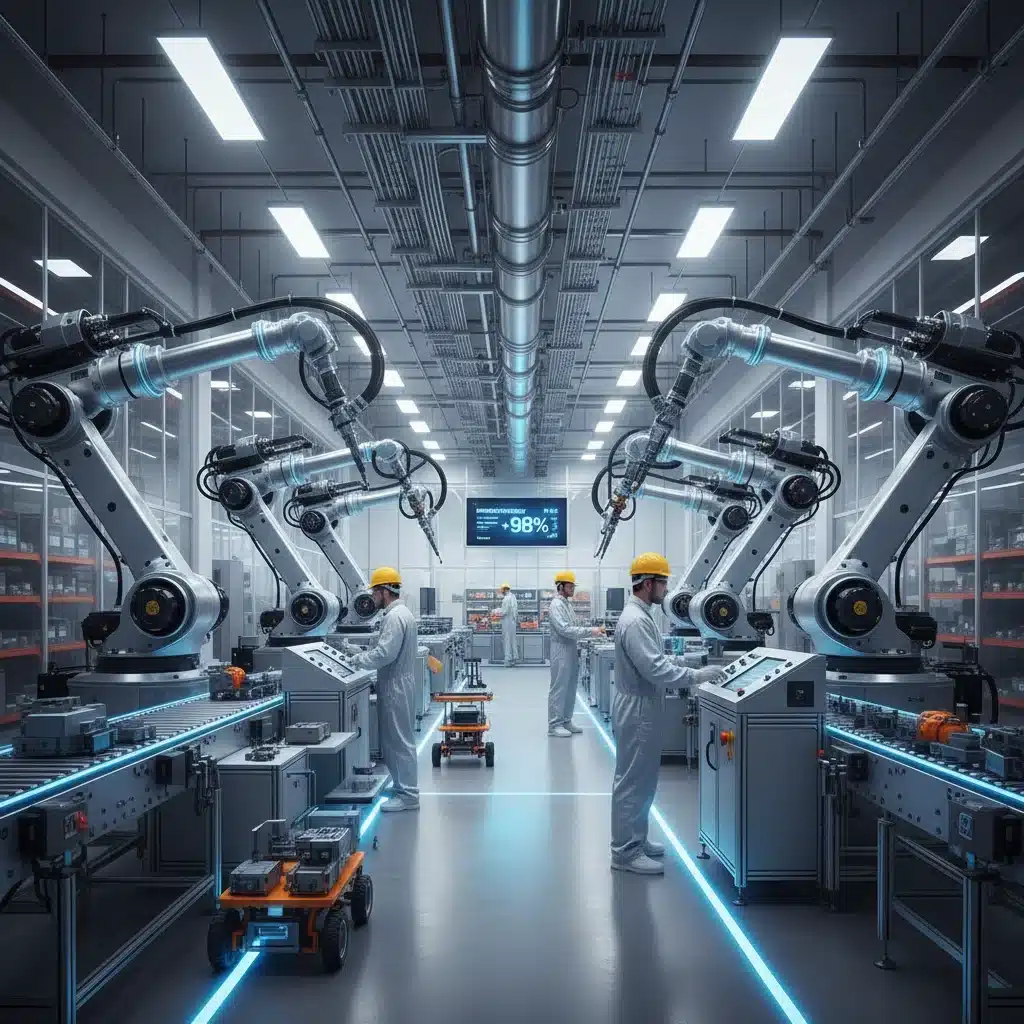
The second major “US supply chain shifts” revolves around the profound integration of advanced digital technologies and automation. While digital tools have been present in logistics for years, the current wave is characterized by an unprecedented level of sophistication, interconnectedness, and intelligence. This isn’t just about tracking packages; it’s about creating a truly intelligent, self-optimizing supply chain capable of real-time decision-making and predictive analytics.
Key Technologies Driving Digitalization
- Artificial Intelligence (AI) and Machine Learning (ML): AI and ML are transforming forecasting, demand planning, inventory management, and route optimization. They can analyze vast datasets to identify patterns, predict disruptions, and recommend optimal actions, far surpassing human capabilities.
- Internet of Things (IoT): IoT devices, from smart sensors on shipping containers to automated warehouse robots, provide real-time visibility into every stage of the supply chain. This data stream allows for precise tracking, condition monitoring, and proactive intervention.
- Blockchain: While still maturing, blockchain technology offers the promise of immutable, transparent, and secure record-keeping across the entire supply chain. This enhances traceability, reduces fraud, and simplifies audits, particularly for complex product origins.
- Robotics and Automation: Beyond the factory floor, robots are increasingly deployed in warehouses for picking, packing, and sorting, significantly boosting efficiency and accuracy while reducing labor costs and physical strain. Automated guided vehicles (AGVs) and autonomous mobile robots (AMRs) are becoming commonplace.
- Digital Twins: Creating virtual replicas of physical supply chain assets, processes, or even entire networks allows for simulation, optimization, and predictive maintenance without impacting real-world operations.
- Cloud Computing: The backbone of these digital transformations, cloud platforms provide the scalable infrastructure and computational power needed to process and analyze the enormous amounts of data generated by an intelligent supply chain.
Impacts and Outlook by Mid-2026
By mid-2026, the US supply chain will be significantly more data-driven and automated. Companies that embrace these technologies will gain a substantial competitive advantage through enhanced efficiency, reduced operational costs, and superior responsiveness. Predictive analytics will move from a niche capability to a standard practice, allowing businesses to anticipate demand fluctuations and potential disruptions with greater accuracy. The human role will shift from manual execution to oversight, strategic planning, and problem-solving, leveraging AI-powered insights. This digitalization will also foster greater collaboration among supply chain partners, as shared data platforms become more prevalent, leading to a more synchronized and optimized ecosystem. The emphasis will be on end-to-end visibility, enabling companies to track products from raw material to final delivery, providing transparency and accountability at every step.
Heightened Focus on Sustainability: Green Supply Chains
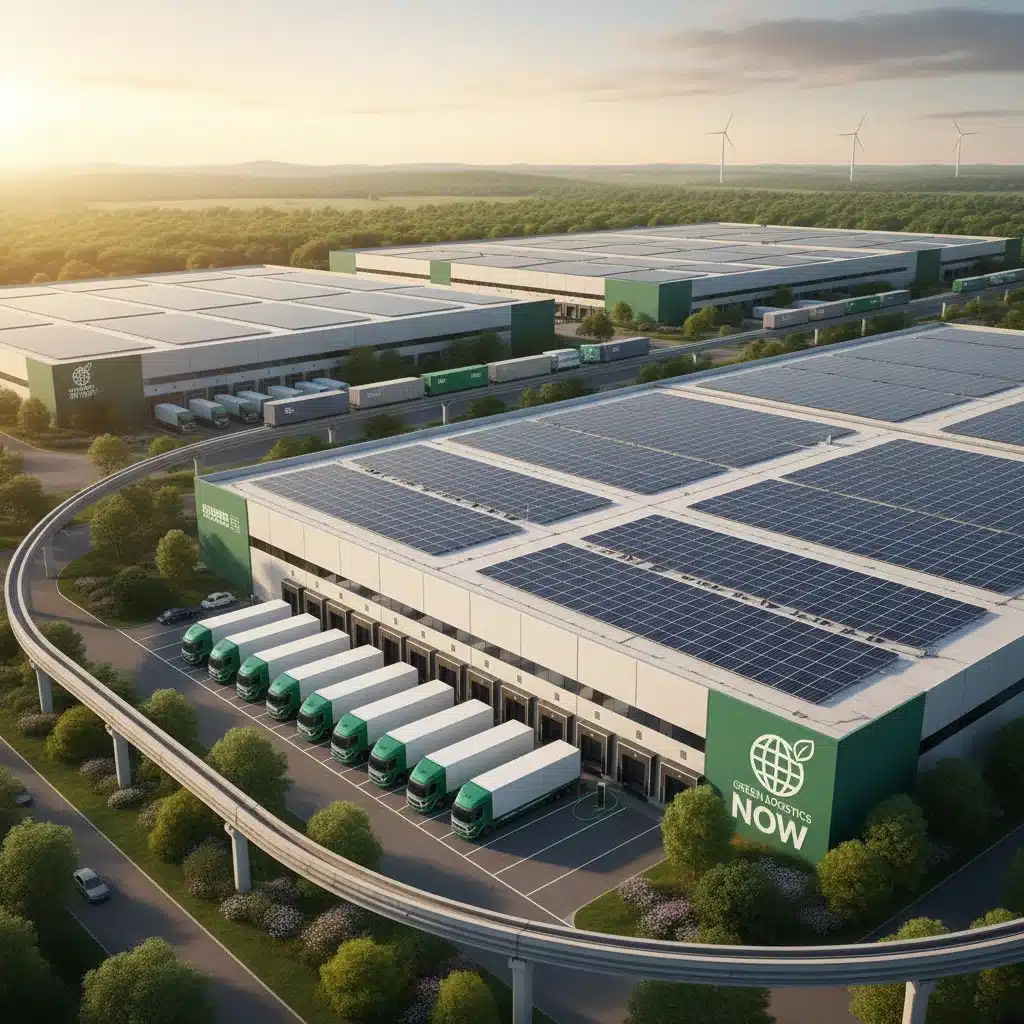
The third critical “US supply chain shifts” is the undeniable and growing imperative for sustainability. What was once considered a “nice-to-have” corporate social responsibility initiative has now become a core strategic pillar, driven by consumer demand, regulatory pressures, and the undeniable realities of climate change. By mid-2026, sustainable practices will be deeply embedded into supply chain design and operations, moving beyond mere compliance to become a source of competitive differentiation and operational efficiency.
Dimensions of Sustainable Supply Chains
- Reduced Carbon Footprint: This includes optimizing transportation routes to minimize fuel consumption, transitioning to electric vehicles (EVs) for last-mile delivery and freight, and investing in renewable energy sources for warehouses and manufacturing facilities.
- Circular Economy Principles: Moving away from a linear “take-make-dispose” model towards one that emphasizes reducing waste, reusing materials, and recycling products. This involves designing products for longevity and recyclability, implementing robust reverse logistics, and partnering with recycling infrastructure providers.
- Ethical Sourcing and Labor Practices: Ensuring that raw materials are sourced responsibly, without exploiting labor or damaging ecosystems. This requires rigorous supplier auditing, transparent reporting, and adherence to international labor standards.
- Waste Reduction: Minimizing waste across all stages of the supply chain, from packaging optimization to reducing spoilage and obsolescence. This often involves leveraging data analytics to improve inventory accuracy and demand forecasting.
- Water Conservation: Implementing practices to reduce water usage in manufacturing processes and other operational areas.
Impacts and Outlook by Mid-2026
By mid-2026, companies will face increasing pressure from stakeholders – including investors, consumers, and regulators – to demonstrate tangible progress on sustainability goals. This will necessitate greater transparency in reporting environmental, social, and governance (ESG) metrics related to their supply chains. Supply chain managers will need to incorporate sustainability considerations into every decision, from supplier selection to logistics network design. Expect to see widespread adoption of eco-friendly packaging, a significant increase in the use of alternative fuels for transportation, and greater investment in green infrastructure. Companies that fail to adapt will risk reputational damage, regulatory fines, and loss of market share. Conversely, those that excel in building green supply chains will attract environmentally conscious consumers and investors, gaining a significant competitive edge. The emphasis will be on measurable impact and verifiable claims, moving away from “greenwashing” towards genuine environmental stewardship.
Building Robust Resilience: Preparing for the Unexpected
Perhaps the most profound lesson learned from recent global events is the critical need for resilience within the supply chain. The fourth major “US supply chain shifts” is the strategic pivot from optimizing for pure cost efficiency to building inherent robustness and adaptability. By mid-2026, companies will have moved beyond merely reacting to disruptions and will have invested heavily in proactive strategies to anticipate, absorb, and recover from unforeseen events with minimal impact.
Pillars of Supply Chain Resilience
- Diversification of Suppliers: Moving away from single-source reliance to multiple suppliers across different geographic regions. This reduces the risk of a localized disruption crippling an entire production line.
- Buffer Stock and Strategic Inventory: While lean inventory strategies have been popular for cost savings, companies are now reassessing the optimal balance between cost and risk. Strategic buffer stocks of critical components or finished goods are being built to weather short-term disruptions.
- Scenario Planning and Stress Testing: Regularly conducting simulations of various disruption scenarios (e.g., natural disasters, cyberattacks, geopolitical conflicts) to identify vulnerabilities and develop contingency plans.
- Enhanced Visibility and Data Sharing: Leveraging digital tools to gain real-time, end-to-end visibility across the supply chain, enabling early detection of potential disruptions and faster response times. Collaborative data sharing with partners is key.
- Agile Logistics Networks: Designing flexible logistics networks that can quickly re-route shipments, utilize alternative transportation modes, or shift production to different facilities in response to disruptions.
- Cybersecurity Fortification: Recognizing that digital supply chains are vulnerable to cyberattacks, companies are investing in robust cybersecurity measures to protect data, systems, and operational technology.
- Talent Development: Investing in a skilled workforce capable of managing complex, digital, and resilient supply chains, including expertise in data analytics, risk management, and international logistics.
Impacts and Outlook by Mid-2026
By mid-2026, resilience will be a non-negotiable feature of successful US supply chains. Businesses will have moved towards a “risk-aware” rather than purely “cost-driven” mindset. This means investing in redundancy, building stronger relationships with a diversified supplier base, and having well-rehearsed contingency plans. The focus will be on creating “anti-fragile” supply chains that not only withstand shocks but can actually improve and adapt in their wake. This will involve significant capital investment in infrastructure, technology, and human capital. Companies that prioritize resilience will be better positioned to maintain business continuity, protect their brand reputation, and capitalize on opportunities that arise during periods of market instability. The ability to pivot quickly and effectively will be a key differentiator.
Conclusion: Navigating the Future of US Supply Chains
The period leading up to mid-2026 marks a transformative era for the US supply chain. The four critical “US supply chain shifts” – nearshoring/reshoring, advanced digitalization, heightened sustainability, and robust resilience – are not isolated trends but interconnected forces shaping a new paradigm. Businesses that embrace these changes proactively will not only survive but thrive in the evolving global marketplace. Nearshoring offers greater control and reduced lead times, while digitalization provides the intelligence and efficiency needed to optimize complex networks. Sustainability addresses growing ethical and environmental demands, and resilience ensures continuity in an unpredictable world. The interplay of these forces will create a supply chain that is not only more robust and efficient but also more ethical and environmentally conscious.
For leaders and practitioners in supply chain management, the challenge – and the opportunity – lies in strategically integrating these shifts into their core operations. This requires a holistic approach, significant investment in technology and talent, and a willingness to rethink long-held assumptions about global sourcing and logistics. The future of the US supply chain is one of strategic autonomy, technological prowess, environmental responsibility, and unwavering adaptability. By understanding and actively participating in these profound transformations, stakeholders can ensure a more secure, prosperous, and sustainable future for American commerce.
The journey to mid-2026 is an exciting one, full of innovation and strategic recalibration. The businesses that master these “US supply chain shifts” will be the ones that lead the way in the next chapter of global trade, demonstrating that efficiency and resilience can, and must, go hand in hand.