The 2026 US Economic Outlook: 5 Key Sectors Poised for Growth
As we navigate the complexities of a rapidly evolving global landscape, understanding the future trajectory of the United States economy becomes paramount for businesses, investors, and policymakers alike. The US Economic Outlook 2026 presents a fascinating picture of resilience, innovation, and strategic shifts. While predictions are inherently uncertain, careful analysis of current trends and foundational strengths allows us to identify key sectors that are not just recovering but are poised for significant growth and transformation in the coming years. This comprehensive article delves into the anticipated economic environment of 2026, pinpointing five crucial sectors that are expected to be at the forefront of this expansion.
The US economy, a titan on the global stage, has consistently demonstrated its capacity for adaptation and resurgence. Following periods of unprecedented challenges, from global pandemics to geopolitical shifts, the underlying dynamism of American enterprise continues to drive progress. For the US Economic Outlook 2026, we anticipate a period characterized by sustained technological advancements, a renewed focus on domestic production, and an accelerating transition towards a more sustainable future. These foundational elements will not only shape the overall economic landscape but will also create fertile ground for specific industries to flourish.
Understanding the Macroeconomic Context for the 2026 US Economic Outlook
Before we pinpoint the high-growth sectors, it’s essential to establish the broader macroeconomic context for the US Economic Outlook 2026. Several factors will likely define this period:
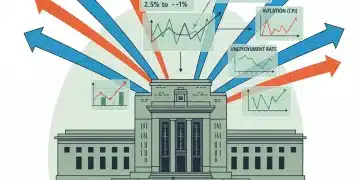
- Inflationary Pressures and Monetary Policy: While inflation has been a significant concern, by 2026, we expect a more stabilized, albeit potentially higher than pre-pandemic, inflation rate. The Federal Reserve’s monetary policy will continue to play a crucial role, balancing growth with price stability. Interest rates may remain elevated compared to the ultra-low rates of the past decade, influencing investment decisions and consumer spending.
- Labor Market Dynamics: The labor market is projected to remain robust, though potentially with continued shifts in demand for skills. Automation and AI integration will likely reshape job roles, creating new opportunities while requiring workforce reskilling. Wage growth, while moderating from recent highs, will still be a factor in consumer purchasing power.
- Global Trade and Geopolitics: The global trade environment will continue to be influenced by geopolitical tensions and efforts to diversify supply chains. The US will likely strengthen trade relationships with allies and focus on strategic industries, impacting exports and imports.
- Technological Innovation as a Catalyst: Innovation, particularly in artificial intelligence, biotechnology, and advanced computing, will be a primary driver of productivity gains and economic expansion. These technological advancements will permeate nearly every sector, creating efficiencies and new markets.
- Government Spending and Infrastructure: Ongoing government investments in infrastructure, clean energy, and R&D will provide a significant fiscal stimulus, creating jobs and fostering long-term economic capabilities.
These macroeconomic undercurrents form the backdrop against which specific sectors will either thrive or face headwinds. Our focus for the US Economic Outlook 2026 is on those industries best positioned to capitalize on these trends.
Sector 1: Renewable Energy and Green Technologies
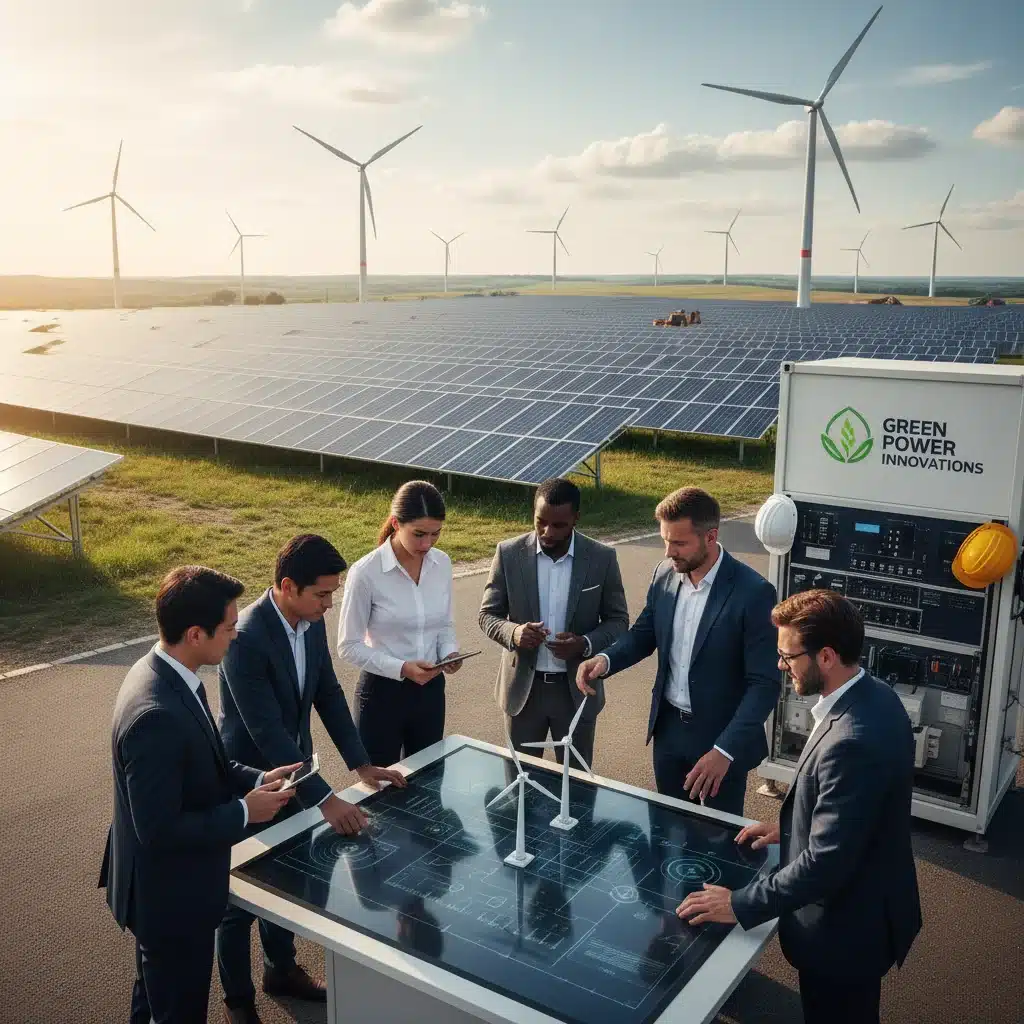
The transition to a sustainable economy is not just an environmental imperative; it’s a monumental economic opportunity. For the US Economic Outlook 2026, the renewable energy and green technologies sector is set to experience explosive growth. Driven by government incentives, decreasing costs of renewable technologies, and increasing consumer and corporate demand for sustainable solutions, this sector encompasses a wide array of industries.
Key Growth Areas within Renewable Energy:
- Solar and Wind Power: Continued advancements in efficiency and storage, coupled with supportive policies, will see these sources significantly increase their share in the national energy grid. Investment in large-scale solar farms and offshore wind projects will surge.
- Battery Storage and Grid Modernization: The intermittency of renewables necessitates robust energy storage solutions. Innovations in battery technology (lithium-ion, solid-state, flow batteries) and smart grid infrastructure will be critical. Companies developing these solutions will see substantial demand.
- Electric Vehicles (EVs) and Charging Infrastructure: The accelerating adoption of EVs, both for personal and commercial use, will drive demand not only for vehicle manufacturing but also for the extensive charging network required to support them. This includes home chargers, public fast chargers, and fleet charging solutions.
- Hydrogen Economy: While still in earlier stages, green hydrogen production and its applications in heavy industry, transportation, and energy storage are expected to gain significant traction, attracting substantial R&D and investment.
- Carbon Capture and Storage (CCS): As industries strive to decarbonize, CCS technologies will become increasingly vital, offering solutions for hard-to-abate emissions from industrial processes.
The renewable energy sector is not only about energy production; it also encompasses the entire value chain, from raw material extraction and processing to manufacturing components, installation, maintenance, and recycling. This holistic growth makes it a cornerstone of the US Economic Outlook 2026.
Sector 2: Artificial Intelligence and Advanced Computing
Artificial Intelligence (AI) is no longer a futuristic concept; it’s a present-day reality rapidly transforming every facet of business and daily life. For the US Economic Outlook 2026, AI and advanced computing will serve as a fundamental engine of productivity and innovation across all industries.
Transformative Sub-sectors:
- Generative AI and Large Language Models (LLMs): The capabilities of generative AI are expanding exponentially, impacting content creation, software development, customer service, and scientific research. Companies specializing in AI model development, deployment, and integration will be highly valued.
- AI in Healthcare and Biotech: AI is revolutionizing drug discovery, personalized medicine, diagnostics, and operational efficiency in healthcare. From analyzing vast datasets for disease patterns to assisting in robotic surgery, AI’s applications are boundless.
- Autonomous Systems: Beyond self-driving cars, autonomous systems are finding applications in logistics (drones, autonomous robots in warehouses), agriculture (precision farming), and defense. The development and deployment of these systems will be a significant growth area.
- Cybersecurity with AI: As AI becomes more pervasive, so does the need for robust cybersecurity. AI-powered security solutions that can detect and respond to threats in real-time will be critical for protecting digital infrastructure.
The pervasive nature of AI means that its growth isn’t confined to a single industry; rather, it acts as a force multiplier, enhancing capabilities and creating new opportunities across the entire economic spectrum. This makes AI a pivotal component of the US Economic Outlook 2026.
Sector 3: Advanced Manufacturing and Supply Chain Resilience
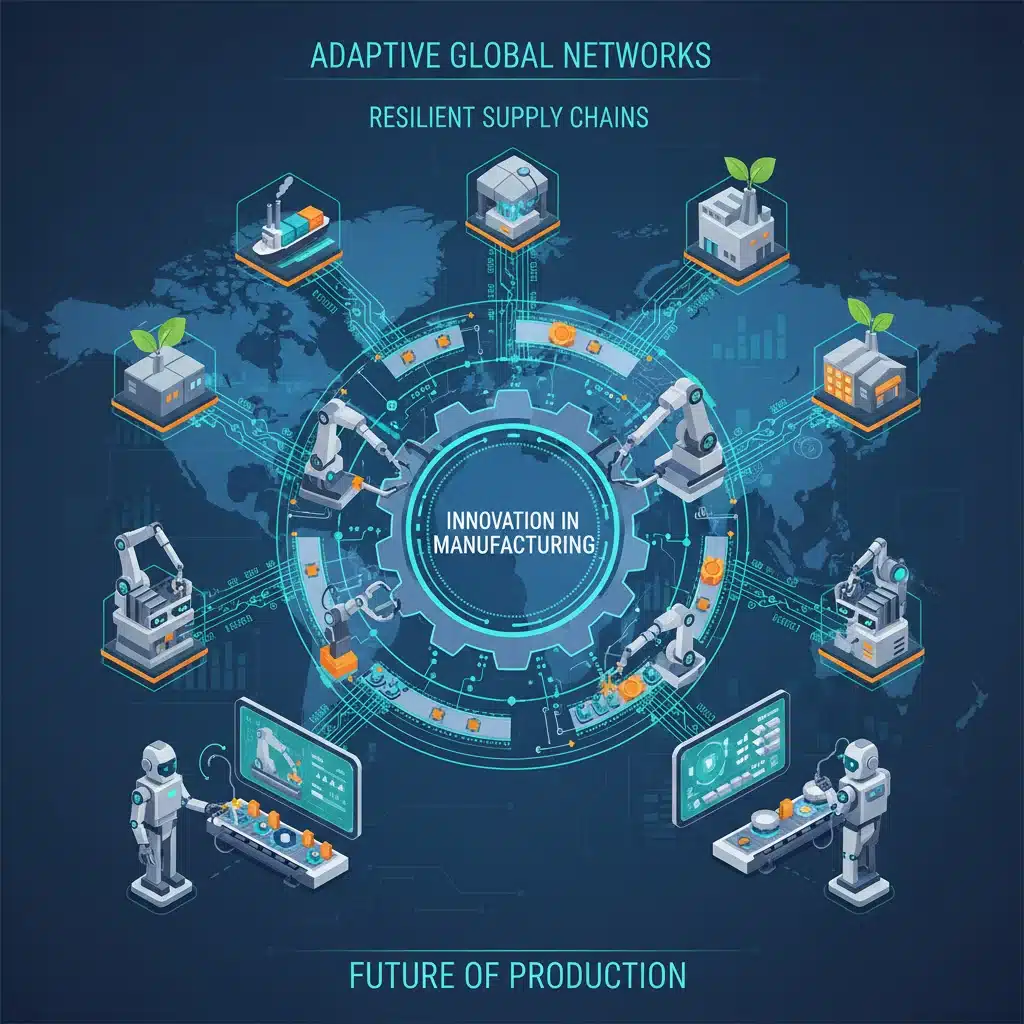
The vulnerabilities exposed by recent global events have underscored the critical importance of robust and resilient supply chains. This has led to a renewed focus on advanced manufacturing and nearshoring/reshoring initiatives within the US, making it a key growth driver for the US Economic Outlook 2026.
Driving Forces in Manufacturing:
- Automation and Robotics: Increased adoption of robotics, cobots (collaborative robots), and automated systems will enhance manufacturing efficiency, reduce labor costs, and improve product quality. This trend is vital for competing globally.
- Additive Manufacturing (3D Printing): Industrial-scale 3D printing is moving beyond prototyping to mass production of complex parts across various industries, including aerospace, medical devices, and automotive. This enables customized production and reduced waste.
- Digitization of Supply Chains: Technologies like IoT (Internet of Things), blockchain, and AI are being used to create smart, transparent, and agile supply chains. This allows for real-time tracking, predictive analytics for demand and disruptions, and optimized logistics.
- Semiconductor Manufacturing: Driven by national security concerns and economic competitiveness, significant investments are being made to boost domestic semiconductor production capabilities, reducing reliance on overseas fabs.
- Skilled Workforce Development: To support advanced manufacturing, there will be a strong emphasis on developing a skilled workforce capable of operating and maintaining sophisticated machinery and digital systems.
Rebuilding and modernizing the US manufacturing base not only creates jobs but also strengthens national security and economic independence. This strategic imperative positions advanced manufacturing as a critical pillar of the US Economic Outlook 2026.
Sector 4: Healthcare Innovation and Biotechnology
The healthcare sector is in a perpetual state of evolution, driven by scientific breakthroughs, an aging population, and the ongoing demand for improved health outcomes. For the US Economic Outlook 2026, healthcare innovation and biotechnology will be a powerhouse of growth, characterized by personalized medicine, digital health, and novel therapeutic approaches.
Key Areas of Advancement:
- Biologics and Gene Therapies: Research and development in gene editing (e.g., CRISPR), cell therapies, and mRNA-based treatments are accelerating. These innovative therapies hold the promise of treating previously incurable diseases and will attract massive investment.
- Personalized Medicine and Diagnostics: Advances in genomics, proteomics, and AI are enabling more precise diagnostics and tailored treatment plans based on an individual’s genetic makeup and disease profile. This includes companion diagnostics and targeted drug delivery.
- Digital Health and Telemedicine: The pandemic significantly accelerated the adoption of telemedicine, remote patient monitoring, and digital health platforms. This trend is expected to continue, improving access to care and efficiency.
- Medical Devices and Wearables: Innovations in medical devices, from sophisticated surgical robots to advanced prosthetics and health-monitoring wearables, will continue to enhance patient care and quality of life.
- Mental Health and Wellness Technologies: With increasing awareness and demand, technology-driven solutions for mental health support, stress management, and overall wellness will see substantial growth.
The convergence of biology, data science, and engineering is creating unprecedented opportunities in healthcare, making it a consistently robust and expanding sector within the US Economic Outlook 2026.
Sector 5: Digital Infrastructure and Cybersecurity
In an increasingly interconnected world, robust and secure digital infrastructure is no longer a luxury but a fundamental necessity. The expansion of 5G, the proliferation of the Internet of Things (IoT), and the escalating threat of cyberattacks make digital infrastructure and cybersecurity critical components of the US Economic Outlook 2026.
Growth Drivers in Digital Infrastructure:
- 5G and Next-Generation Connectivity: The rollout of 5G networks will continue, enabling faster speeds, lower latency, and greater capacity, which are essential for supporting IoT, AI, and cloud computing. Research into 6G is also underway.
- Cloud Computing and Edge Computing: Demand for cloud services (IaaS, PaaS, SaaS) will remain strong, with a growing emphasis on hybrid cloud solutions. Edge computing, which processes data closer to its source, will become increasingly important for real-time applications and reducing bandwidth strain.
- Data Centers: The explosion of data generated by AI, IoT, and digital services necessitates massive investment in new, energy-efficient data centers.
- Cybersecurity Solutions: As cyber threats become more sophisticated, businesses and governments will continue to pour resources into advanced cybersecurity measures. This includes AI-driven threat detection, zero-trust architectures, identity and access management, and data privacy solutions.
- Quantum Computing (Long-term Potential): While still nascent, quantum computing research and development will attract significant investment, with long-term potential to revolutionize cryptography, materials science, and drug discovery.
The digital backbone of the economy requires constant upgrades and protection. This sustained need ensures that digital infrastructure and cybersecurity will be a high-growth sector, integral to the overall US Economic Outlook 2026.
Cross-Cutting Themes and Synergies for the US Economic Outlook 2026
It’s important to recognize that these five sectors are not operating in isolation. There are significant synergies and cross-cutting themes that will amplify their individual growth and collectively shape the US Economic Outlook 2026:
- Data as the New Oil: The exponential growth of data across all these sectors will fuel AI, enable personalized healthcare, optimize manufacturing, and enhance cybersecurity. Effective data management, analytics, and privacy will be critical.
- Sustainability and ESG: Environmental, Social, and Governance (ESG) considerations will continue to influence investment decisions and corporate strategies across all sectors. Companies demonstrating strong ESG performance are likely to attract more capital and talent.
- Talent and Education: The demand for skilled workers in STEM fields will intensify. Educational institutions and corporate training programs will need to adapt rapidly to equip the workforce with the necessary skills for these evolving industries.
- Regulatory Environment: Government policies and regulations will play a significant role in fostering or hindering growth in these sectors. Supportive policies for R&D, infrastructure, and competition will be crucial.
- Global Competition: While the US economy is robust, it operates in a competitive global environment. Innovation and efficiency will be key to maintaining leadership in these high-growth areas.
The interplay between these themes will create a dynamic economic environment where innovation in one sector can rapidly spill over and benefit others. For instance, advanced AI in healthcare relies heavily on robust digital infrastructure and cybersecurity, while the manufacturing of renewable energy components benefits from automation and resilient supply chains.
Investment Implications for the US Economic Outlook 2026
For investors looking ahead to the US Economic Outlook 2026, these five sectors present compelling opportunities. Diversification across these high-growth areas, with a focus on companies that demonstrate strong innovation, sound financial management, and adaptable business models, could yield significant returns. It’s also crucial to consider the long-term trends rather than short-term market fluctuations.
- Venture Capital and Private Equity: These avenues will likely see continued strong interest in startups and growth-stage companies within AI, biotech, and green tech.
- Public Markets: Established companies and emerging leaders in these sectors on public exchanges will attract significant investor attention.
- Infrastructure Bonds and Funds: Investments in renewable energy projects, grid modernization, and digital infrastructure will likely be supported by government initiatives and offer stable returns.
- Thematic ETFs: Exchange-Traded Funds (ETFs) focused on specific themes like AI, clean energy, or cybersecurity can provide diversified exposure to these growth sectors.
However, as with any investment, due diligence is paramount. Understanding the specific risks, competitive landscapes, and regulatory hurdles within each sub-sector will be key to making informed decisions. The US Economic Outlook 2026, while promising, will still present its share of challenges and require careful navigation.
Challenges and Risks to the 2026 US Economic Outlook
No economic forecast is without its caveats. While the US Economic Outlook 2026 appears generally positive for these sectors, several challenges and risks could impact the trajectory:
- Geopolitical Instability: Unforeseen global conflicts or significant shifts in international relations could disrupt supply chains, energy markets, and trade flows.
- Inflationary Resurgence: Persistent inflationary pressures, perhaps due to commodity price shocks or wage-price spirals, could force central banks to maintain tighter monetary policies, slowing economic activity.
- Regulatory Overreach: While regulation is necessary, overly burdensome or poorly designed regulations could stifle innovation and investment in emerging technologies.
- Cybersecurity Threats: A major cyberattack on critical infrastructure or a widespread data breach could have significant economic repercussions, eroding trust and causing disruptions.
- Talent Shortages: A persistent mismatch between the skills demanded by these high-growth sectors and the available workforce could limit expansion.
- Technological Bubbles: Rapid investment in emerging technologies, particularly AI, carries the risk of speculative bubbles if valuations outpace fundamental growth and profitability.
Mitigating these risks will require proactive policymaking, robust corporate governance, and continuous innovation. The ability to adapt to unexpected challenges will be a defining characteristic of successful enterprises and a resilient economy in 2026.
Conclusion: A Dynamic Future for the US Economy
The US Economic Outlook 2026 paints a picture of a dynamic and evolving economy, driven by technological innovation and a strategic shift towards sustainability and resilience. The renewable energy, artificial intelligence, advanced manufacturing, healthcare innovation, and digital infrastructure/cybersecurity sectors are not just trending; they represent fundamental shifts in how we produce, consume, and live.
These five sectors are poised to be the primary engines of job creation, capital investment, and technological advancement. Their interconnectedness means that growth in one area often catalyzes growth in another, creating a powerful synergistic effect. While challenges and uncertainties will undoubtedly arise, the underlying strengths of the US economy – its innovative spirit, robust capital markets, and adaptable workforce – position it well to navigate these complexities and achieve sustained growth.
For businesses and investors, understanding these trends is crucial for strategic planning and capitalizing on future opportunities. The US Economic Outlook 2026 is not just a forecast; it’s a roadmap to the next phase of American economic leadership and prosperity.