The Future of US-China Relations in 2026: A Deep Dive into Economic and Diplomatic Challenges
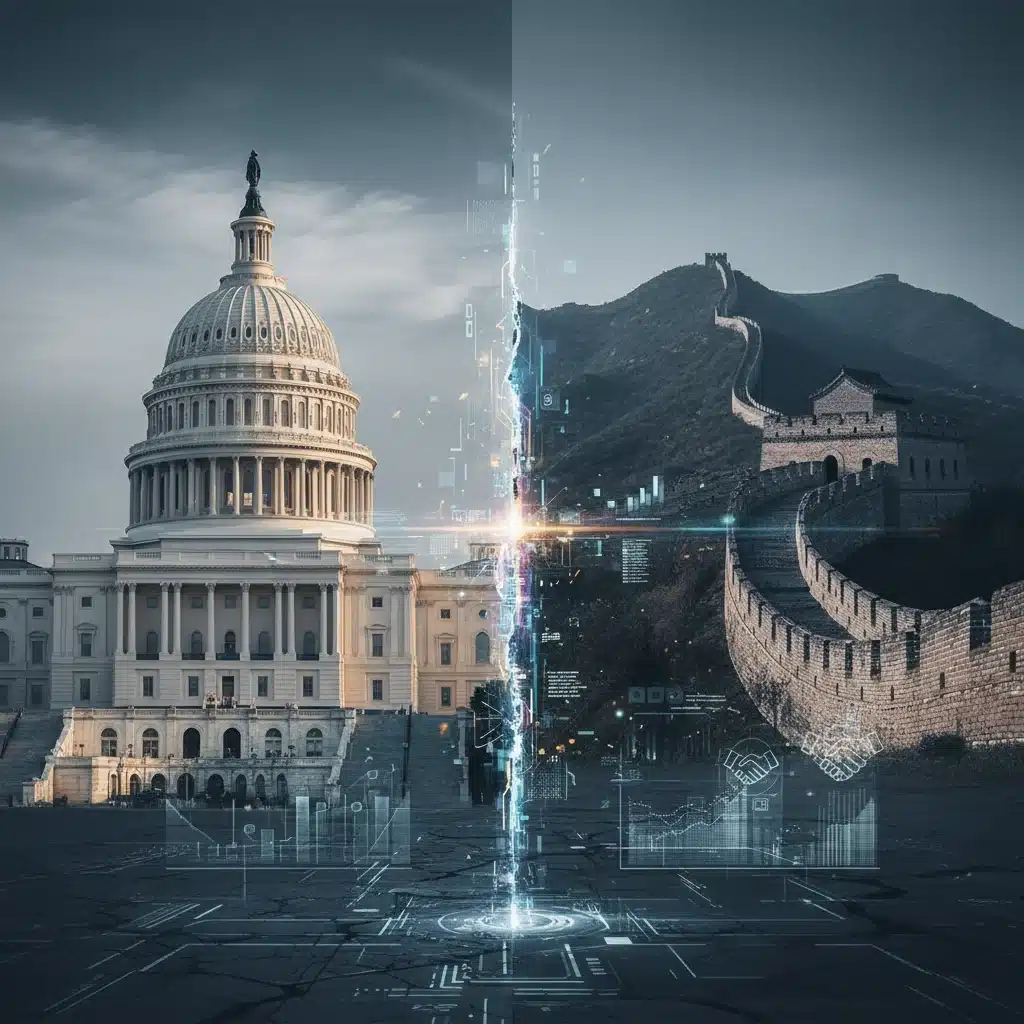
As we navigate the mid-2020s, the trajectory of US-China Relations 2026 remains one of the most critical and complex geopolitical questions of our time. The dynamic between these two global behemoths shapes not only their respective futures but also the stability and prosperity of the entire international system. From economic interdependence to technological competition, and from diplomatic posturing to military modernization, every facet of this relationship is under intense scrutiny. Understanding the potential pathways and pitfalls requires a nuanced examination of current trends and foreseeable challenges. This article will delve into the multifaceted nature of US-China Relations 2026, exploring the key economic, technological, diplomatic, and geopolitical factors that will define this crucial period.
Economic Interdependence and Decoupling: A Precarious Balance
The economic relationship between the United States and China has historically been characterized by deep interdependence. China has long served as a manufacturing hub for American companies and a significant market for US goods and services, while the US has been a primary consumer of Chinese exports. However, the past few years have seen an accelerating trend towards ‘decoupling’ or ‘de-risking,’ driven by national security concerns, supply chain vulnerabilities exposed during the pandemic, and a desire to reduce reliance on a single nation for critical goods. By 2026, this trend is expected to intensify, though complete decoupling remains highly improbable due to the sheer scale of their intertwined economies.
Trade Dynamics and Tariffs
In 2026, we can anticipate a continuation, and possibly an escalation, of targeted tariffs and trade restrictions. While a full-blown trade war on the scale of 2018-2019 might be avoided due to the mutual economic damage it inflicts, both nations will likely employ strategic tariffs to protect domestic industries and exert leverage. The focus will shift from broad-based tariffs to more sector-specific measures, particularly in advanced manufacturing, renewable energy, and critical minerals. The goal for the US will be to reshore or ‘friendshore’ supply chains, reducing dependence on China for essential components. Conversely, China will continue its drive for technological self-sufficiency and domestic consumption to insulate its economy from external pressures. The implications for global trade flows and international supply chain management will be significant, potentially leading to a more fragmented global economy.
Investment Flows and Financial Markets
Foreign direct investment (FDI) between the two countries has already seen a decline, and this trend is likely to persist. US restrictions on outbound investment in sensitive Chinese technology sectors, coupled with China’s own tightening of foreign investment regulations, will further reshape investment landscapes. However, the financial markets remain deeply interconnected. US institutional investors hold substantial stakes in Chinese companies, and vice versa. Any significant disruption to these financial ties could send shockwaves through global markets. The development of China’s digital yuan and its potential role in international transactions could also introduce new complexities to the financial aspects of US-China Relations 2026, challenging the dominance of the US dollar in certain spheres.
The Race for Technological Supremacy: AI, Semiconductors, and Beyond
Perhaps the most defining characteristic of US-China Relations 2026 will be the intense competition for technological supremacy. This is not merely an economic rivalry but a fundamental struggle for future global leadership, encompassing military capabilities, economic productivity, and societal control. The battlegrounds are well-defined: artificial intelligence (AI), semiconductors, quantum computing, biotechnology, and 5G/6G telecommunications.
Semiconductor Wars and Export Controls
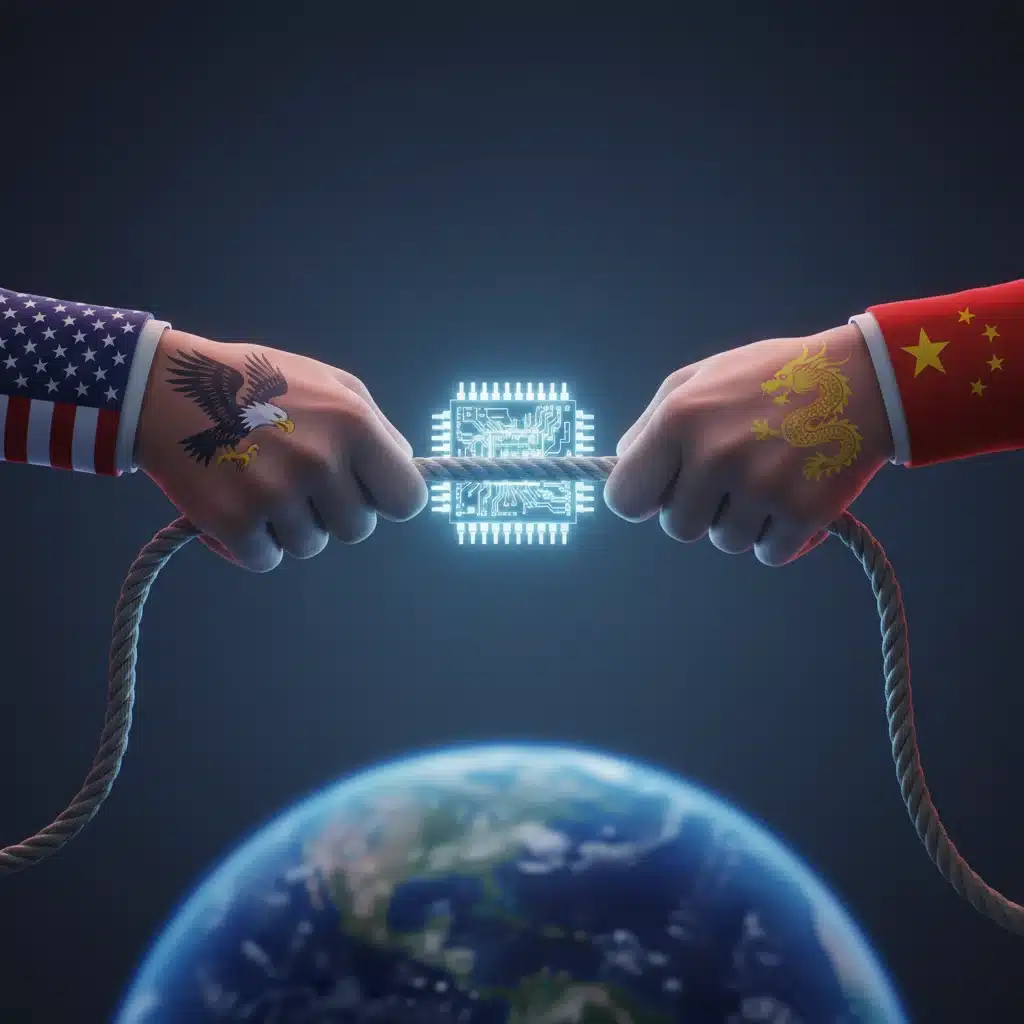
The semiconductor industry is at the heart of this technological contest. The US has implemented stringent export controls on advanced semiconductor technology and manufacturing equipment to China, aiming to hobble China’s progress in developing cutting-edge chips. By 2026, these controls are expected to be refined and potentially expanded, creating significant pressure on China’s domestic chip industry. While these measures may slow China’s technological advancement in the short term, they also incentivize Beijing to redouble its efforts in indigenous innovation and self-sufficiency. This could lead to a bifurcated global technology ecosystem, with distinct supply chains and standards for different regions, impacting everything from consumer electronics to defense systems.
AI and Data Governance
Artificial intelligence is another critical domain. Both the US and China view AI as transformative for economic growth, military applications, and national security. The competition extends beyond developing advanced algorithms to establishing global norms and standards for AI governance. Differences in ethical approaches, data privacy, and surveillance implications will likely lead to divergent regulatory frameworks. By 2026, we might see intensified efforts from both sides to influence international bodies and shape the future of AI development and deployment, with significant implications for data flows and digital sovereignty across the globe. The race to attract and retain top AI talent will also be a key indicator of success in this area.
Diplomatic Maneuvering and Geopolitical Flashpoints
Beyond economics and technology, the diplomatic and geopolitical dimensions of US-China Relations 2026 will be equally volatile. Points of contention range from Taiwan’s sovereignty to human rights, and from maritime disputes in the South China Sea to influence in international organizations.
Taiwan: The Central Flashpoint
Taiwan remains the most potent flashpoint in US-China relations. China views Taiwan as an integral part of its territory and has not ruled out the use of force to achieve unification. The US, while adhering to its ‘One China’ policy, has also committed to assisting Taiwan in its self-defense, leading to a delicate strategic ambiguity. By 2026, the rhetoric surrounding Taiwan is likely to remain elevated, and any perceived shift in the status quo by either side could trigger a severe crisis. Military exercises, diplomatic protests, and economic pressures will be common tools employed by both Beijing and Washington to assert their positions, making Taiwan a critical barometer for the overall health of the relationship.
South China Sea and Regional Alliances
The South China Sea continues to be a region of significant geopolitical tension. China’s expansive territorial claims and militarization of artificial islands are challenged by several Southeast Asian nations and opposed by the US, which advocates for freedom of navigation. In 2026, we can expect continued naval patrols and diplomatic skirmishes in the region. The US will likely strengthen its alliances with regional partners like Japan, South Korea, Australia, and the Philippines, as well as initiatives like the Quad (Quadrilateral Security Dialogue), to counterbalance China’s growing influence. China, in turn, will seek to deepen its ties with countries through economic initiatives like the Belt and Road Initiative (BRI) and bilateral security agreements, further solidifying its regional presence.
Human Rights and Values Clash
Disagreements over human rights, particularly concerning Xinjiang, Hong Kong, and Tibet, will persist as a significant source of friction. The US will continue to vocalize its concerns and implement sanctions targeting Chinese officials and entities involved in alleged human rights abuses. China, viewing these criticisms as interference in its internal affairs, will likely respond with its own counter-sanctions and strong diplomatic rebukes. This ideological clash over values will continue to complicate diplomatic engagement and multilateral cooperation, making it difficult to find common ground on other global issues.
Global Governance and Multilateralism: Competing Visions
Both the US and China aspire to shape the international order, but they hold fundamentally different visions for its future. The US generally champions a rules-based international system, albeit one that has historically reflected Western liberal democratic values. China advocates for a more multipolar world order, emphasizing national sovereignty, non-interference in internal affairs, and a greater voice for developing nations.
Climate Change and Global Health
Despite significant tensions, areas of potential cooperation exist, albeit limited. Climate change and global health crises are two such domains where collaboration is almost a necessity. By 2026, the urgency of climate action will likely compel both nations to engage in some form of dialogue and cooperation, even if it’s fraught with difficulties. However, geopolitical rivalry could still impede meaningful progress, as each side may view the other’s climate initiatives through a lens of strategic competition. Similarly, future pandemics or health emergencies could necessitate joint efforts, but trust deficits built over years of geopolitical friction could hinder effective responses.
Influence in International Organizations
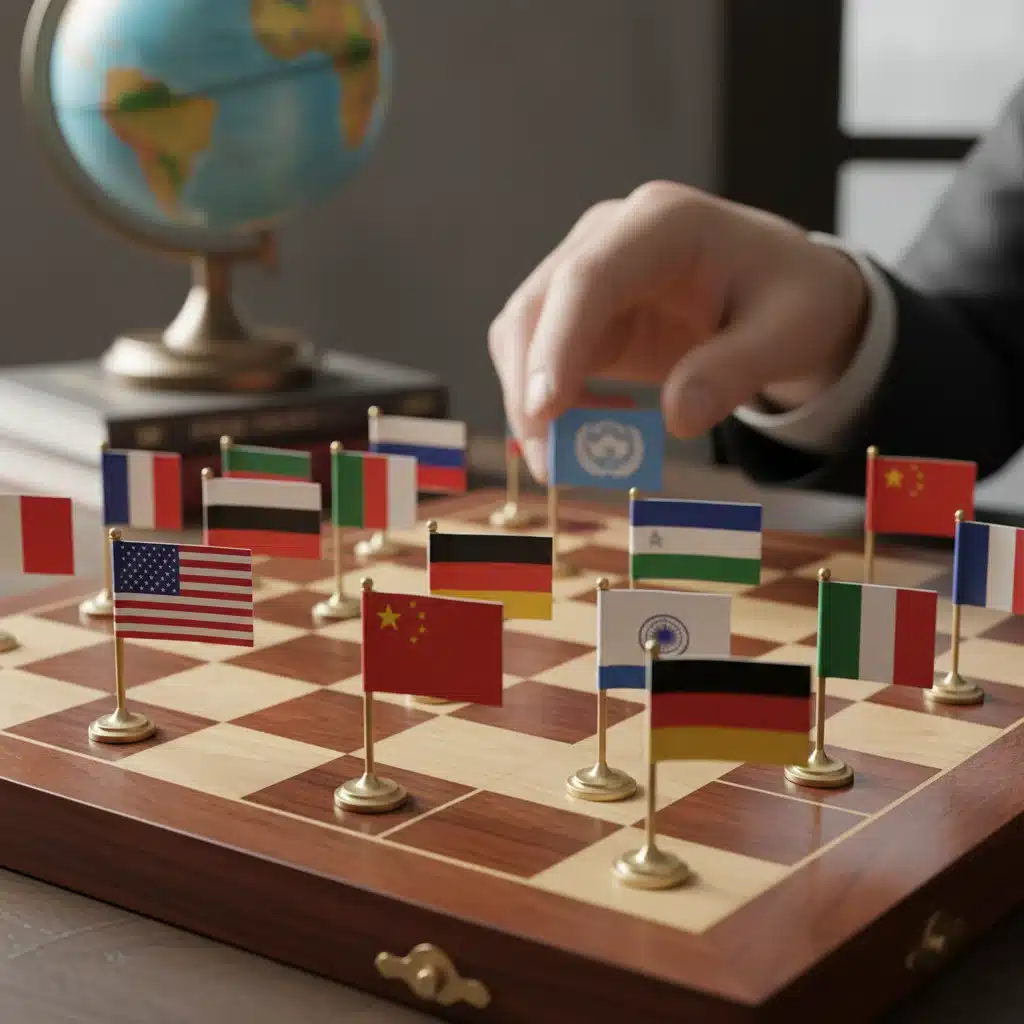
The competition for influence in international organizations like the United Nations, World Health Organization, and World Trade Organization will intensify. China will continue to leverage its growing economic power and diplomatic clout to promote its interests and reshape global norms. The US, in response, will seek to rally its allies to uphold and reform existing institutions, ensuring they remain aligned with democratic principles. This struggle for influence will play out in various forums, affecting everything from cybersecurity regulations to international aid policies, making US-China Relations 2026 a key factor in the effectiveness of global governance.
Domestic Politics and Leadership Transitions
The internal political dynamics of both the United States and China will profoundly influence their bilateral relationship in 2026. In the US, the political landscape is often characterized by partisan divisions, and a strong bipartisan consensus exists on the need to counter China’s rise. A change in presidential administration in 2024 could lead to shifts in diplomatic tone and tactical approaches, but the overarching strategic competition is likely to remain a constant. Public opinion in the US is increasingly wary of China, which will continue to shape policy decisions.
In China, President Xi Jinping’s consolidation of power and emphasis on national rejuvenation and self-reliance will continue to drive foreign policy. The Communist Party’s legitimacy is tied to economic growth and national strength, making a robust and assertive foreign policy towards the US almost a given. Any internal economic slowdowns or social pressures within China could potentially lead to an even more nationalistic stance, further complicating diplomatic efforts.
Scenarios for US-China Relations 2026
Considering the myriad of factors at play, several scenarios could unfold for US-China Relations 2026:
- Intensified Competition with Guardrails: This is arguably the most probable scenario. Both nations continue their strategic competition across economic, technological, and geopolitical domains, but maintain channels of communication to prevent direct conflict. Targeted cooperation on specific global issues (e.g., climate change) might occur, but overall trust remains low. This scenario involves a continuation of ‘managed rivalry.’
- Escalation to Crisis: A significant event, such as a major incident in the South China Sea or a severe miscalculation regarding Taiwan, could lead to a rapid escalation of tensions, potentially involving military confrontation or a complete severing of diplomatic and economic ties. While both sides likely wish to avoid this, the potential for unintended escalation is ever-present.
- Limited Rapprochement: Less likely but not impossible, this scenario would involve a conscious effort from both sides to de-escalate tensions and find more common ground. This could be driven by domestic economic pressures, a shared recognition of global threats, or a change in leadership with a more conciliatory approach. However, fundamental ideological differences and strategic objectives would still pose significant obstacles.
- Bifurcation and Bloc Formation: The world divides more distinctly into US-aligned and China-aligned blocs, with nations forced to choose sides. This would lead to a fragmented global economy, distinct technological ecosystems, and a more pronounced geopolitical rivalry, reminiscent of a new Cold War. While elements of this are already visible, a full bifurcation would represent a significant shift.
Conclusion: Navigating a New Era of Great Power Rivalry
The future of US-China Relations 2026 will undoubtedly be defined by a complex interplay of competition and limited cooperation. The era of engagement, characterized by the hope that economic integration would lead to political convergence, has largely given way to an era of strategic rivalry. Both nations are driven by national interests, ideological convictions, and a desire to shape the 21st-century global order.
For businesses, policymakers, and international observers, understanding these dynamics is paramount. Adapting to fractured supply chains, navigating diverse technological standards, and preparing for geopolitical volatility will be essential. While the potential for conflict is real, the imperative for stability and cooperation on global challenges remains. The leadership in Washington and Beijing will face immense pressure to manage this rivalry responsibly, ensuring that competition does not spiral into confrontation, thereby safeguarding global peace and prosperity. The delicate balance they strike in 2026 will set the stage for decades to come, profoundly impacting the lives of billions worldwide.