Global Migration Patterns 2026: Impact on US Demographics & Policy
Anúncios
Anúncios
Global Migration Patterns in 2026: Examining the Impact on U.S. Demographics and Policy
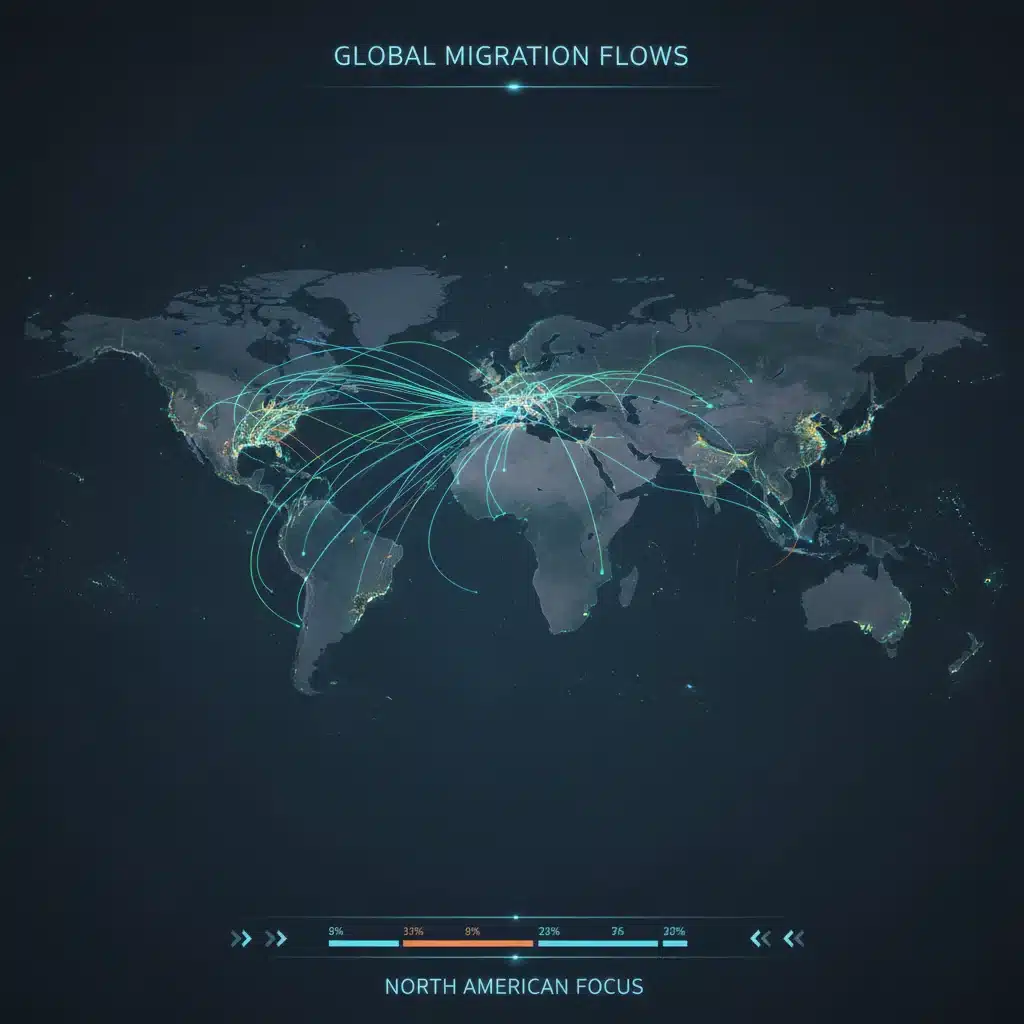
The landscape of global migration is perpetually shifting, influenced by a complex interplay of economic disparities, political instability, environmental changes, and social factors. As we look ahead to 2026, understanding these evolving global migration patterns becomes paramount, especially for countries like the United States, which has historically been a major destination for migrants. The implications of these patterns extend far beyond mere numbers, touching upon the very fabric of society, economy, and national policy. This comprehensive analysis will delve into the projected trends of global migration in 2026, examining their multifaceted impact on U.S. demographics and the subsequent policy adjustments required to navigate this dynamic future.
Anúncios
The forces driving migration are becoming increasingly potent and diverse. Traditional push factors such as conflict, poverty, and persecution remain significant, but emerging elements like climate change, resource scarcity, and technological advancements are adding new layers of complexity. Simultaneously, pull factors, including economic opportunities, educational prospects, and family reunification, continue to draw individuals towards more stable and prosperous regions. The United States, with its robust economy and established immigrant communities, remains a beacon for many seeking better lives, making it particularly susceptible to the shifts in global migration patterns.
Key Drivers of Global Migration in 2026
Several critical factors are expected to shape global migration patterns in 2026. Understanding these drivers is essential for forecasting movements and preparing for their impact.
Geopolitical Instability and Conflict
Regions plagued by ongoing conflicts and political instability will continue to be primary sources of forced migration. In 2026, we anticipate sustained displacement from areas experiencing protracted civil wars, ethnic strife, and political repression. The Middle East, parts of Africa, and specific regions in Asia are likely to see continued outflows of refugees and asylum seekers. The humanitarian crises generated by these conflicts will place immense pressure on neighboring countries and international aid organizations, inevitably leading to secondary migrations towards more distant, stable nations, including the U.S.
Economic Disparities and Opportunities
The enduring gap between developed and developing economies remains a fundamental driver of voluntary migration. Individuals from countries with limited economic prospects will continue to seek opportunities in nations offering higher wages, better employment conditions, and greater social mobility. The U.S. economy, despite its cycles, generally offers a diverse job market and entrepreneurial avenues, making it a powerful magnet. As global economic recovery progresses unevenly, these disparities will likely intensify, fueling further migration flows.
Climate Change and Environmental Disasters
Climate change is rapidly emerging as a significant driver of migration, a trend expected to accelerate by 2026. Extreme weather events, desertification, rising sea levels, and resource scarcity are rendering vast areas uninhabitable or economically unviable. Communities in vulnerable regions, particularly coastal areas, arid zones, and small island nations, will face increasing pressure to relocate. While much of this displacement may initially be internal or regional, a portion will inevitably contribute to international global migration patterns, with the U.S. potentially seeing an increase in climate refugees seeking asylum or other protective statuses.
Demographic Shifts and Labor Market Needs
Aging populations and declining birth rates in many developed countries, including the U.S., create a demand for younger labor, particularly in sectors like healthcare, agriculture, and technology. This demographic imbalance acts as a powerful pull factor, attracting migrants from younger, more populous nations. In 2026, this dynamic will likely continue to shape legal and irregular migration, as industries seek to fill labor shortages and maintain economic productivity. Policies that acknowledge and strategically manage these labor needs could significantly influence future migration flows.
Projected Impact on U.S. Demographics
The influx of migrants, regardless of their legal status, has a profound and lasting impact on the demographic composition of the United States. By 2026, these shifts will be even more pronounced, influencing everything from age distribution to cultural diversity.
Population Growth and Age Structure
Immigration has historically been a primary driver of U.S. population growth, offsetting declining birth rates among native-born populations. This trend is expected to continue. Migrants are often younger, contributing to a revitalization of the working-age population and helping to support an aging native-born demographic. This can alleviate pressures on social security and healthcare systems, provided the integration is successful. The median age of the U.S. population would be significantly higher without immigration, highlighting its crucial role in maintaining a relatively young and dynamic workforce.
Ethnic and Racial Diversity
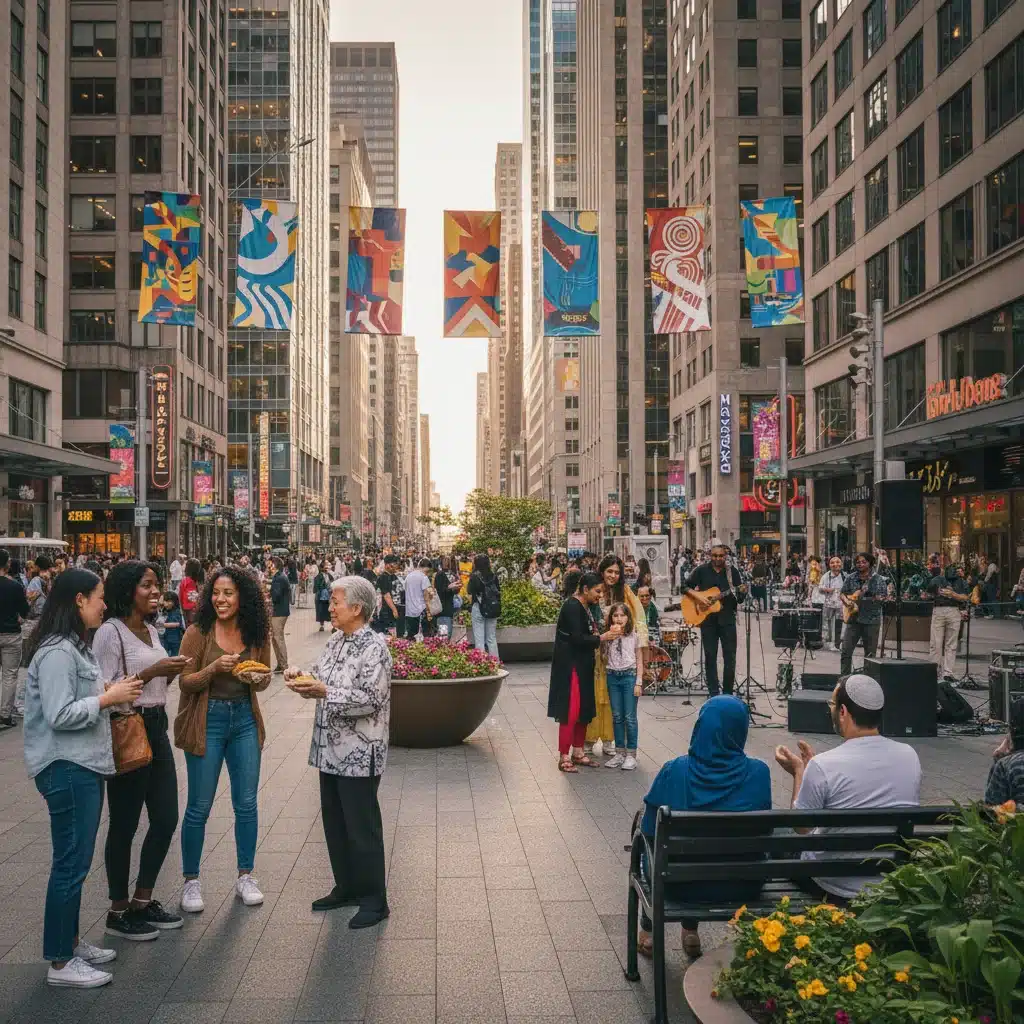
The U.S. is already one of the most ethnically diverse nations, and global migration patterns will only intensify this trend. Migrants arriving in 2026 are likely to continue diversifying the racial and ethnic makeup, particularly with continued strong flows from Latin America, Asia, and Africa. This diversity enriches cultural life, introduces new perspectives, and fosters innovation. However, it also presents challenges related to social cohesion, cultural integration, and the potential for increased nativism if not managed thoughtfully through inclusive policies.
Geographic Distribution
Migrants often settle in specific regions or cities, leading to localized demographic shifts. Gateway cities and states with established immigrant communities and robust job markets, such as California, Texas, Florida, and New York, will likely continue to experience the most significant demographic changes. This concentration can lead to increased demand for public services, housing, and infrastructure in these areas, while also contributing to economic growth and cultural vibrancy. Understanding these localized impacts is crucial for urban planning and resource allocation.
Language and Education
Increased migration will continue to impact language diversity in the U.S. While English remains dominant, the presence of numerous languages will necessitate adaptations in educational systems, public services, and communication strategies. Schools, in particular, will need to enhance resources for English language learners, while communities may see an increased need for multilingual services. This also presents an opportunity for greater linguistic proficiency within the U.S. population, offering advantages in a globalized world.
Policy Implications for the United States
The anticipated global migration patterns for 2026 necessitate a proactive and adaptable policy framework in the United States. Current immigration policies are often criticized for being outdated, inefficient, and unresponsive to modern realities. Addressing these challenges will require a comprehensive approach.
Immigration Reform
A critical need for comprehensive immigration reform will persist. This includes modernizing legal pathways for both high-skilled and low-skilled workers to meet labor market demands, streamlining family reunification processes, and establishing clear, humane procedures for asylum seekers. Policies that are too restrictive can push migration underground, leading to increased irregular immigration and associated humanitarian concerns. Conversely, policies that are too permissive without adequate infrastructure can strain public services.
Border Security and Management
The debate around border security will remain central. Effective border management in 2026 will require a multi-faceted approach that combines technological surveillance, increased personnel, and robust intelligence gathering, alongside humanitarian considerations for those seeking entry. A balanced approach that ensures national security while upholding human rights will be essential. This also includes addressing the root causes of migration in sending countries through foreign aid and diplomatic efforts.
Integration Policies
Beyond entry, successful integration of new arrivals is vital for both migrants and host communities. Policies promoting language acquisition, workforce training, educational access, and civic engagement will be crucial. Local governments and non-profit organizations often play a significant role in these efforts. Investing in integration programs can reduce social friction, foster economic contributions from migrants, and ensure that diverse populations thrive together. Without effective integration, demographic shifts can lead to social fragmentation and inequality.
Addressing Climate Migration
As climate change accelerates, the U.S. will need to develop specific policies to address climate-induced migration. This could involve creating new visa categories for environmental refugees, providing international assistance to climate-vulnerable nations to reduce displacement, and engaging in multilateral efforts to manage cross-border climate migration. The legal frameworks for asylum and refugee status may need to be re-evaluated to accommodate those displaced by environmental catastrophes.
Economic Impact and Labor Market Integration
Migrants contribute significantly to the U.S. economy, filling labor gaps, starting businesses, and paying taxes. However, their integration into the labor market can be complex. Policies focused on credential recognition, job placement services, and protection against exploitation will be vital. The U.S. will need to strategically align its immigration policies with its economic needs, ensuring that global migration patterns translate into economic benefits rather than burdens. This includes addressing the informal economy and ensuring fair labor practices for all workers, regardless of immigration status.

Challenges and Opportunities in 2026
Navigating the future of global migration patterns presents both significant challenges and unique opportunities for the United States.
Challenges
- Social Cohesion: Rapid demographic shifts can sometimes strain social cohesion, leading to cultural misunderstandings or increased anti-immigrant sentiment. Effective public dialogue and integration efforts are crucial to mitigate these risks.
- Resource Strain: Increased migration can place demands on public services, including healthcare, education, and housing, particularly in gateway communities. Adequate funding and planning are necessary to prevent resource strain.
- Political Polarization: Immigration remains a highly divisive political issue in the U.S. Finding common ground for comprehensive reform will continue to be a significant challenge, potentially hindering effective policy responses.
- Economic Inequality: While migrants contribute to economic growth, there’s a risk of exacerbating economic inequality if their labor is exploited or if native-born workers perceive competition for jobs. Fair labor practices and investment in education and training for all workers are essential.
- Global Crises: Unforeseen global crises, such as new conflicts or pandemics, can rapidly alter migration flows and create urgent humanitarian needs, requiring flexible and rapid policy responses.
Opportunities
- Economic Growth: Migrants are a vital source of labor, innovation, and entrepreneurship. They fill critical skill gaps, contribute to tax revenues, and boost consumer demand, fostering economic growth and dynamism.
- Demographic Renewal: Immigration offsets declining birth rates and an aging population, ensuring a younger workforce and contributing to the long-term solvency of social programs.
- Cultural Enrichment: The influx of diverse cultures enriches American society, bringing new perspectives, traditions, cuisines, and arts, enhancing the nation’s global soft power.
- Innovation and Competitiveness: Migrants are disproportionately represented in STEM fields and entrepreneurship, driving innovation and maintaining the U.S.’s competitive edge in the global economy.
- Enhanced Global Diplomacy: A well-managed and humane immigration system can enhance the U.S.’s reputation on the global stage, fostering stronger international relations and cooperation on shared challenges.
Conclusion
The year 2026 will undoubtedly see a continuation and intensification of complex global migration patterns. These movements will have a profound and lasting impact on U.S. demographics, shaping the nation’s population growth, age structure, and ethnic diversity. The policy implications are equally significant, demanding a comprehensive, adaptable, and humane approach to immigration reform, border management, and integration strategies.
For the United States, responding effectively to these evolving patterns is not merely a matter of managing borders but of strategically harnessing the opportunities that migration presents while mitigating its challenges. By embracing proactive policymaking, fostering social cohesion, and investing in equitable integration, the U.S. can ensure that the demographic shifts brought about by global migration contribute positively to its future prosperity and societal well-being. The choices made in the coming years regarding immigration policy will define the nation’s character and its place in an increasingly interconnected world.