UN 2026 Climate Action Plan: US Commitments & Global Progress Analysis

UN 2026 Climate Action Plan: Analyzing US Commitments and Global Progress
The global climate crisis demands urgent, concerted action. As the world grapples with escalating temperatures, extreme weather events, and irreversible ecological damage, the United Nations continues to play a pivotal role in orchestrating international efforts. The UN’s 2026 Climate Action Plan stands as a critical framework, guiding nations towards a sustainable future. This comprehensive plan outlines ambitious targets and strategic pathways, aiming to significantly reduce greenhouse gas emissions and build resilience against climate impacts. Understanding the intricacies of the UN 2026 Climate Plan, particularly in the context of major global players like the United States, is crucial for assessing its potential for success and the collective progress being made.
The journey towards a climate-resilient world is fraught with challenges, yet it is also brimming with opportunities for innovation, economic growth, and social equity. This article will delve deep into the UN 2026 Climate Action Plan, dissecting its core tenets and evaluating the commitments made by the United States. We will examine the current state of global progress, identify key areas of success and concern, and explore the mechanisms in place to monitor and enforce these vital environmental pledges. Our objective is to provide a thorough analysis that illuminates the path forward, highlighting both the urgency of the situation and the collaborative spirit required to overcome it.
The Genesis and Evolution of the UN 2026 Climate Plan
The UN 2026 Climate Plan is not an isolated initiative but rather a continuation and intensification of decades of international climate diplomacy. Its roots can be traced back to the Rio Earth Summit in 1992, the Kyoto Protocol in 1997, and most significantly, the Paris Agreement of 2015. The Paris Agreement, a landmark accord, established a global framework for avoiding dangerous climate change by limiting global warming to well below 2°C above pre-industrial levels, and pursuing efforts to limit the temperature increase to 1.5°C. Nations committed to submitting Nationally Determined Contributions (NDCs), outlining their individual climate action plans. However, the initial NDCs proved insufficient to meet the Paris goals, prompting the need for more ambitious and frequent updates.
The UN 2026 Climate Plan emerges from this evolving landscape, recognizing that the current trajectory is still not aligned with the 1.5°C target. It emphasizes enhanced NDCs, greater transparency, and accelerated implementation across all sectors. It calls for stronger commitments to emissions reductions, increased financial support for developing nations, and robust adaptation strategies. The plan also places a significant focus on nature-based solutions, technological innovation, and the crucial role of non-state actors, including businesses, cities, and civil society organizations. This holistic approach is designed to foster a global movement towards decarbonization and resilience, ensuring that all stakeholders contribute to the collective effort.
Key Pillars of the UN 2026 Climate Plan
The UN 2026 Climate Plan is built upon several interconnected pillars, each addressing a critical aspect of climate action:
- Enhanced Ambition in NDCs: A central tenet is the call for all countries to submit more ambitious NDCs, reflecting their highest possible ambition and aligning with the 1.5°C goal. This includes setting clearer, quantifiable targets for emissions reductions across all sectors.
- Accelerated Decarbonization: The plan stresses the urgent need to transition away from fossil fuels and towards renewable energy sources. It promotes investments in solar, wind, hydro, and geothermal power, alongside energy efficiency measures and the development of sustainable transportation systems.
- Climate Finance Mobilization: Acknowledging the disproportionate impact of climate change on developing nations, the plan reiterates the commitment of developed countries to provide financial support for climate mitigation and adaptation efforts. This includes meeting the long-standing goal of mobilizing $100 billion per year.
- Adaptation and Resilience Building: Beyond emissions reductions, the plan emphasizes the importance of adapting to the unavoidable impacts of climate change. This involves developing early warning systems, climate-resilient infrastructure, and sustainable agricultural practices.
- Nature-Based Solutions: Recognizing the vital role of ecosystems in regulating climate, the plan promotes the protection and restoration of forests, wetlands, and oceans. These solutions offer co-benefits for biodiversity, water security, and local livelihoods.
- Technology Transfer and Capacity Building: Facilitating the transfer of green technologies and building capacity in developing countries are crucial for equitable climate action. The plan aims to foster international cooperation in research, development, and deployment of sustainable solutions.
- Transparency and Accountability: Robust reporting, monitoring, and verification mechanisms are essential to track progress and ensure accountability. The plan calls for enhanced transparency frameworks to build trust and encourage compliance.
Each of these pillars is interdependent, and progress in one area often reinforces efforts in others. The UN 2026 Climate Plan thus presents a holistic strategy for tackling the multifaceted challenges of climate change.
US Commitments to the UN 2026 Climate Plan: A Deep Dive
As a major economy and historical emitter, the United States’ commitment to the UN 2026 Climate Plan is paramount. The US rejoining the Paris Agreement signaled a renewed dedication to climate action, and subsequent policy announcements have further solidified its position. The current administration has set ambitious domestic targets, aiming to cut greenhouse gas emissions by 50-52% below 2005 levels by 2030. This target is a significant step towards aligning with the 1.5°C goal and forms the bedrock of the US contribution to the UN 2026 Climate Plan.
US climate strategy encompasses a multi-pronged approach, integrating policy, investment, and international diplomacy. Key areas of focus include:
- Renewable Energy Transition: The US is actively promoting the expansion of renewable energy sources through tax credits, subsidies, and regulatory incentives. This includes significant investments in solar, wind, and battery storage technologies, aiming to decarbonize the power sector.
- Electric Vehicle Adoption: Policies are being implemented to accelerate the transition to electric vehicles (EVs), including charging infrastructure development, consumer rebates, and emission standards for vehicles.
- Methane Emission Reductions: Recognizing methane’s potent warming effect, the US is targeting reductions in methane emissions from oil and gas operations, agriculture, and landfills through regulations and voluntary initiatives.
- Sustainable Agriculture and Forestry: Programs are being developed to support farmers in adopting climate-smart agricultural practices, enhancing soil carbon sequestration, and promoting sustainable forestry management.
- Climate-Resilient Infrastructure: Investments are being made to build infrastructure that can withstand the impacts of climate change, such as extreme weather events, sea-level rise, and wildfires.
- International Climate Finance: The US has pledged to increase its contributions to international climate finance, supporting developing countries in their mitigation and adaptation efforts.
- Innovation and Research: Significant funding is being directed towards research and development of breakthrough technologies in areas like carbon capture, advanced nuclear power, and green hydrogen.
These commitments, if fully realized, would represent a substantial contribution to global climate goals. However, the implementation faces political, economic, and social hurdles. The consistency of policy across administrations, the willingness of Congress to enact necessary legislation, and the engagement of state and local governments will all play a crucial role in the success of the US’s climate agenda under the UN 2026 Climate Plan.
Challenges and Opportunities for US Climate Action
While the US has demonstrated a renewed commitment to climate action, several challenges persist. Political polarization can hinder the passage of comprehensive climate legislation, leading to policy uncertainty. Economic concerns, particularly regarding the cost of transition, can also create resistance. Furthermore, ensuring equitable distribution of the benefits and burdens of climate policies across different communities remains a significant challenge.
However, alongside these challenges are considerable opportunities. The transition to a green economy can spur innovation, create new jobs, and enhance energy independence. Investments in renewable energy and sustainable technologies can drive economic growth and improve public health. International collaboration, facilitated by the UN 2026 Climate Plan, also offers opportunities for sharing best practices and accelerating technological advancements. The US, with its scientific and technological prowess, has the potential to lead in developing and deploying these solutions globally.
Global Progress Towards the UN 2026 Climate Plan Goals
Assessing global progress towards the UN 2026 Climate Plan goals is a complex undertaking, as it involves aggregating commitments and actions from nearly 200 countries. While there has been undeniable momentum since the Paris Agreement, the collective efforts still fall short of what is needed to limit global warming to 1.5°C. The UN Environment Programme’s annual Emissions Gap Report consistently highlights the gap between current NDCs and the necessary emissions reductions.
On the positive side, renewable energy capacity continues to grow at an unprecedented pace, with solar and wind power becoming increasingly cost-competitive. Many countries are setting ambitious targets for decarbonization and investing in green technologies. The private sector is also playing an increasingly significant role, with numerous corporations committing to net-zero emissions and sustainable supply chains. Public awareness and demand for climate action are also on the rise, pushing governments to act more decisively.

However, significant challenges remain. Global greenhouse gas emissions, while showing signs of slowing growth, are still increasing. Many countries’ NDCs are not yet ambitious enough, and the implementation of existing commitments is often slow. Financing for adaptation and mitigation in developing countries remains a contentious issue, with developed nations often falling short of their pledges. Furthermore, the reliance on fossil fuels, particularly coal, continues in several major economies, posing a significant barrier to achieving the 1.5°C target.
Regional Disparities in Climate Action
Global progress is not uniform. Different regions face unique challenges and opportunities, leading to varying levels of climate action:
- European Union: The EU has been a leader in climate policy, with ambitious targets for emissions reductions and significant investments in renewable energy. Its ‘Fit for 55’ package aims to cut emissions by at least 55% by 2030.
- China: As the world’s largest emitter, China’s climate actions are critical. It has pledged to peak emissions before 2030 and achieve carbon neutrality by 2060. While investing heavily in renewables, it also continues to build coal-fired power plants, presenting a complex picture.
- India: A rapidly developing economy, India faces the dual challenge of economic growth and climate action. It has committed to achieving net-zero emissions by 2070 and is significantly expanding its renewable energy capacity.
- Developing Nations: Many developing countries are highly vulnerable to climate impacts but have limited resources for adaptation and mitigation. They often rely on climate finance and technology transfer from developed nations to implement their climate plans.
The UN 2026 Climate Plan aims to bridge these disparities by fostering international cooperation, providing financial and technological support, and promoting equitable climate action across all regions.
Mechanisms for Monitoring and Enforcement
The effectiveness of the UN 2026 Climate Plan hinges on robust mechanisms for monitoring progress and ensuring accountability. The Paris Agreement established an enhanced transparency framework (ETF) to track countries’ NDCs and overall global progress. Under the ETF, countries are required to regularly report on their emissions, mitigation actions, and support provided or received. This data is then subject to technical expert review and multilateral consideration, fostering transparency and trust.
While the Paris Agreement and the UN 2026 Climate Plan do not have punitive enforcement mechanisms in the traditional sense, the pressure of international scrutiny and the desire to maintain credibility on the global stage serve as powerful motivators for compliance. The ‘ratchet mechanism’ of the Paris Agreement, which encourages countries to submit increasingly ambitious NDCs every five years, is designed to progressively raise the level of global climate action.
The Role of Non-State Actors and Civil Society
Beyond national governments, non-state actors and civil society play a crucial role in driving climate action and holding governments accountable. Businesses are increasingly setting their own emissions reduction targets, investing in sustainable practices, and advocating for stronger climate policies. Cities and regions are implementing innovative climate solutions at the local level, often surpassing national commitments.
Environmental organizations, scientific bodies, and youth movements are also instrumental in raising awareness, conducting research, and lobbying for ambitious climate policies. Their advocacy helps to shape public opinion and push political leaders towards bolder action. The UN 2026 Climate Plan recognizes and actively seeks to integrate the contributions of these diverse stakeholders, understanding that a truly transformative shift requires a whole-of-society approach.
The Road Ahead: Challenges and Opportunities for the UN 2026 Climate Plan
The path to achieving the goals of the UN 2026 Climate Plan is undeniably challenging. The sheer scale of the transformation required across energy systems, industries, agriculture, and infrastructure is immense. Overcoming political inertia, economic vested interests, and social resistance will demand sustained effort and leadership. The ongoing geopolitical landscape, with its various crises and priorities, can also divert attention and resources away from climate action.
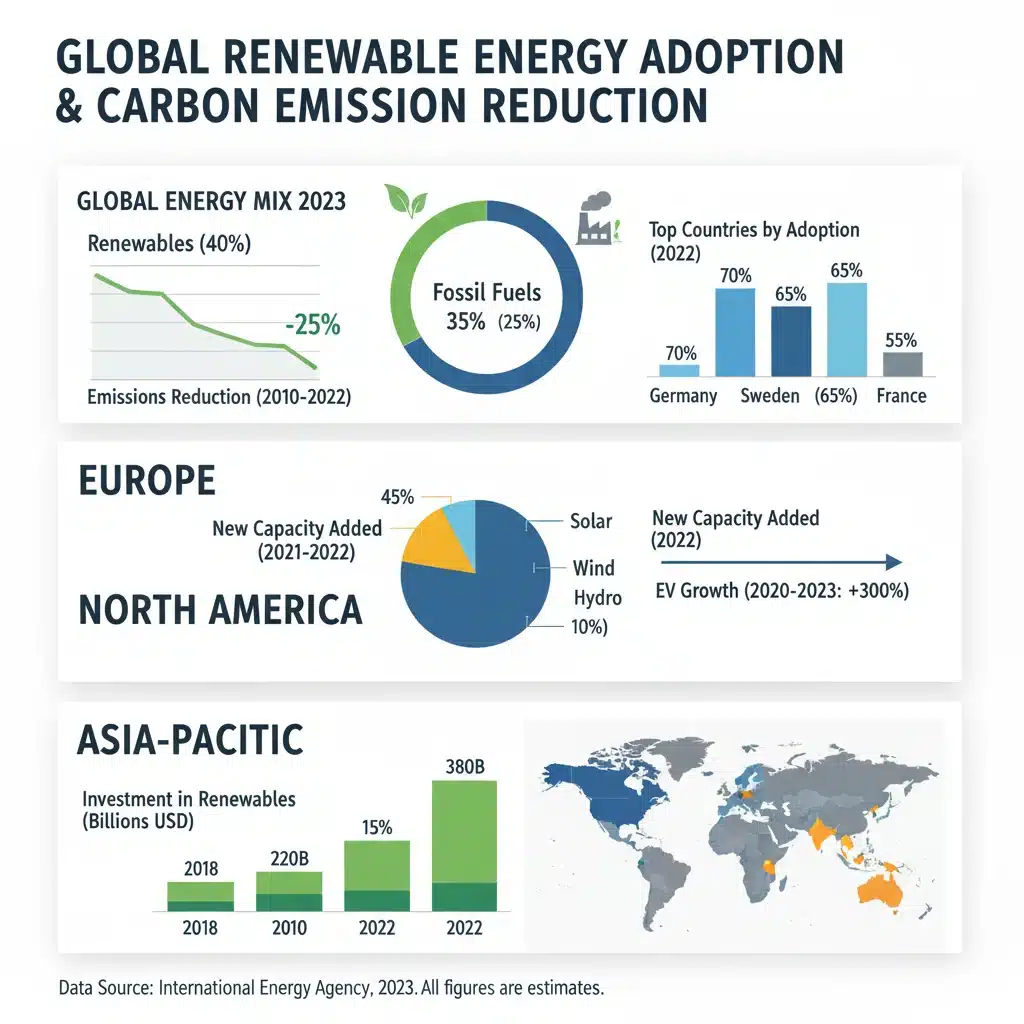
However, the opportunities presented by aggressive climate action are equally compelling. The transition to a green economy can unlock new avenues for sustainable growth, job creation, and technological innovation. Investing in renewable energy not only reduces emissions but also enhances energy security and reduces reliance on volatile fossil fuel markets. Building climate resilience can protect communities, infrastructure, and economies from the increasing impacts of extreme weather. Furthermore, addressing climate change can lead to significant co-benefits, such as improved air quality, better public health, and enhanced biodiversity.
The success of the UN 2026 Climate Plan will ultimately depend on the collective will of nations to translate commitments into concrete action. It requires a fundamental shift in how societies produce and consume, how economies operate, and how we interact with our planet. This shift will necessitate unprecedented levels of international cooperation, equitable burden-sharing, and a steadfast commitment to scientific evidence.
The Imperative of Collaboration and Innovation
Collaboration is at the heart of the UN 2026 Climate Plan. No single nation, however powerful, can solve the climate crisis alone. International partnerships are essential for sharing knowledge, technologies, and financial resources. Developed nations have a responsibility to support developing countries in their climate transitions, recognizing historical emissions and differential capacities.
Innovation will also be a critical driver. While many existing solutions can be scaled up immediately, continued research and development are needed to unlock new breakthroughs in areas like carbon capture, energy storage, and sustainable materials. Policies that incentivize green innovation and foster a supportive ecosystem for climate technologies will be vital.
Moreover, the UN 2026 Climate Plan must continuously adapt to new scientific findings and evolving global circumstances. Flexibility and a willingness to course-correct based on data and experience will be key to its long-term effectiveness. The plan serves not as a rigid blueprint, but as a living framework that can be strengthened and refined over time.
Conclusion: A Call to Action for the UN 2026 Climate Plan
The UN 2026 Climate Plan represents a crucial juncture in humanity’s fight against climate change. It outlines a clear, albeit challenging, pathway towards a more sustainable and resilient future. The United States, with its renewed commitments and significant resources, plays a pivotal role in this global endeavor. While progress is being made on several fronts, the collective ambition and speed of implementation must dramatically increase to avert the most catastrophic impacts of climate change.
Achieving the goals of the UN 2026 Climate Plan demands unwavering political will, substantial financial investment, groundbreaking technological innovation, and broad societal engagement. It is a call to action for governments, businesses, civil society, and individuals alike. The choices made in the coming years will determine the trajectory of our planet for generations to come. By embracing the principles of the UN 2026 Climate Plan and working together, nations can transform the climate crisis into an opportunity to build a more equitable, prosperous, and sustainable world for all.
The urgency of the situation cannot be overstated. Every fraction of a degree matters, and every ton of emissions avoided contributes to a safer future. The UN 2026 Climate Plan provides the framework; it is now up to the global community to deliver on its promise with courage, determination, and unprecedented cooperation. The legacy we leave for future generations depends on the actions we take today.