US Arctic Council Agenda: Resource Management & Environmental Protection
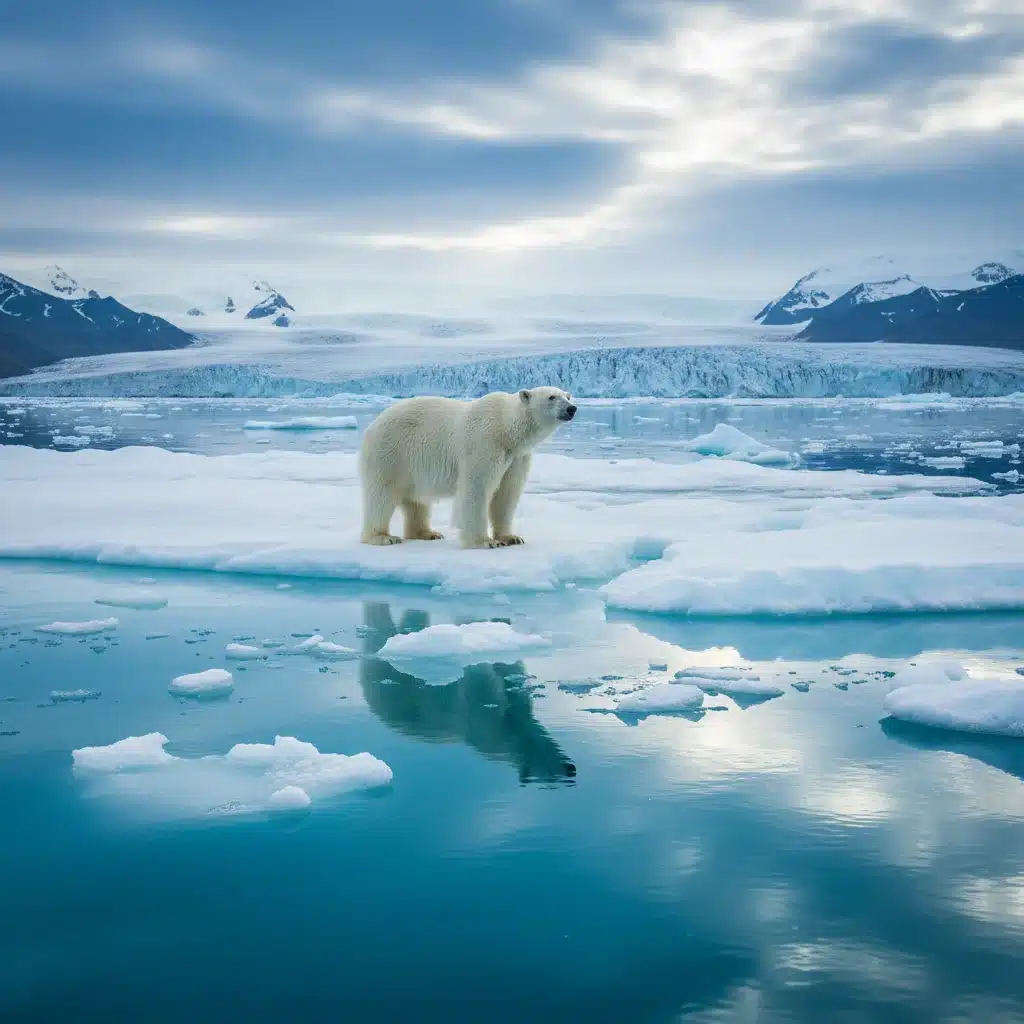
The Arctic, a region once considered remote and immutable, is now at the forefront of global geopolitical and environmental discussions. Its rapid transformation due to climate change presents both unprecedented challenges and new opportunities. As the United States prepares for its potential role in shaping the 2026 Arctic Council agenda, understanding the intricate balance between resource management and environmental protection becomes paramount. The US Arctic Agenda is not merely a regional concern; it is a critical component of global sustainability and security.
The Arctic Council, established in 1996, serves as the leading intergovernmental forum promoting cooperation, coordination, and interaction among the Arctic States and with the involvement of Arctic Indigenous peoples on common Arctic issues, in particular on issues of sustainable development and environmental protection in the Arctic. Its work is non-binding, but its influence on policy and research is immense. The upcoming 2026 agenda will undoubtedly reflect the escalating urgency of climate action, the increasing accessibility of Arctic resources, and the persistent need to safeguard the unique cultures and livelihoods of indigenous communities.
For the United States, its involvement in the Arctic is multifaceted, driven by national security interests, economic opportunities, scientific research, and a commitment to environmental stewardship. The melting ice caps are opening new shipping routes, exposing vast reserves of natural resources, and altering ecological systems at an alarming rate. These changes demand a comprehensive and proactive US Arctic Agenda that can navigate these complexities effectively.
This article delves into the critical elements that are expected to define the 2026 Arctic Council agenda, with a particular focus on US interests in sustainable resource management and robust environmental protection. We will explore the historical context of US engagement in the Arctic, the current challenges and opportunities, and the strategic priorities that will likely guide the nation’s approach. Furthermore, we will examine the crucial role of indigenous communities, scientific collaboration, and international partnerships in achieving a balanced and sustainable future for the Arctic.
Historical Context of US Engagement in the Arctic
The United States has a long and varied history in the Arctic, primarily through Alaska, its largest state. From the purchase of Alaska from Russia in 1867 to its strategic importance during the Cold War, the US has recognized the region’s significance. However, it is in recent decades that the Arctic has gained heightened attention on the national policy stage, largely due to the accelerating impacts of climate change.
Early Exploration and Resource Development
Historically, US interest in the Arctic was driven by exploration, whaling, and later, the discovery of significant oil and gas reserves, particularly in Alaska’s North Slope. The construction of the Trans-Alaska Pipeline System in the 1970s underscored the nation’s commitment to harnessing Arctic resources. This era set a precedent for resource extraction, shaping perceptions of the region as a frontier for economic development. The US Arctic Agenda has always had an economic component, but the balance with environmental concerns has shifted.
Cold War Geopolitics and Scientific Research
During the Cold War, the Arctic became a critical strategic theater, serving as a buffer and a potential battleground between superpowers. This period saw increased military presence and significant investment in scientific research, particularly in areas related to oceanography, meteorology, and glaciology. These scientific endeavors laid the groundwork for understanding the Arctic’s delicate ecosystems, even if the primary motivation was often strategic.
Post-Cold War Era and the Rise of Environmental Concerns
With the end of the Cold War, the focus began to shift. The establishment of the Arctic Council in 1996 marked a pivotal moment, signaling a move towards cooperative governance and a greater emphasis on environmental protection and sustainable development. The US, as one of the eight Arctic states, played a crucial role in this evolution. The realization that the Arctic was warming at twice the global average brought climate change to the forefront of the US Arctic Agenda.
The US has previously held the chairmanship of the Arctic Council, most recently from 2015-2017, focusing on themes such as Arctic Ocean safety, security, and stewardship; improving economic and living conditions; and addressing the impacts of climate change. These past priorities provide a strong foundation for the upcoming 2026 agenda, indicating a continuity in the nation’s commitment to a balanced approach.
Key Pillars of the 2026 US Arctic Agenda
As the Arctic continues its rapid transformation, the 2026 US Arctic Agenda within the Arctic Council will likely be structured around several interconnected pillars. These pillars aim to address the complex challenges and opportunities while upholding the principles of sustainability and international cooperation.
Sustainable Resource Management
The Arctic holds an estimated 13% of the world’s undiscovered oil and 30% of its undiscovered natural gas, alongside significant mineral resources. The melting ice makes these resources more accessible, creating both economic incentives and profound environmental risks. The US approach to sustainable resource management will need to be carefully calibrated.
Oil and Gas Exploration and Extraction
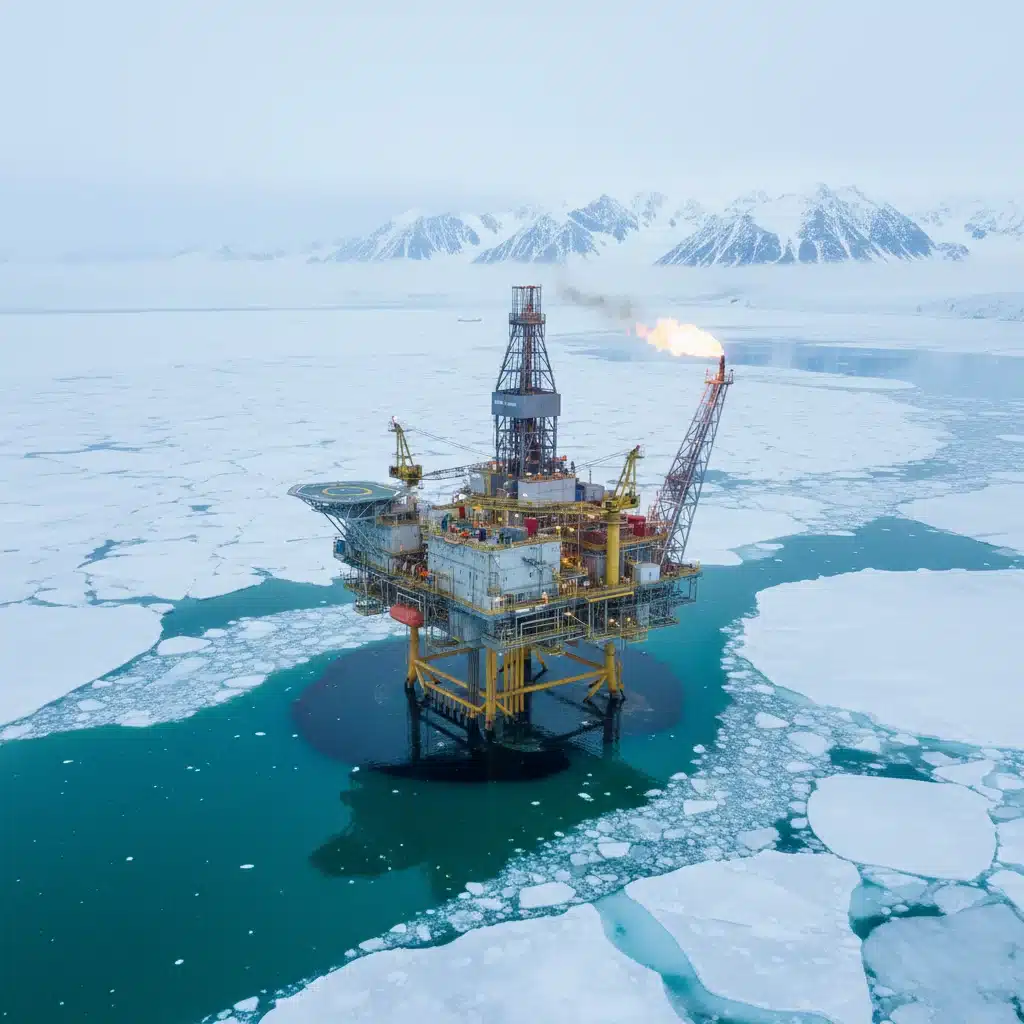
The US has a vested interest in ensuring responsible development of its own Arctic resources, particularly in Alaska. The 2026 agenda will likely involve discussions on best practices for offshore and onshore drilling, minimizing environmental footprints, and ensuring robust spill response capabilities. The challenge lies in balancing energy security needs with the imperative to protect fragile Arctic ecosystems. This will require stringent regulatory frameworks and international collaboration on safety standards. The US Arctic Agenda must prioritize both economic viability and ecological integrity.
Fisheries Management
As sea ice recedes, new areas become accessible to commercial fishing. This raises concerns about unregulated fishing and its potential impact on marine ecosystems. The US will advocate for science-based fisheries management plans, including agreements to prevent unregulated fishing in the Central Arctic Ocean. Protecting marine biodiversity and ensuring the long-term viability of fish stocks are crucial for both environmental health and the livelihoods of coastal communities.
Mineral Development
The Arctic is rich in critical minerals essential for modern technologies. Responsible mining practices, including environmental impact assessments, reclamation plans, and benefit-sharing with local communities, will be key areas of focus. The US will seek to promote transparent and ethical supply chains for these minerals, aligning with broader national security and economic goals.
Environmental Protection and Climate Action
The Arctic is warming at an alarming rate, leading to significant impacts such as permafrost thaw, sea-level rise, and extreme weather events. Environmental protection and climate action are not merely separate items on the agenda; they are foundational to every other discussion.
Mitigating Climate Change Impacts
The US will likely push for stronger international cooperation on reducing greenhouse gas emissions, recognizing that global emissions directly impact the Arctic. This includes supporting research into climate change processes, developing adaptation strategies for Arctic communities, and investing in renewable energy solutions within the region. The US Arctic Agenda must reflect a global commitment to climate mitigation.
Biodiversity Conservation
The Arctic is home to unique flora and fauna, many of which are highly specialized and vulnerable to climate change. Protecting species such as polar bears, seals, whales, and migratory birds will be a central theme. This involves establishing protected areas, combating pollution, and addressing the impacts of increased human activity, including shipping and tourism. The US will advocate for robust conservation measures based on scientific evidence.
Pollution Prevention and Response
Increased shipping, resource extraction, and military activities pose risks of pollution, including oil spills and the introduction of marine debris. The 2026 agenda will likely emphasize strengthening international agreements and capabilities for pollution prevention, monitoring, and emergency response. This includes developing advanced technologies for spill detection and cleanup in harsh Arctic conditions. The environmental integrity of the region is paramount to the US Arctic Agenda.
The Indispensable Role of Indigenous Communities
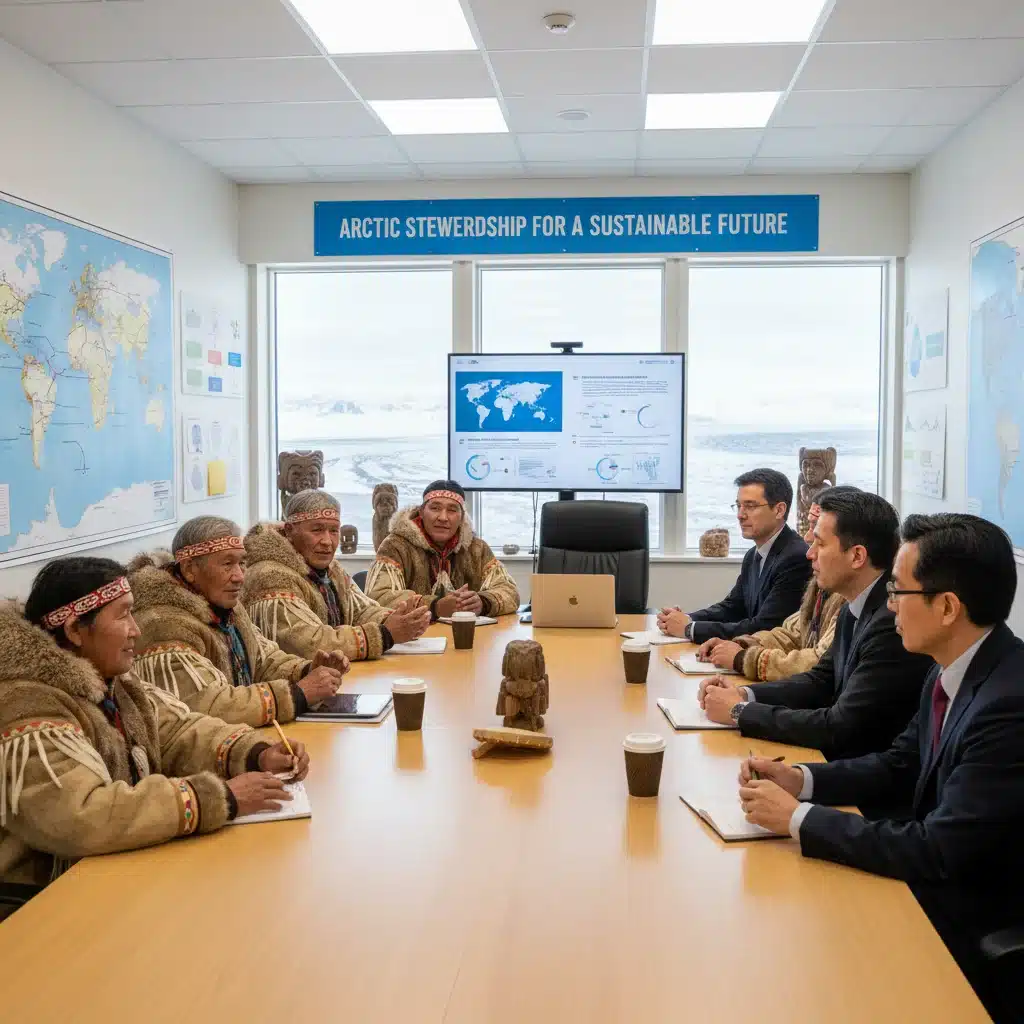
Arctic Indigenous peoples have inhabited the region for millennia, possessing invaluable traditional knowledge and a deep understanding of the environment. Their inclusion in all aspects of Arctic governance and development is not just an ethical imperative but a practical necessity for effective and sustainable outcomes.
Traditional Knowledge Integration
The US will continue to advocate for the meaningful integration of traditional and local knowledge into scientific research and policy-making processes. Indigenous perspectives offer critical insights into environmental changes, resource management strategies, and community resilience that complement Western scientific approaches. This co-production of knowledge is essential for a holistic understanding of the Arctic.
Sustainable Livelihoods and Cultural Preservation
Climate change and increased industrial activity threaten the traditional livelihoods and cultural practices of Arctic Indigenous communities, such as hunting, fishing, and herding. The 2026 US Arctic Agenda will likely prioritize initiatives that support economic diversification, strengthen indigenous self-determination, and protect cultural heritage. This includes ensuring that any resource development benefits local communities and respects their rights and traditions.
Health and Well-being
Arctic communities face unique health challenges, including those related to food security, mental health, and access to healthcare, often exacerbated by environmental changes. The US will support programs aimed at improving public health infrastructure, addressing food insecurity, and promoting culturally appropriate health services for indigenous populations. The well-being of Arctic residents is a core component of sustainable development.
Geopolitical Considerations and International Cooperation
The Arctic is not immune to global geopolitical dynamics. The increasing interest from non-Arctic states and the strategic implications of melting ice necessitate a strong emphasis on international cooperation and adherence to international law.
Maintaining a Rules-Based Order
The US will continue to champion a rules-based international order in the Arctic, ensuring that all activities are conducted in accordance with international law, including the United Nations Convention on the Law of the Sea (UNCLOS). This is crucial for peaceful coexistence and preventing conflicts over resources or shipping routes. The US Arctic Agenda is committed to peaceful resolution of disputes.
Scientific Collaboration
Addressing the complex challenges of the Arctic requires a concerted global scientific effort. The US will promote international scientific collaboration, data sharing, and joint research initiatives to better understand climate change impacts, ecosystem dynamics, and potential mitigation strategies. Scientific diplomacy can also serve as a powerful tool for building trust and cooperation among Arctic nations.
Engagement with Non-Arctic States
While the Arctic Council is primarily for Arctic states, the increasing presence and interest of non-Arctic nations (e.g., China, India, and various European countries) in the region cannot be ignored. The US will seek to engage with these states to ensure their activities align with sustainable development principles and respect the sovereignty of Arctic nations. This includes promoting transparency and responsible investment in the region.
Challenges and Opportunities for the 2026 US Arctic Agenda
Navigating the future of the Arctic presents a myriad of challenges, but also significant opportunities for innovation and leadership.
Challenges
- Pace of Climate Change: The rapid pace of Arctic warming makes it difficult to implement effective adaptation and mitigation strategies.
- Balancing Development and Conservation: Reconciling the economic imperative of resource extraction with the critical need for environmental protection is a constant tension.
- Infrastructure Deficit: The Arctic lacks adequate infrastructure for scientific research, emergency response, and sustainable economic development.
- Geopolitical Tensions: While the Arctic Council has historically been a forum for cooperation, broader geopolitical tensions can spill over, complicating collaborative efforts.
- Funding Constraints: Implementing ambitious Arctic policies requires significant financial investment, which can be a challenge.
Opportunities
- Technological Innovation: The Arctic can be a testbed for new technologies in renewable energy, sustainable resource extraction, and environmental monitoring.
- International Leadership: The US has an opportunity to demonstrate global leadership in climate action, sustainable development, and indigenous rights.
- Economic Diversification: Beyond traditional resource extraction, new economic opportunities can emerge in areas like sustainable tourism, research, and specialized Arctic services.
- Enhanced Scientific Understanding: The Arctic provides a unique laboratory for understanding global climate systems and developing solutions that can benefit the entire planet.
- Strengthening Indigenous Partnerships: Deeper collaboration with indigenous communities can lead to more effective and equitable outcomes for the region.
Conclusion: Shaping a Sustainable Arctic Future
The 2026 Arctic Council agenda will be a crucial juncture for the future of the region. The United States, as a key Arctic nation, has a profound responsibility and a vested interest in shaping an agenda that promotes sustainable resource management, robust environmental protection, and the well-being of its indigenous communities. The US Arctic Agenda must be forward-looking, adaptive, and collaborative.
Achieving these goals will require a commitment to science-based decision-making, a deep respect for indigenous knowledge and rights, and persistent international cooperation. The challenges are immense, but the potential rewards of a healthy, prosperous, and peaceful Arctic are even greater. By prioritizing a balanced approach, the US can contribute significantly to a sustainable future for this vital global region, setting a precedent for responsible governance in an era of rapid environmental change.
The melting ice is not just a harbinger of environmental crisis; it is also a call to action, urging nations to work together to protect a shared heritage and secure a sustainable future. The 2026 US Arctic Agenda must rise to this challenge, demonstrating leadership and fostering genuine collaboration among all stakeholders. The world watches as the Arctic transforms, and the decisions made today will resonate for generations to come, impacting not only the region but the entire planet.
Ultimately, the success of the US Arctic Agenda in 2026 will be measured not just by economic gains or strategic advantages, but by its ability to foster resilience, protect unique ecosystems, and empower the communities that call the Arctic home. It is a testament to the interconnectedness of our world, where the fate of a remote polar region holds profound implications for us all.