International Human Rights 2026: A U.S. Review of Global Challenges
International Human Rights in 2026: A U.S. Review of 5 Critical Global Challenges
As we navigate through 2026, the landscape of global human rights continues to evolve, presenting both persistent struggles and emerging threats. From the United States’ vantage point, understanding these dynamics is crucial for shaping effective foreign policy, fostering international cooperation, and upholding the universal principles of human dignity. This comprehensive review delves into five critical global challenges that significantly impact international human rights, examining their complexities, the U.S. role, and potential pathways for progress. The concept of global human rights is not static; it is constantly tested by geopolitical shifts, technological advancements, and socio-economic pressures.
The commitment to global human rights has long been a cornerstone of American diplomatic rhetoric and, to varying degrees, its foreign policy. However, the practical application of these ideals faces considerable obstacles in a multipolar world. This article aims to provide a clear, insightful analysis of the most pressing issues, offering a framework for understanding the intricate web of challenges that define the human rights agenda in the mid-2020s. We will explore how these challenges intersect, often exacerbating one another, and what concerted efforts are required to safeguard fundamental freedoms for all.
1. The Erosion of Democratic Norms and Civic Space
One of the most alarming trends impacting global human rights in 2026 is the widespread erosion of democratic norms and the shrinking of civic space. Across various continents, we observe a concerning rise in authoritarian tendencies, characterized by restrictions on freedom of expression, assembly, and association. Governments are increasingly employing sophisticated tactics to suppress dissent, control information, and undermine independent institutions. This includes the weaponization of legislation to criminalize peaceful protest, the arbitrary detention of journalists and activists, and the systematic dismantling of checks and balances necessary for a healthy democracy.
The Global Landscape of Democratic Backsliding
From established democracies experiencing populist surges to nascent democracies struggling to consolidate their institutions, the retreat from democratic principles is palpable. In many nations, electoral processes are being manipulated, judicial independence is under attack, and media pluralism is being stifled. These actions directly impinge upon fundamental human rights, as citizens are denied their voice, their ability to hold power accountable, and their right to participate in the governance of their societies. The U.S. faces the complex task of promoting democracy abroad while grappling with its own internal challenges to democratic resilience.
Impact on Human Rights
The direct consequences for global human rights are severe. When civic space shrinks, the ability of civil society organizations to advocate for vulnerable populations diminishes. Marginalized groups, including ethnic and religious minorities, LGBTQ+ individuals, and women, often bear the brunt of these repressive measures. Without robust democratic institutions, avenues for redress are closed, and accountability for human rights abuses becomes elusive. The international community, including the U.S., struggles to find effective strategies to counter this trend, often balancing geopolitical interests with human rights advocacy.
U.S. Response and Future Outlook
The U.S. has historically positioned itself as a champion of democracy and human rights. In 2026, its approach involves a multi-faceted strategy, including diplomatic pressure, targeted sanctions against human rights abusers, and support for civil society organizations. However, the effectiveness of these measures is often debated, especially when confronted with powerful states that prioritize sovereignty over international human rights norms. The challenge lies in forging broader international consensus and developing innovative tools to support democratic actors without being perceived as interfering in internal affairs. Strengthening multilateral institutions and promoting democratic resilience through economic and technical assistance are crucial components of a forward-looking strategy for global human rights.
2. The Escalating Climate Crisis and Its Human Rights Dimensions
The climate crisis is no longer a distant threat but a tangible reality, profoundly impacting global human rights in 2026. Extreme weather events, rising sea levels, and resource scarcity are displacing communities, threatening livelihoods, and exacerbating existing inequalities. The right to life, health, food, water, and adequate housing are increasingly jeopardized by climate change, disproportionately affecting the most vulnerable populations who have contributed least to the problem.
Climate Displacement and Migration
One of the most pressing human rights concerns stemming from the climate crisis is forced displacement and migration. Millions are being uprooted from their homes due to droughts, floods, and desertification. These climate migrants often lack legal protections, face increased risks of exploitation and abuse, and struggle to access basic services in host communities. The international legal framework for refugees does not adequately address climate-induced displacement, creating a significant protection gap that needs urgent attention. The U.S., as a major contributor to historical emissions and a potential destination for climate migrants, has a critical role to play in developing comprehensive solutions.
Impact on Indigenous Peoples and Marginalized Communities
Indigenous peoples, whose livelihoods and cultural identities are intimately tied to their ancestral lands and natural resources, are particularly vulnerable to climate change. Their traditional knowledge, which could offer valuable insights into climate adaptation, is often overlooked, and their rights to self-determination and cultural preservation are threatened. Similarly, other marginalized communities, including those in small island developing states and low-lying coastal areas, face existential threats, highlighting the inherent injustices within the climate crisis and its impact on global human rights.
U.S. Policy and International Cooperation
The U.S. has recommitted to addressing climate change, recognizing its profound implications for national security and human rights. This involves investing in renewable energy, implementing adaptation strategies, and re-engaging in international climate diplomacy. However, much more is needed. A human rights-based approach to climate action requires ensuring meaningful participation of affected communities, providing adequate compensation for loss and damage, and upholding the principle of climate justice. International cooperation, particularly with developing nations, is essential to build resilience and mitigate the human rights consequences of a warming planet. The challenge is to integrate human rights considerations into all aspects of climate policy, both domestically and internationally, to truly advance global human rights.
3. The Dual-Edged Sword of Digital Technologies: Surveillance and Censorship
In 2026, digital technologies continue to be a double-edged sword for global human rights. While they offer unprecedented opportunities for communication, education, and advocacy, they also present significant threats through state-sponsored surveillance, censorship, and the proliferation of disinformation. The digital realm has become a new frontier for human rights struggles, demanding innovative legal and policy responses.
Digital Authoritarianism and Surveillance
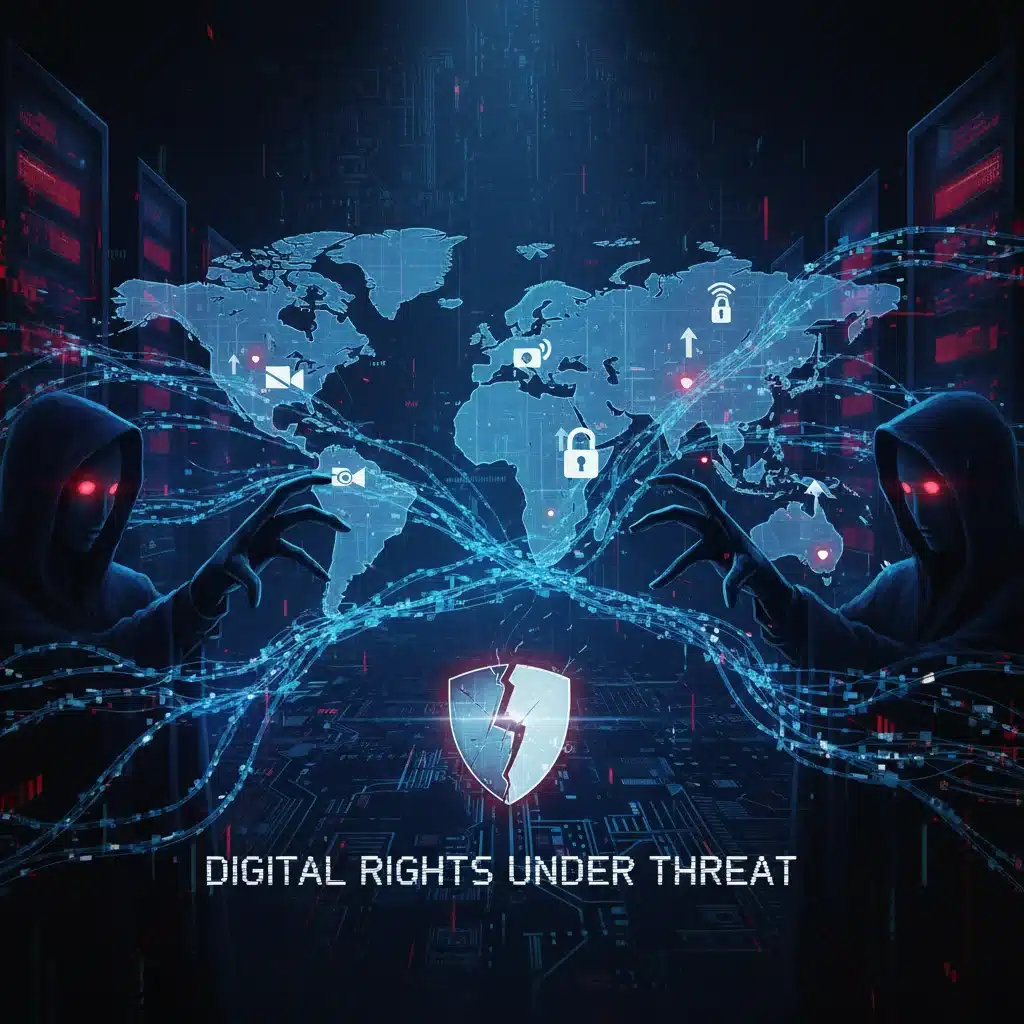
Many governments are increasingly leveraging advanced technologies, such as AI-powered facial recognition, sophisticated data analytics, and intrusive spyware, to monitor their citizens, suppress dissent, and control narratives. This digital authoritarianism erodes privacy rights, chills freedom of expression, and can lead to arbitrary arrests and persecution. The export of surveillance technologies from technologically advanced nations to repressive regimes further exacerbates this problem, raising ethical questions about corporate responsibility and export controls. The U.S. grapples with balancing national security interests with the protection of digital rights globally, often finding itself in a complex position given its own surveillance capabilities.
Censorship, Disinformation, and the Right to Information
The internet, once heralded as a tool for liberation, is now frequently used to spread disinformation, manipulate public opinion, and censor critical voices. State-controlled media and state-sponsored troll farms actively engage in information warfare, making it difficult for citizens to access accurate and unbiased information. This undermines the right to seek, receive, and impart information, a cornerstone of democratic societies and a fundamental human right. The rise of deepfakes and other AI-generated content further blurs the lines between reality and fabrication, posing significant challenges to truth and accountability.
Protecting Digital Rights in a Connected World
Addressing these challenges requires a multi-stakeholder approach. Governments, tech companies, civil society, and international organizations must collaborate to establish robust legal frameworks that protect digital rights, promote transparency in data collection and use, and hold perpetrators of digital repression accountable. The U.S. has a crucial role in advocating for an open, secure, and reliable internet, promoting internet freedom initiatives, and working with allies to counter digital authoritarianism. Developing international norms for responsible technology use and regulating the export of surveillance tools are vital steps towards safeguarding global human rights in the digital age. Education and digital literacy are also key to empowering individuals to navigate the complex information landscape.
4. Protracted Conflicts and Humanitarian Crises
In 2026, several regions of the world remain embroiled in protracted conflicts, leading to devastating humanitarian crises and widespread violations of global human rights. These conflicts are often characterized by internal displacement, refugee flows, food insecurity, and the systematic targeting of civilians, including through sexual violence and attacks on essential infrastructure like hospitals and schools.
The Human Cost of Conflict
The human cost of these conflicts is immeasurable. Millions are deprived of their basic rights to safety, shelter, health, and education. Children are particularly vulnerable, facing recruitment into armed groups, psychological trauma, and disrupted futures. International humanitarian law, designed to protect civilians in armed conflict, is frequently disregarded by state and non-state actors alike. The impunity enjoyed by perpetrators of war crimes and crimes of humanity further emboldens continued abuses, creating cycles of violence and suffering. The U.S., often a significant player in international security, faces the ongoing challenge of responding to these crises effectively and ethically.
Challenges to Humanitarian Access and Protection
Delivering humanitarian aid to affected populations is a constant struggle, with access often denied or obstructed by warring parties. Humanitarian workers themselves are frequently targeted, making their critical work even more perilous. The politicization of aid, coupled with insufficient funding, further complicates efforts to alleviate suffering. The protection of civilians remains a paramount concern, yet mechanisms for accountability and justice are often weak or non-existent in conflict zones. The international community, including the U.S., struggles with the efficacy of intervention, the complexities of peacebuilding, and the long-term commitment required to address the root causes of conflict.
U.S. Role in Conflict Resolution and Humanitarian Response
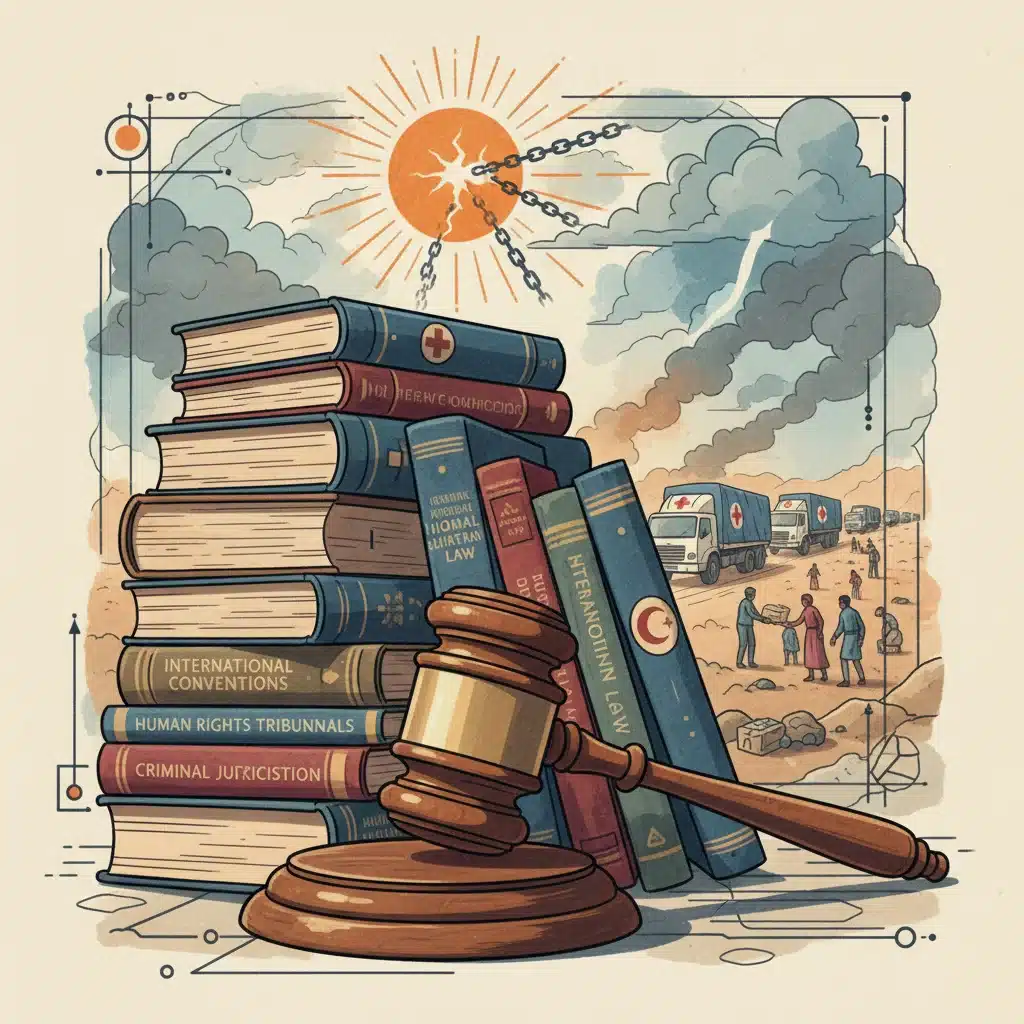
The U.S. plays a critical role in addressing these crises through diplomatic efforts, humanitarian assistance, and sometimes military interventions. However, the effectiveness of these responses is often debated, with calls for more robust multilateral engagement, greater emphasis on conflict prevention, and stricter enforcement of international law. Promoting accountability for atrocities, supporting international justice mechanisms, and investing in long-term peacebuilding initiatives are crucial for upholding global human rights in conflict-affected regions. A renewed focus on diplomatic solutions, coupled with unwavering support for humanitarian principles, is essential to mitigate the devastating impact of these protracted conflicts.
5. The Rise of Inequality and its Impact on Economic and Social Rights
Finally, the growing chasm of inequality, both within and between nations, poses a significant threat to the realization of economic and social rights, which are integral to global human rights. Disparities in wealth, income, access to healthcare, education, and opportunities are exacerbating social tensions and undermining the foundations of inclusive societies.
Economic Disparities and Human Dignity
Extreme economic inequality can trap individuals and communities in cycles of poverty, denying them their fundamental rights to an adequate standard of living, including sufficient food, housing, and healthcare. This not only leads to immense suffering but also hinders social mobility and development. The COVID-19 pandemic further exposed and deepened these inequalities, with marginalized groups disproportionately affected by job losses, lack of access to healthcare, and educational disruptions. The U.S., a nation with significant wealth disparities, faces internal challenges in ensuring economic justice for all its citizens, which in turn influences its credibility on the global stage.
Access to Essential Services: A Human Rights Imperative
The right to health, education, and social security are recognized human rights. Yet, in many parts of the world, these essential services remain inaccessible or of poor quality, particularly for women, minorities, and those living in rural areas. Privatization of public services, austerity measures, and insufficient public investment often contribute to these systemic failures. Addressing these issues requires robust public policies that prioritize universal access, social protection, and equitable distribution of resources. The pursuit of global human rights demands a commitment to reducing these economic and social divides.
U.S. and International Efforts to Address Inequality
The U.S. has historically engaged in development aid and international cooperation aimed at alleviating poverty and promoting economic growth. However, a more targeted approach that explicitly links economic policies with human rights outcomes is increasingly necessary. This includes advocating for fair labor practices, progressive taxation, debt relief for developing nations, and investments in social infrastructure. International organizations like the UN and the World Bank also play a crucial role in promoting policies that reduce inequality and ensure that economic development benefits all segments of society. The challenge is to foster a global economic system that prioritizes human dignity and equity, rather than solely profit, thereby strengthening the foundation for all global human rights.
Conclusion: Charting a Path Forward for Global Human Rights in 2026
The state of global human rights in 2026 presents a complex and often daunting picture. The erosion of democratic norms, the escalating climate crisis, the double-edged sword of digital technologies, protracted conflicts, and persistent inequality each pose significant threats to human dignity and fundamental freedoms. From a U.S. perspective, navigating these challenges requires a nuanced, proactive, and values-driven foreign policy.
Moving forward, a renewed commitment to multilateralism, international law, and robust diplomatic engagement is essential. The U.S. must continue to champion democratic values, support civil society, and hold perpetrators of human rights abuses accountable. Furthermore, integrating human rights considerations into climate action, developing ethical frameworks for digital technologies, prioritizing conflict prevention and resolution, and addressing systemic inequalities are not merely humanitarian gestures but strategic imperatives for global stability and prosperity. The fight for global human rights is an ongoing endeavor, demanding constant vigilance, unwavering advocacy, and collaborative action from all nations and individuals committed to a more just and equitable world.
The challenges are immense, but so too is the potential for positive change. By understanding these critical issues and working collectively, the international community can strive to build a future where the human rights of all individuals are respected, protected, and fulfilled. The year 2026 serves as a critical juncture, urging us to redouble our efforts and commitment to the universal principles that underpin our shared humanity.