Decoding 2026 GI Bill Benefits: Comprehensive Veteran Education Guide

Decoding the 2026 GI Bill Benefits: A Comprehensive Guide for Veterans Pursuing Education
For millions of American veterans, the GI Bill has been a cornerstone of post-service life, transforming military experience into educational opportunities. As we approach 2026, understanding the nuances and potential updates to the 2026 GI Bill Benefits becomes paramount. This comprehensive guide aims to demystify the evolving landscape of veteran education, ensuring you are well-equipped to maximize your benefits and achieve your academic and career aspirations.
The GI Bill, in its various iterations, has consistently provided financial assistance for tuition, housing, books, and supplies, empowering service members and veterans to pursue higher education, vocational training, and other approved programs. However, like all significant government programs, it undergoes periodic reviews and adjustments. Preparing for these changes, especially concerning the 2026 GI Bill Benefits, is crucial for effective planning.
Understanding the Foundation: The Post-9/11 GI Bill
The Post-9/11 GI Bill (Chapter 33) remains the most widely utilized and comprehensive education benefit for veterans. Its robust provisions cover a significant portion, if not all, of tuition and fees for approved programs, a monthly housing allowance (MHA), and an annual book and supply stipend. Before delving into specific 2026 GI Bill Benefits, it’s essential to grasp the core components that are likely to remain foundational:
- Eligibility: Generally, you must have served at least 90 aggregate days on active duty after September 10, 2001, or have been discharged with a service-connected disability after 30 days of service. The length of your active duty service determines your percentage of maximum benefits.
- Tuition and Fees: The VA pays tuition and fees directly to the school for public in-state students. For private or foreign schools, a national maximum cap applies.
- Monthly Housing Allowance (MHA: This allowance is based on the Basic Housing Allowance (BAH) for an E-5 with dependents at the location of the school (or the main campus for distance learners).
- Books and Supplies Stipend: An annual stipend of up to $1,000 for books and supplies.
- Yellow Ribbon Program: This program can help cover tuition and fees exceeding the Post-9/11 GI Bill’s maximum cap for private or out-of-state public institutions. Schools voluntarily enter into agreements with the VA to fund these costs.
- Transferability: In some cases, service members may be able to transfer unused Post-9/11 GI Bill benefits to their spouse or dependent children. Strict service requirements and approval are necessary.
These foundational elements are expected to largely define the 2026 GI Bill Benefits, but potential adjustments to caps, eligibility criteria, or specific program inclusions are always a possibility. Staying informed is your best defense against unexpected changes.
Potential Changes and Considerations for 2026 GI Bill Benefits
While definitive legislative changes for 2026 are not yet set in stone, the landscape of veteran education is constantly evolving. Several factors could influence the future of 2026 GI Bill Benefits:
Inflation and Cost of Living Adjustments
The cost of education and living expenses continues to rise. It’s highly probable that the MHA and the national maximum tuition cap will see adjustments to keep pace with inflation. This is a recurring theme in VA benefits and a crucial aspect of ensuring the 2026 GI Bill Benefits remain relevant and sufficient for veterans.
Program Eligibility and Approved Courses
The VA regularly reviews and updates its list of approved educational programs. While traditional degree programs are consistently covered, there’s a growing emphasis on vocational training, STEM fields, and non-traditional education pathways. For 2026 GI Bill Benefits, we might see:
- Increased focus on High-Demand Fields: More support for programs leading to careers in technology, healthcare, and skilled trades.
- Expansion of Non-Traditional Training: Potential for broader coverage of coding bootcamps, apprenticeships, and certifications that offer direct pathways to employment.
- Review of Online and Hybrid Programs: As online learning becomes more prevalent, the VA may refine policies regarding MHA for purely online students versus hybrid models.
Veterans considering specific programs should always verify VA approval, especially as 2026 approaches, to ensure their chosen path aligns with the 2026 GI Bill Benefits.
Impact of Economic and Legislative Climate
Broader economic conditions and legislative priorities can influence VA funding and benefit structures. While the GI Bill enjoys strong bipartisan support, the specifics of its implementation can be subject to legislative debate. Veterans should monitor congressional discussions and VA announcements closely for any proposed changes that could affect their 2026 GI Bill Benefits.
Maximizing Your 2026 GI Bill Benefits: A Strategic Approach
Navigating educational benefits can be complex, but with a strategic approach, you can ensure you make the most of your 2026 GI Bill Benefits. Here’s how:
1. Understand Your Eligibility and Entitlement
Before anything else, confirm your eligibility for the Post-9/11 GI Bill and your percentage of entitlement. This will dictate the level of financial support you can expect. The VA’s eBenefits portal or a direct call to the VA can provide this crucial information. Knowing your exact entitlement is the first step in planning for your 2026 GI Bill Benefits.
2. Research and Choose the Right Program and Institution
Your educational path should align with your career goals. Research schools and programs thoroughly. Consider factors like:
- Accreditation: Ensure the institution and program are accredited by an agency recognized by the U.S. Department of Education.
- VA Approval: Verify that the program is approved for GI Bill benefits. Many schools have a dedicated Veterans Affairs office that can assist with this.
- Yellow Ribbon Program Participation: If you’re considering a private or out-of-state public school, check if they participate in the Yellow Ribbon Program to minimize out-of-pocket costs.
- Veteran Support Services: Look for institutions with robust veteran support services, including dedicated staff, veteran lounges, and academic assistance.
Making an informed decision about your education is paramount to effectively utilizing your 2026 GI Bill Benefits.
3. Apply for Benefits Early
The application process can take time. Apply for your GI Bill benefits well in advance of your desired enrollment date. This ensures that your Certificate of Eligibility (COE) is processed and available when you need it. Delays can impact your ability to register for classes or receive your MHA on time.
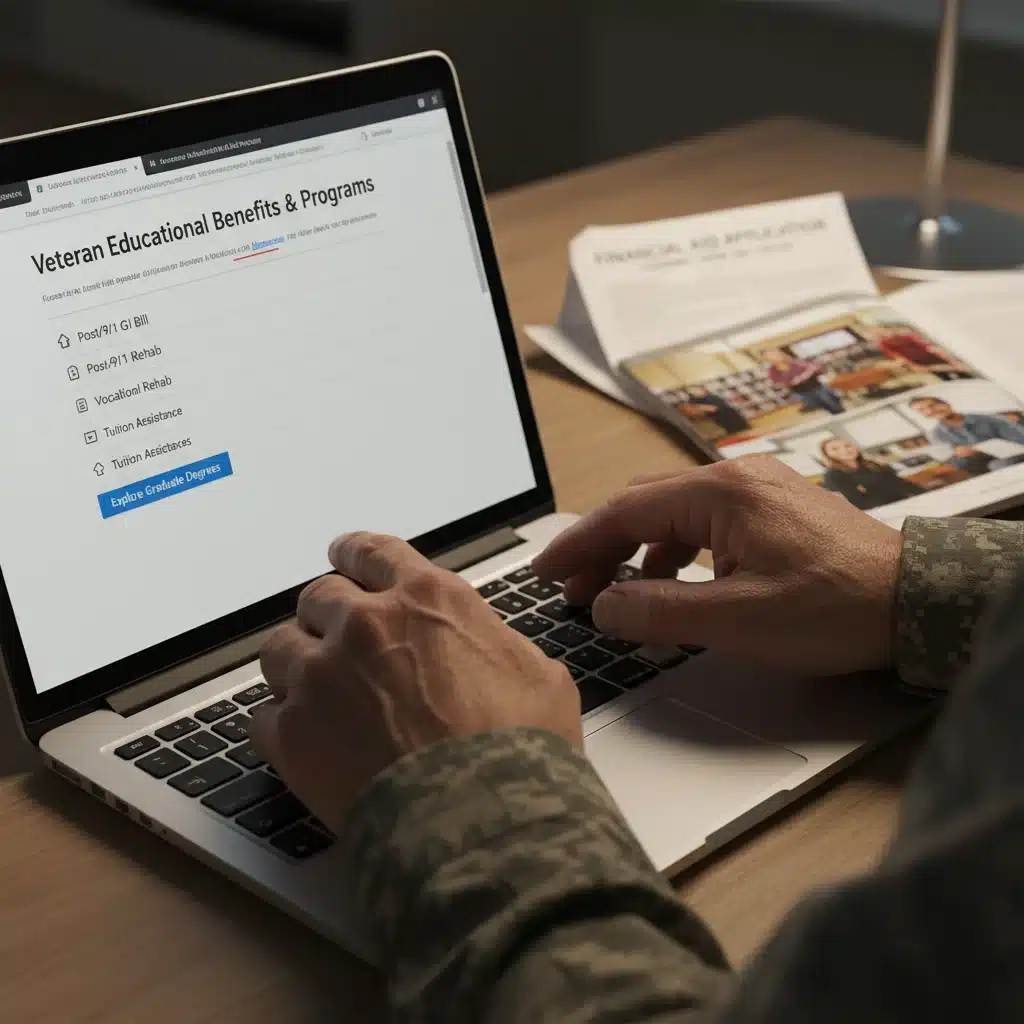
4. Understand Your Monthly Housing Allowance (MHA)
The MHA is a significant component of the 2026 GI Bill Benefits. Remember that it’s based on the BAH for an E-5 with dependents at the school’s location. For online-only students, a national average MHA applies. If you’re attending school less than half-time, your MHA will be prorated or not applicable. Plan your living expenses accordingly.
5. Utilize Additional VA Educational Programs
Beyond the Post-9/11 GI Bill, other VA educational programs might complement or offer alternatives to your 2026 GI Bill Benefits:
- Montgomery GI Bill (MGIB-AD/SR): While often superseded by the Post-9/11 GI Bill for many, some veterans may find the MGIB more advantageous in specific situations. It’s worth comparing.
- Vocational Rehabilitation and Employment (VR&E – Chapter 31): This program assists veterans with service-connected disabilities to prepare for, find, and keep suitable employment. It can cover tuition, fees, books, supplies, and provide a subsistence allowance. It’s an excellent option for those who qualify.
- Survivors’ and Dependents’ Educational Assistance (DEA – Chapter 35): Provides education and training opportunities to eligible dependents of veterans who are permanently and totally disabled due to a service-related condition or who died while on active duty or as a result of a service-related condition.
- Tuition Assistance (TA): Active-duty service members may be eligible for TA from their branch of service, which can be used in conjunction with or prior to using GI Bill benefits.
Exploring these options can enhance your overall educational funding strategy, especially when considering the scope of 2026 GI Bill Benefits.
6. Stay Organized and Keep Records
Maintain thorough records of all your VA correspondence, application forms, Certificates of Eligibility, and school enrollment documents. This will be invaluable if you encounter any issues or need to clarify your benefits. Being organized is key to a smooth experience with your 2026 GI Bill Benefits.
7. Connect with Your School’s VA Certifying Official
Every institution approved for GI Bill benefits has a VA Certifying Official. This person is your primary point of contact for all benefit-related questions, enrollment certifications, and troubleshooting. Establish a good relationship with them; they are an invaluable resource for navigating your 2026 GI Bill Benefits.
8. Understand Satisfactory Academic Progress (SAP)
To continue receiving your 2026 GI Bill Benefits, you must maintain satisfactory academic progress as defined by your institution and the VA. Failing to do so can lead to suspension or termination of benefits. Understand your school’s SAP policy and strive to meet or exceed it.
The Future of Veteran Education with 2026 GI Bill Benefits
The Post-9/11 GI Bill has already undergone significant enhancements, such as the Forever GI Bill (Harry W. Colmery Veterans Educational Assistance Act of 2017), which eliminated the 15-year delimiting date for those who left service on or after January 1, 2013, among other improvements. These progressive changes suggest a continued commitment to supporting veteran education.
As we look towards 2026, the emphasis will likely remain on providing flexible, comprehensive, and relevant educational opportunities that align with the demands of the modern workforce. The goal of the 2026 GI Bill Benefits will undoubtedly be to empower veterans to transition successfully into civilian careers, contribute to the economy, and achieve personal growth.
Anticipated Trends and Opportunities:
- Increased Access to STEM and High-Tech Training: With the rapid pace of technological advancement, expect continued emphasis on funding for science, technology, engineering, and mathematics programs, as well as specialized tech bootcamps.
- Entrepreneurial Support: The VA already supports entrepreneurship training. This area could see further development, helping veterans launch their own businesses.
- Mental Health and Wellness Integration: While not directly a benefit, there’s a growing recognition of the importance of holistic support for student veterans. Expect more resources and awareness campaigns related to mental health services available to veterans utilizing their education benefits.
Staying informed about these trends will allow you to strategically plan your educational journey and make the most of the 2026 GI Bill Benefits.
Common Pitfalls to Avoid
Even with comprehensive benefits like the GI Bill, there are common mistakes veterans can make. Be aware of these to ensure a smooth educational experience with your 2026 GI Bill Benefits:
- Not verifying VA approval: Enrolling in a program not approved by the VA can lead to significant financial burdens. Always double-check.
- Misunderstanding MHA rules: Incorrectly assuming your MHA for online-only or less-than-half-time enrollment can lead to financial shortfalls.
- Ignoring academic progress: Failing classes or dropping out without proper procedures can result in benefit overpayments that you may have to repay.
- Not utilizing all available resources: Many schools and veteran organizations offer additional scholarships, grants, and support services. Don’t leave money or help on the table.
- Waiting too long to apply: Processing times can vary, so apply early to avoid delays in receiving your benefits.

Resources for Veterans
To ensure you’re fully prepared for the 2026 GI Bill Benefits, leverage these essential resources:
- U.S. Department of Veterans Affairs (VA): The official source for all GI Bill information. Visit VA.gov/education.
- eBenefits Portal: Your personal online portal to manage your VA benefits, including checking your GI Bill entitlement.
- VA Certifying Official at Your School: Your primary contact for school-specific benefit questions and enrollment certification.
- Student Veterans of America (SVA): A national organization that provides support, resources, and advocacy for student veterans.
- State Veterans Affairs Offices: Many states offer additional benefits and resources for veterans residing in their state.
- College Financing Plan (formerly Shopping Sheet): A standardized form provided by educational institutions to help students understand their financial aid, including veteran benefits.
These resources are invaluable for navigating the complexities of your 2026 GI Bill Benefits and ensuring a successful educational journey.
Conclusion: Embracing Your Educational Future with 2026 GI Bill Benefits
The 2026 GI Bill Benefits represent a continued commitment to empowering veterans through education. By understanding the foundational elements, anticipating potential changes, and adopting a strategic approach to planning and application, you can unlock a world of academic and career opportunities. Your service has earned you these invaluable benefits; now it’s time to leverage them to build the future you envision.
Stay proactive, stay informed, and engage with the resources available to you. Your journey from military service to academic success is a testament to your dedication, and the 2026 GI Bill Benefits are designed to support you every step of the way. Embrace this opportunity, and embark on your next chapter with confidence and purpose.