How to Access 2026 Federal Work-Study Programs: Earning Up to $15 per Hour While Studying
Navigating the complexities of college finances can be one of the most daunting aspects of higher education. Tuition fees, living expenses, textbooks, and daily costs can quickly add up, often leaving students feeling overwhelmed. Fortunately, programs like the Federal Work-Study 2026 offer a vital lifeline, providing students with the opportunity to earn income while pursuing their academic goals. This comprehensive guide will walk you through everything you need to know about accessing and maximizing the 2026 Federal Work-Study program, potentially earning up to $15 per hour, all while gaining invaluable work experience.
The Federal Work-Study (FWS) program is a federally funded financial aid initiative designed to help students meet their educational expenses through part-time employment. Unlike student loans, the money earned through FWS does not need to be repaid, making it an incredibly attractive option for budget-conscious students. For the 2026 academic year, the program is expected to continue its crucial role in supporting student success, with potential hourly wages reaching up to $15 or even higher, depending on the institution and the specific role. Understanding the nuances of this program is key to unlocking its full potential.
What is Federal Work-Study and How Does it Benefit You?
At its core, Federal Work-Study is a form of financial aid that allows students to earn money to pay for educational expenses. The program encourages community service work and work related to your course of study. This means that not only are you earning money, but you’re also often gaining experience that can directly benefit your career path or contribute positively to your community. The funds are paid directly to you for the hours you work, rather than being applied directly to your tuition bill (though you can certainly use it for that).
Key Benefits of the Federal Work-Study 2026 Program:
- Earn Income: Directly helps offset college costs without incurring debt.
- Gain Experience: Many FWS jobs offer valuable professional experience relevant to your major or career interests.
- Flexible Hours: Work schedules are designed to accommodate your academic commitments, ensuring your studies remain a priority.
- Networking Opportunities: Connect with faculty, staff, and fellow students, building a professional network.
- Community Engagement: Many positions involve community service, allowing you to give back while earning.
- Improved Time Management: Balancing work and studies helps develop crucial organizational and time management skills.
The hourly wage for FWS jobs varies, but it must be at least the federal minimum wage. For 2026, many institutions and specific roles are expected to offer competitive wages, potentially up to $15 per hour or more, especially in areas with a higher cost of living or for specialized roles. This makes the Federal Work-Study 2026 program an even more appealing option for students looking to maximize their earnings.
Eligibility Requirements for Federal Work-Study 2026
To qualify for Federal Work-Study, you must meet several criteria established by the U.S. Department of Education. These requirements ensure that the aid goes to students who demonstrate financial need and are committed to their education.
General Eligibility Criteria:
- Financial Need: This is the primary requirement. Your financial need is determined by the information you provide on your Free Application for Federal Student Aid (FAFSA).
- U.S. Citizen or Eligible Non-Citizen: You must be a U.S. citizen or an eligible non-citizen with a valid Social Security number.
- Enrolled in an Eligible Program: You must be enrolled at least half-time in a degree or certificate program at an eligible college or university.
- Satisfactory Academic Progress (SAP): You must maintain satisfactory academic progress as defined by your school. This typically means maintaining a certain GPA and completing a minimum number of credits.
- No Default on Federal Student Loans: You cannot be in default on any federal student loans or owe a refund on a federal student grant.
- Selective Service Registration: If you are a male between the ages of 18 and 25, you must be registered with the Selective Service System.
It’s crucial to remember that FWS funds are limited. Not every student who qualifies for financial need will receive a Federal Work-Study offer. Schools have a finite amount of FWS funds each year, and they allocate them to eligible students based on various factors, including the date of FAFSA submission and the level of demonstrated need. Therefore, applying early is paramount.
The Application Process: How to Secure Your Federal Work-Study 2026 Position
The journey to securing a Federal Work-Study 2026 position begins with the financial aid application process. Understanding each step is vital to ensure you don’t miss out on this valuable opportunity.
Step 1: Complete the Free Application for Federal Student Aid (FAFSA)
The FAFSA is the gateway to all federal student aid, including Federal Work-Study. You should complete the FAFSA as soon as it becomes available for the 2026-2027 academic year. For most students, this means submitting the FAFSA in October 2025. The earlier you submit it, the better your chances of receiving FWS, as funds are often awarded on a first-come, first-served basis by many institutions.
- Gather Necessary Documents: Before starting, collect your Social Security number, federal tax returns, W-2s, and other income records. Dependent students will also need their parents’ financial information.
- Fill Out Accurately: Ensure all information is accurate. Errors can delay your application or lead to incorrect financial aid calculations.
- Indicate Interest in Work-Study: On the FAFSA, there will be a question asking if you are interested in Federal Work-Study. Make sure to answer ‘Yes’ to this question.

Step 2: Review Your Financial Aid Offer
After your FAFSA is processed and you’ve been accepted to a college, your school’s financial aid office will send you an award letter. This letter will detail all the federal, state, and institutional aid you are eligible for, which may include a Federal Work-Study offer. It’s crucial to read this letter carefully.
- Identify the FWS Offer: Look for a specific line item for Federal Work-Study. It will usually indicate the maximum amount you can earn through the program for the academic year.
- Accept the Offer: You will typically need to formally accept the FWS offer through your school’s financial aid portal or by returning a signed document.
- Understand Your Award Limit: The amount listed is the maximum you can earn. Your actual earnings will depend on your hourly wage and the number of hours you work.
Step 3: Search for and Apply for FWS Jobs
Accepting the FWS offer does not automatically assign you a job. You are responsible for finding and applying for positions. This process is similar to searching for any other job, but with the added benefit that these positions are specifically reserved for FWS-eligible students.
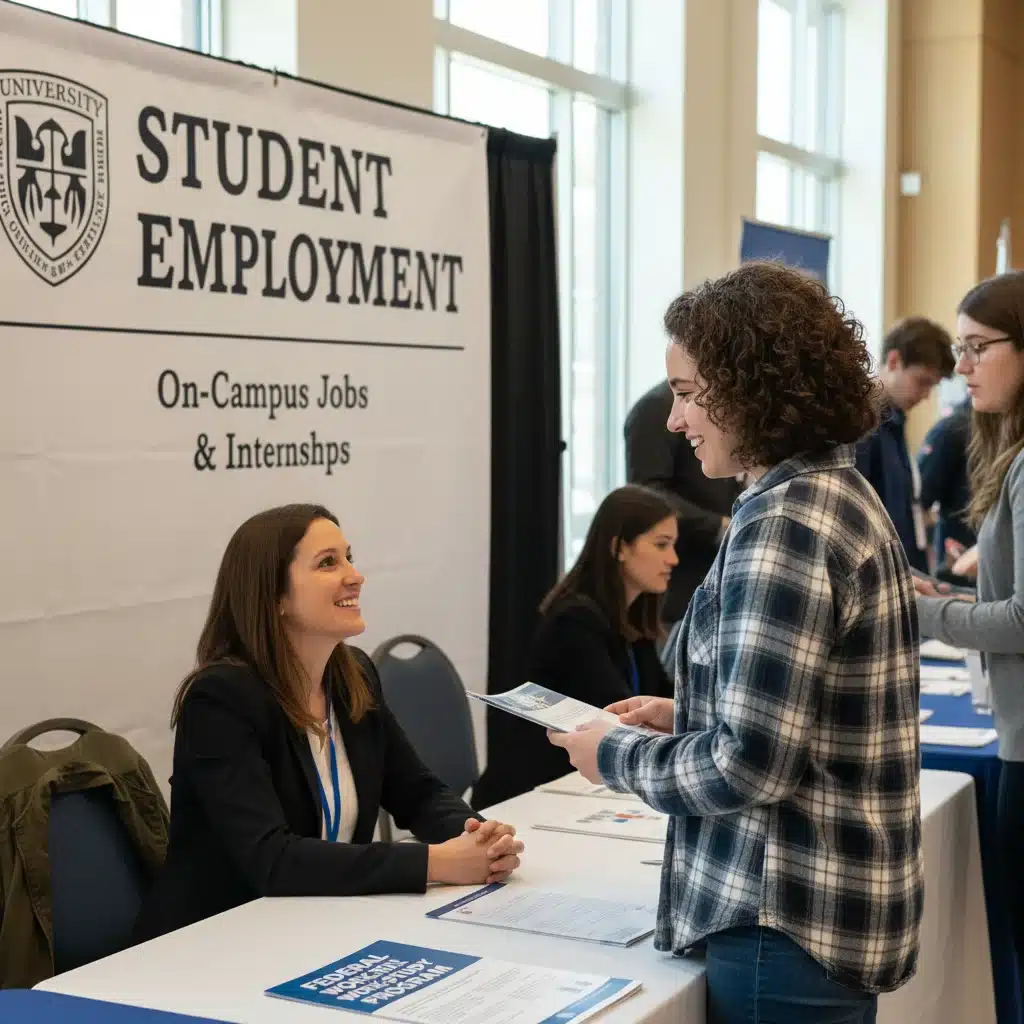
- School’s Job Board: Most colleges have an online job board or a dedicated student employment office that lists FWS positions. Start your search here.
- Departmental Opportunities: Reach out to academic departments, administrative offices, and campus facilities directly. Sometimes, jobs aren’t widely advertised but are available if you inquire.
- Community Service Opportunities: Many FWS programs emphasize community service. Look for positions with local non-profit organizations that partner with your university.
- Prepare Your Resume and Cover Letter: Even for on-campus jobs, a well-crafted resume and a tailored cover letter can make a significant difference. Highlight your skills, academic strengths, and availability.
- Interview: Be prepared for an interview. Treat it professionally, just as you would for any other job.
Job availability and types can vary greatly by institution. Some common FWS positions include library assistant, lab assistant, administrative support, tutor, research assistant, community outreach worker, and many more. The goal is often to find a job that aligns with your academic schedule and interests, making your work experience more rewarding and less of a burden.
Maximizing Your Federal Work-Study 2026 Experience
Once you’ve secured a Federal Work-Study 2026 position, there are several strategies you can employ to make the most of the experience, both financially and professionally.
Understanding Your Work-Study Award and Pay Structure
Your FWS award specifies the maximum amount you can earn. It’s not a guarantee of that amount, but rather a ceiling. Your actual earnings will depend on your hourly wage and the number of hours you work. For example, if your award is $3,000 for the academic year and you earn $15 per hour, you would need to work 200 hours over the year (approximately 6-7 hours per week during a 30-week academic year) to reach your maximum award.
- Track Your Hours: Keep a close eye on the hours you work to ensure you don’t exceed your award limit. Your supervisor should also help monitor this.
- Understand Pay Periods: Know when and how you will be paid. FWS earnings are typically paid bi-weekly or monthly, just like a regular paycheck.
- Budget Your Earnings: Plan how you will use your earnings. Whether it’s for textbooks, food, transportation, or personal expenses, having a budget will help you manage your money effectively.
Balancing Work and Academics
The primary purpose of college is to learn. FWS jobs are designed to be flexible to accommodate your academic schedule. However, it still requires careful planning and discipline to excel in both areas.
- Communicate with Your Supervisor: Be open about your academic commitments. If you have a big exam or project due, discuss adjustments to your work schedule in advance.
- Create a Schedule: Block out time for classes, studying, and work. Stick to your schedule as much as possible.
- Prioritize: Understand that there will be times when academics must take precedence over work, and vice-versa for brief periods. Learn to prioritize effectively.
- Avoid Overworking: While earning money is important, don’t take on too many hours if it jeopardizes your academic performance. Most FWS positions cap weekly hours to prevent this.
Leveraging Your Work-Study Experience for Future Success
A Federal Work-Study 2026 position is more than just a paycheck; it’s an opportunity for professional development. Treat it as such.
- Develop Transferable Skills: Identify the skills you are developing (e.g., communication, organization, problem-solving, technical skills) and be ready to articulate them.
- Network: Build relationships with your supervisor, colleagues, and others you interact with through your job. These connections can be invaluable for future internships, jobs, or references.
- Seek Mentorship: If your supervisor or a colleague is in a field that interests you, consider asking them for advice or mentorship.
- Update Your Resume: Regularly update your resume with your FWS experience, highlighting achievements and responsibilities.
Common Questions and Misconceptions About Federal Work-Study
Despite its long-standing presence, many students still have questions or hold misconceptions about the Federal Work-Study program. Addressing these can help clarify the program’s benefits and limitations.
Is Federal Work-Study Taxable?
Yes, money earned through Federal Work-Study is considered taxable income. It is subject to federal and state income tax, though it’s typically exempt from FICA taxes (Social Security and Medicare) if you are enrolled at least half-time and are primarily a student. You will receive a W-2 form from your employer (the university or partnering organization) at the end of the year, which you’ll use to file your taxes.
Does Work-Study Count Against Future Financial Aid?
Generally, no. When you fill out your FAFSA for subsequent years, the income you earned through Federal Work-Study is usually excluded from the calculation of your Expected Family Contribution (EFC). This is a significant advantage, as it means earning money through FWS won’t negatively impact your eligibility for other federal student aid in the following academic year. This policy is designed to encourage students to work and help pay for their education without penalty.
What if I Don’t Use My Full Work-Study Award?
If you don’t work enough hours to earn your full Federal Work-Study award, the unused portion simply expires. It cannot be converted into a grant or loan, nor can it be carried over to the next academic year. This is why it’s important to actively seek out and maintain a FWS position that allows you to earn as much of your award as possible, within the limits of your academic schedule.
Can I Have More Than One Work-Study Job?
This depends on your institution’s policies and the total amount of your FWS award. Some schools allow students to hold multiple FWS positions as long as the combined earnings do not exceed the total award amount. However, managing multiple jobs can be challenging alongside your studies, so it’s essential to assess your capacity carefully.
What if I Can’t Find a Work-Study Job?
Finding a FWS job can sometimes be competitive. If you’re struggling to secure a position, consider the following:
- Expand Your Search: Look beyond the obvious roles and departments.
- Network: Talk to faculty, staff, and other students. They might know of unadvertised openings.
- Revisit the Financial Aid Office: They may have additional resources or advice.
- Consider Other On-Campus Jobs: If FWS isn’t an option, many universities offer non-FWS student employment opportunities, though these might not have the same financial aid benefits.
Financial Management Strategies for Work-Study Students
Earning money through Federal Work-Study 2026 is a fantastic step towards financial independence, but knowing how to manage those earnings is equally important. Effective financial management can help you stretch your dollars further and avoid unnecessary stress.
Creating a Budget
A budget is your roadmap for financial success. It helps you understand where your money comes from and where it goes.
- Track Income: Note your FWS earnings, any other income sources (e.g., parental contributions, scholarships), and when they are expected.
- List Expenses: Categorize your expenses into fixed (rent, tuition payments, loan payments) and variable (food, entertainment, transportation, personal care).
- Allocate Funds: Assign portions of your income to different expense categories. Be realistic about your spending habits.
- Review Regularly: Life changes, and so should your budget. Review it monthly to ensure it still aligns with your financial goals.
Saving and Investing (Even a Little Bit)
It might seem impossible to save while in college, but even small amounts can add up over time.
- Emergency Fund: Aim to set aside a small emergency fund for unexpected expenses (e.g., medical emergencies, car repairs).
- Future Goals: Save for specific goals, like a new laptop, study abroad, or even post-graduation expenses.
- Automate Savings: If possible, set up an automatic transfer from your checking to a savings account each time you get paid.
Smart Spending Habits
- Cook at Home: Eating out frequently can quickly deplete your funds. Learn to cook simple, affordable meals.
- Student Discounts: Always ask about student discounts. Many businesses offer them, from software to transportation.
- Used Textbooks: Buy used textbooks or rent them instead of purchasing new ones.
- Limit Impulse Buys: Give yourself a 24-hour rule before making non-essential purchases.
Looking Ahead: Federal Work-Study Beyond 2026
The Federal Work-Study program has been a cornerstone of federal financial aid for decades, and its importance is unlikely to diminish. While specific regulations and funding levels can change from year to year, the core mission of providing students with opportunities to earn while they learn remains constant.
As you plan for your academic future, keep an eye on federal student aid updates. The landscape of financial aid is dynamic, and staying informed is your best defense against unexpected changes. Continue to complete your FAFSA annually, well before deadlines, and maintain open communication with your school’s financial aid office. They are your primary resource for understanding your eligibility and navigating the application process for the Federal Work-Study 2026 program and beyond.
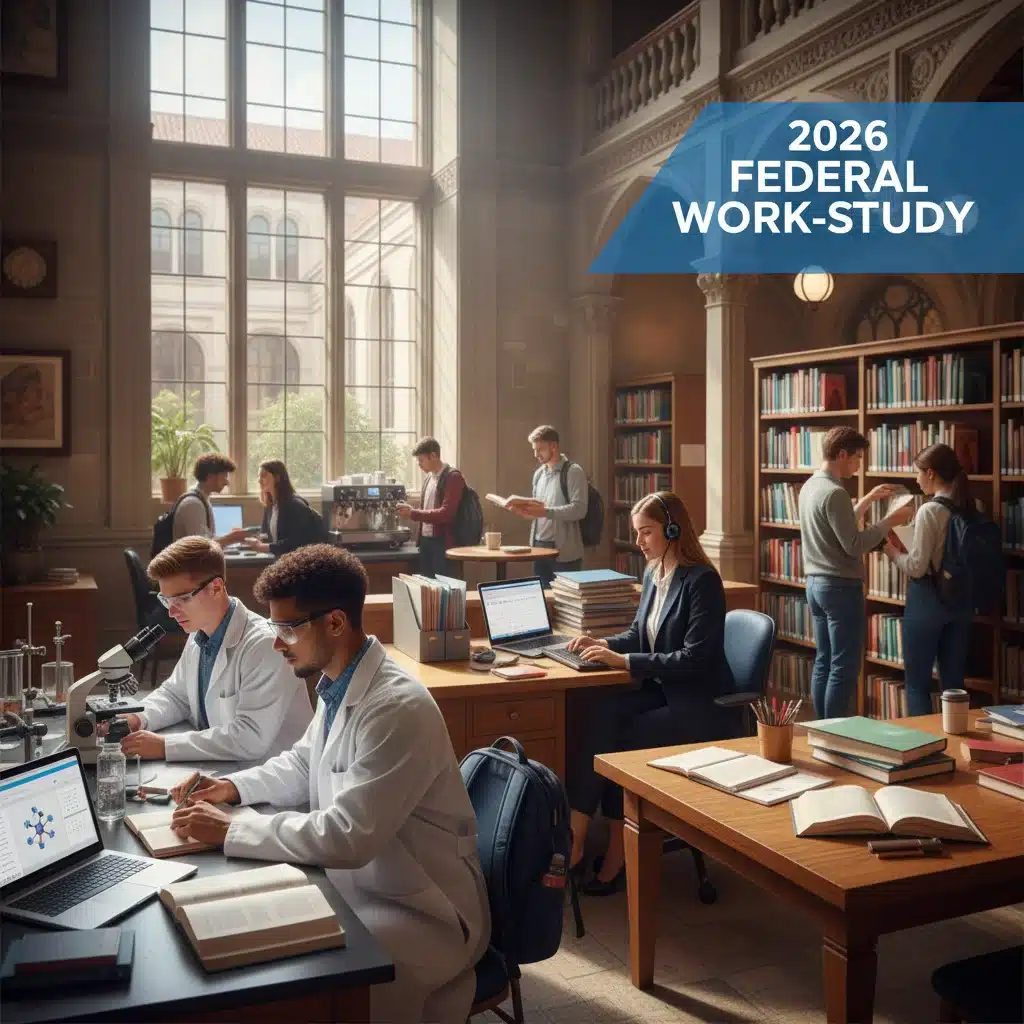
The experience gained through FWS, whether it’s in a lab, a library, an administrative office, or a community center, is invaluable. It not only helps alleviate financial pressure but also builds a foundation of professional skills, work ethic, and a network that will serve you well long after graduation. Embrace the opportunity, work diligently, and leverage every aspect of your Federal Work-Study experience to pave the way for a successful academic and professional future.
Conclusion: Your Path to Earning and Learning with Federal Work-Study 2026
The prospect of earning up to $15 per hour or more through the Federal Work-Study 2026 program while pursuing your education is a significant advantage for any college student. This guide has outlined the essential steps from understanding eligibility and completing the FAFSA to securing a job and managing your finances effectively. Remember, early application, diligent job searching, and proactive financial management are the keys to maximizing this incredible opportunity.
Don’t let financial concerns derail your academic aspirations. The Federal Work-Study program is designed to empower you, providing not just income, but also meaningful work experience that complements your studies and prepares you for your career. Take the initiative, follow these steps, and unlock the full potential of Federal Work-Study for the 2026 academic year. Your future self will thank you.