US Engagement in ASEAN 2026: Economic Partnerships & Regional Stability Outlook
US Engagement in ASEAN 2026: A Strategic Outlook on Economic Partnerships and Regional Stability
The Association of Southeast Asian Nations (ASEAN) stands at the geopolitical and geoeconomic crossroads of the 21st century. Comprising ten diverse nations, ASEAN represents a dynamic region with a collective GDP projected to be the fourth largest in the world by 2030. Its strategic importance, coupled with its rapid economic growth, makes it a critical partner for global powers, especially the United States. As we look towards 2026, understanding the trajectory of US ASEAN engagement becomes paramount. This article provides a comprehensive strategic outlook on the evolving nature of economic partnerships and the pursuit of regional stability in Southeast Asia, highlighting the multifaceted approach the US is likely to adopt.
The Biden administration has consistently emphasized the Indo-Pacific as a priority region, and ASEAN is a cornerstone of this strategy. The overarching goal of US ASEAN engagement is to foster a free and open Indo-Pacific, promote economic prosperity, strengthen democratic values, and enhance regional security. By 2026, we can anticipate a deepening of these commitments, driven by both opportunities and challenges present in the region.
The Economic Imperative: Strengthening Trade and Investment Ties
Economic cooperation remains a central pillar of US ASEAN engagement. The United States is a significant trading partner and investor in ASEAN, and this relationship is poised for further expansion. By 2026, several key economic trends and initiatives will likely define this partnership.
Diversifying Supply Chains and Resilience
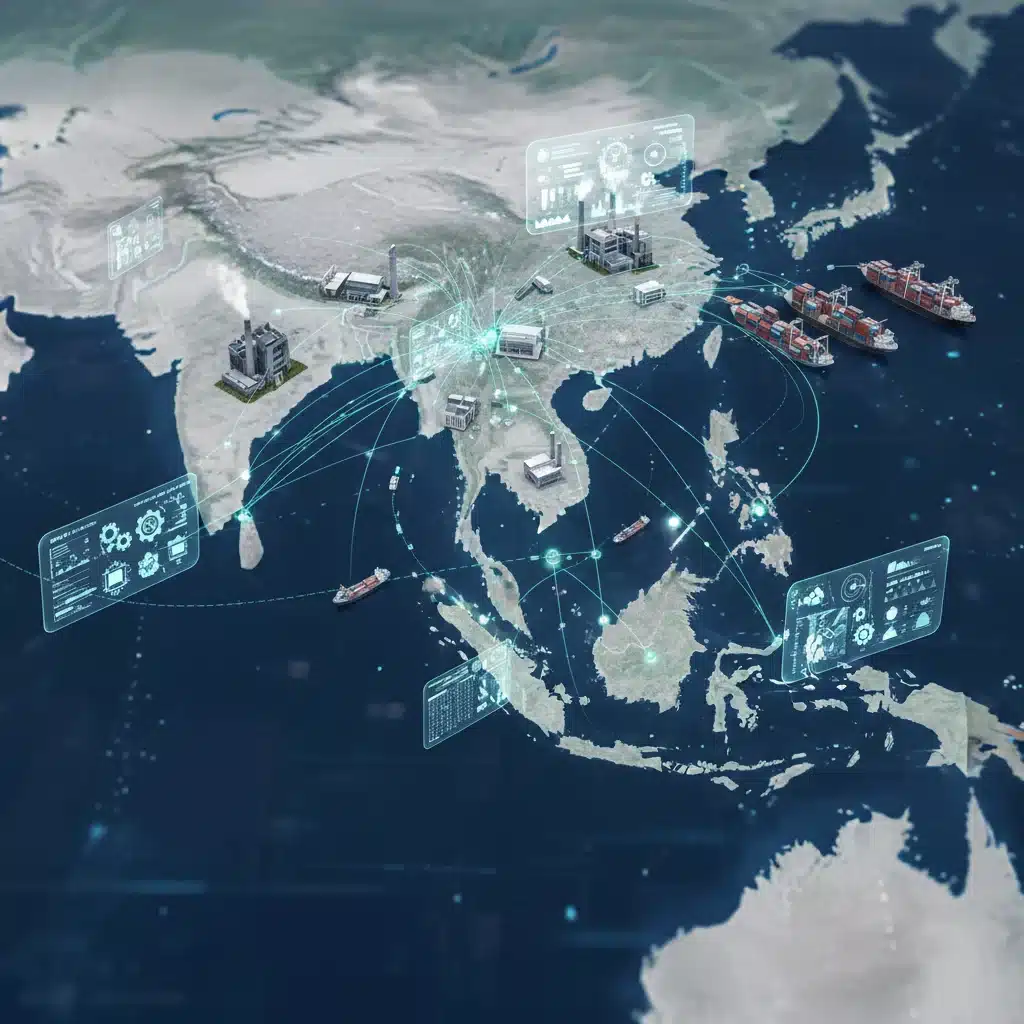
The COVID-19 pandemic exposed vulnerabilities in global supply chains, prompting a renewed focus on resilience and diversification. ASEAN, with its robust manufacturing base and strategic location, is a prime candidate for companies looking to de-risk their operations. The US will likely continue to incentivize American companies to invest in ASEAN nations, particularly in sectors critical for national security and economic stability, such as semiconductors, pharmaceuticals, and renewable energy components. This push for supply chain diversification will not only benefit ASEAN economies through increased foreign direct investment (FDI) and job creation but also strengthen the US’s economic security.
Digital Economy and Innovation
The digital transformation sweeping across Southeast Asia presents immense opportunities for collaboration. ASEAN’s digital economy is projected to reach significant valuations by 2025, driven by a young, tech-savvy population and increasing internet penetration. The US, with its leading technology companies and expertise, is well-positioned to partner with ASEAN in developing digital infrastructure, fostering innovation, and addressing digital divides. Initiatives promoting cybersecurity, data governance, and e-commerce platforms will be central to this aspect of US ASEAN engagement. We can expect increased technical assistance, capacity building programs, and private sector partnerships aimed at accelerating ASEAN’s digital growth.
Infrastructure Development and Sustainable Growth
Infrastructure development is a critical need across ASEAN, with significant investment gaps. The US, through initiatives like the Build Back Better World (B3W) partnership and more recently the Partnership for Global Infrastructure and Investment (PGII), aims to provide a credible alternative to other infrastructure financing models. By 2026, the focus will be on funding high-quality, transparent, and sustainable infrastructure projects that adhere to international labor and environmental standards. This includes investments in renewable energy, smart cities, and resilient transportation networks. Such projects not only address ASEAN’s development needs but also align with global climate goals and promote long-term economic stability.
Trade Facilitation and Market Access
While the US withdrew from the Trans-Pacific Partnership (TPP), it has sought to deepen economic ties with ASEAN through other mechanisms. The Indo-Pacific Economic Framework for Prosperity (IPEF), launched in 2022, is a key vehicle for this. IPEF aims to address critical economic issues through four pillars: trade, supply chains, clean energy/decarbonization, and tax/anti-corruption. By 2026, we anticipate concrete outcomes from IPEF negotiations, leading to enhanced trade facilitation, improved market access for US goods and services, and stronger regulatory alignment. This framework is designed to be flexible and inclusive, allowing ASEAN members to opt into pillars that best suit their national interests, thereby strengthening the overall US ASEAN engagement.
Regional Stability: Addressing Security Challenges and Promoting Peace
Beyond economic considerations, regional stability is a cornerstone of US ASEAN engagement. The Indo-Pacific faces a complex security landscape, marked by territorial disputes, rising geopolitical tensions, and non-traditional security threats. The US aims to be a reliable security partner, supporting ASEAN centrality and its role as a regional convener.
Maritime Security and Freedom of Navigation
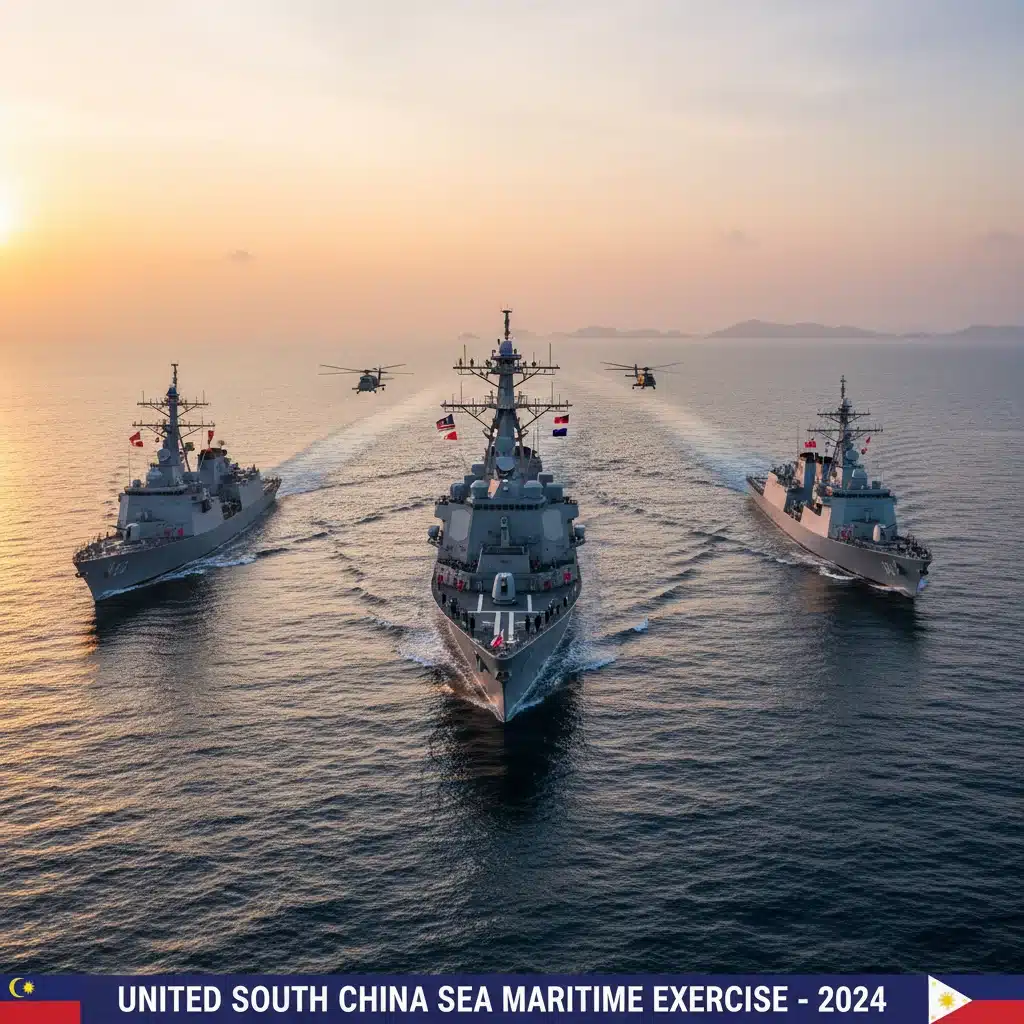
The South China Sea remains a flashpoint in the region, with competing territorial claims and increasing militarization. The US consistently advocates for freedom of navigation and overflight, adherence to international law, and peaceful resolution of disputes. By 2026, expect continued US naval presence, joint exercises with ASEAN partners, and capacity-building initiatives aimed at enhancing maritime domain awareness and law enforcement capabilities. These efforts are crucial for deterring aggression, protecting vital sea lanes, and ensuring regional stability. The US will also likely support ASEAN’s efforts to finalize a meaningful Code of Conduct in the South China Sea.
Counter-Terrorism and Transnational Crime
Southeast Asia continues to grapple with the threats of terrorism, cybercrime, and human trafficking. The US provides significant assistance to ASEAN nations in combating these transnational threats through intelligence sharing, training programs, and joint operations. By 2026, this cooperation will intensify, particularly in areas of cyber security capacity building, anti-money laundering efforts, and intelligence fusion centers. The goal is to strengthen ASEAN’s collective capabilities to counter evolving security challenges and protect its citizens.
Humanitarian Assistance and Disaster Relief (HADR)
ASEAN is highly vulnerable to natural disasters, including typhoons, earthquakes, and tsunamis. The US has a long history of providing humanitarian assistance and disaster relief (HADR) to the region. This cooperation is not only a demonstration of goodwill but also a critical component of regional stability. By 2026, we can expect continued joint HADR exercises, pre-positioning of relief supplies, and enhanced coordination mechanisms to ensure rapid and effective responses to future crises. These efforts build trust and interoperability among military and civilian agencies.
Strengthening Defense Partnerships and Interoperability
The US maintains bilateral defense alliances and partnerships with several ASEAN member states, including the Philippines, Thailand, Singapore, and Vietnam. These relationships are crucial for regional security. By 2026, the US will likely seek to deepen these partnerships through increased military exercises, technology transfers, and defense dialogues. The aim is to enhance the interoperability of forces, improve defensive capabilities, and promote a rules-based international order. This approach supports ASEAN centrality by empowering individual nations to contribute to their own and regional security.
Diplomatic Engagement and Multilateralism
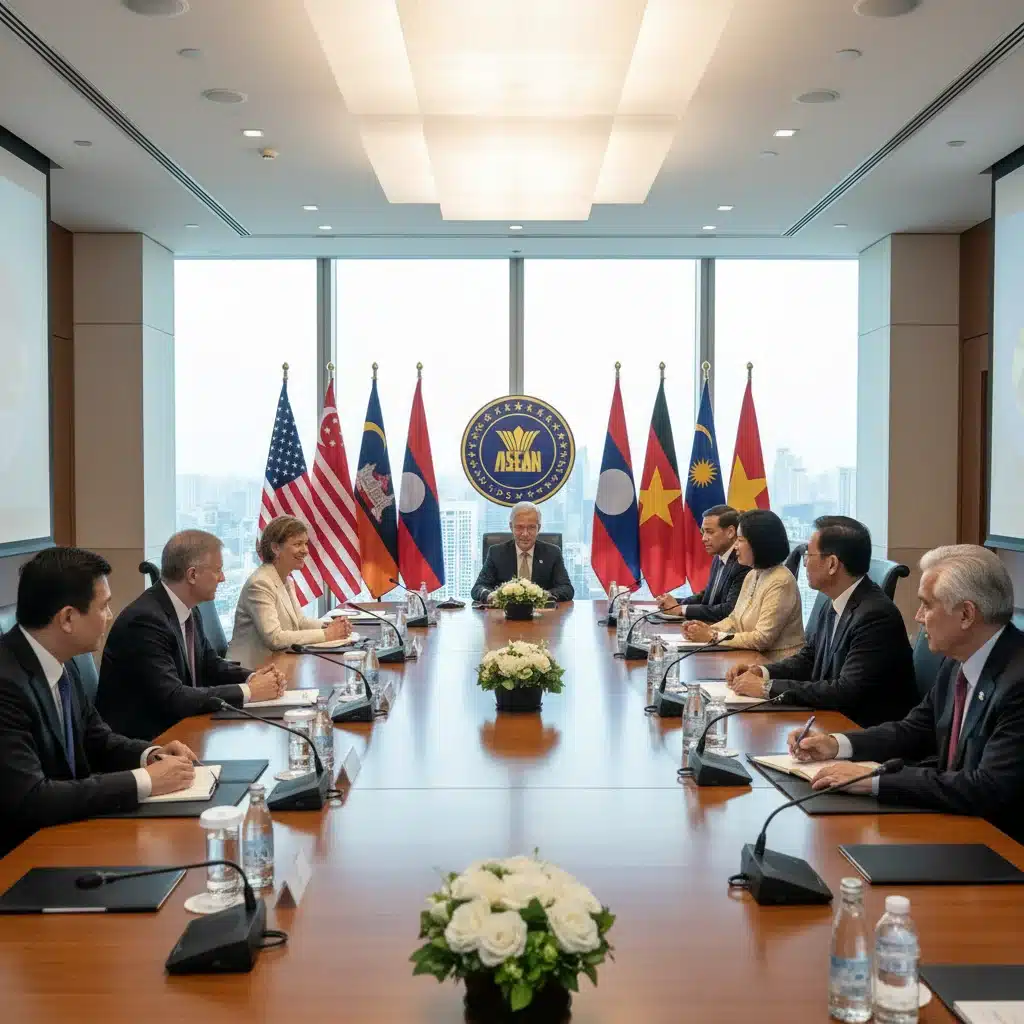
ASEAN centrality is a core principle of US policy in Southeast Asia. The US recognizes ASEAN’s role as the primary regional architecture and actively participates in ASEAN-led mechanisms, including the East Asia Summit (EAS), the ASEAN Regional Forum (ARF), and the ASEAN Defense Ministers’ Meeting-Plus (ADMM-Plus).
High-Level Dialogues and Summits
By 2026, expect continued high-level engagement between US and ASEAN leaders. Regular summits, ministerial meetings, and senior official dialogues will serve as platforms for addressing pressing regional and global issues. These interactions are vital for building trust, fostering mutual understanding, and coordinating policy responses. The US will continue to advocate for ASEAN’s consensus-based decision-making process and its efforts to promote regional cohesion.
People-to-People Ties and Cultural Exchange
Beyond government-to-government relations, people-to-people ties are fundamental to strengthening US ASEAN engagement. Educational exchanges, cultural programs, and youth leadership initiatives play a crucial role in building lasting relationships. By 2026, we anticipate an expansion of programs like the Young Southeast Asian Leaders Initiative (YSEALI), which empowers emerging leaders and fosters a sense of shared community. These initiatives contribute to a deeper understanding between the American and Southeast Asian publics, laying the groundwork for future cooperation.
Addressing Transnational Challenges Collaboratively
The US and ASEAN share common interests in addressing a range of transnational challenges, including climate change, global health security, and food security. By 2026, collaborative efforts in these areas will likely intensify. This includes sharing best practices, conducting joint research, and coordinating policy responses. For instance, in climate change, the US can offer expertise in renewable energy technologies and climate adaptation strategies, while ASEAN can contribute valuable insights from its diverse ecological zones.
Challenges and Opportunities for US ASEAN Engagement
While the outlook for US ASEAN engagement by 2026 appears robust, several challenges and opportunities will shape its trajectory.
Geopolitical Competition
The growing geopolitical competition in the Indo-Pacific, particularly with China, presents both challenges and opportunities. The US aims to offer ASEAN nations a choice, not a ultimatum, in their external partnerships. By 2026, the US will continue to emphasize its commitment to a rules-based order, transparency, and respect for sovereignty, providing an alternative model for engagement. This competition also creates an opportunity for ASEAN to leverage its centrality and secure beneficial partnerships from multiple global powers.
Internal ASEAN Dynamics
ASEAN’s diversity, while a strength, can also present challenges to collective action. Internal political developments, varying levels of economic development, and differing foreign policy orientations among member states can impact the pace and scope of cooperation with external partners. The US will need to maintain a nuanced and flexible approach, recognizing the unique circumstances of each ASEAN member.
The Myanmar Crisis
The ongoing crisis in Myanmar remains a significant challenge for ASEAN and the international community. The US has consistently called for a return to democracy and accountability for human rights abuses. By 2026, the US will likely continue to support ASEAN’s efforts to address the crisis through its Five-Point Consensus, while also maintaining pressure on the military junta through sanctions and diplomatic isolation. The resolution of this crisis is crucial for the credibility and effectiveness of ASEAN as a regional body.
Technological Advancements and Ethical Considerations
Rapid technological advancements, while offering immense benefits, also raise ethical concerns regarding artificial intelligence, surveillance, and data privacy. The US and ASEAN will need to collaborate on developing norms and standards for responsible technology governance. By 2026, dialogues on these issues will become increasingly important to ensure that technological progress benefits all and upholds democratic values.
Conclusion: A Future of Deepened Partnership
By 2026, US ASEAN engagement is poised for a period of deepened partnership, characterized by robust economic ties, enhanced regional stability, and strong diplomatic cooperation. The United States recognizes ASEAN’s critical role in maintaining peace and prosperity in the Indo-Pacific and is committed to being a reliable and enduring partner. Through initiatives focused on resilient supply chains, digital transformation, sustainable infrastructure, and comprehensive security cooperation, the US aims to empower ASEAN nations and support their collective aspirations.
While challenges such as geopolitical competition and internal dynamics within ASEAN will persist, the strategic imperative for strong US ASEAN engagement will only grow. The shared vision of a free, open, connected, prosperous, resilient, and secure Indo-Pacific will continue to guide efforts to build a more stable and prosperous future for both the United States and the dynamic nations of Southeast Asia. The commitment to ASEAN centrality and a rules-based international order will remain the bedrock of this crucial relationship, ensuring that the region can navigate its complex future with confidence and collaboration.