US Small Business Outlook 2026: Key Government Support Programs

US Small Business Outlook 2026: Navigating Growth with Government Support
As we edge closer to 2026, the landscape for small businesses in the United States continues to evolve at a rapid pace. Entrepreneurs and aspiring business owners are constantly seeking clarity on what the future holds, particularly concerning economic trends, technological advancements, and, crucially, the availability of governmental support. The small business outlook 2026 is shaped by a confluence of factors, ranging from inflation and interest rates to labor market dynamics and global economic shifts. Understanding these elements, coupled with a strategic awareness of federal and state programs, is paramount for sustainable growth and success.
Small businesses are the backbone of the American economy, driving innovation, creating jobs, and fostering local community development. Their resilience and adaptability have been tested repeatedly, particularly in recent years. However, with challenges come opportunities, and the foresight to leverage available resources can make all the difference. This comprehensive guide will delve into the projected small business outlook 2026, examining key economic indicators and, most importantly, spotlighting four critical government support programs designed to empower small enterprises across the nation.
The coming years are expected to bring a mix of continued innovation and persistent economic pressures. Businesses will need to remain agile, embracing digital transformation, sustainable practices, and strategic workforce development. Government initiatives play a vital role in cushioning economic shocks, stimulating investment, and providing the necessary infrastructure for small businesses to thrive. By understanding and utilizing these programs, small business owners can not only navigate the challenges but also capitalize on emerging opportunities, setting themselves up for a prosperous 2026 and beyond.
The Economic Landscape for Small Businesses in 2026
Forecasting the small business outlook 2026 requires a careful analysis of several macroeconomic factors. While predictions are inherently uncertain, current trends and expert analyses offer valuable insights into the potential operating environment for small enterprises.
Inflation and Interest Rates
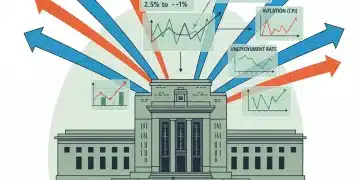
Inflation has been a significant concern for businesses and consumers alike. While there are signs of moderation, the Federal Reserve’s actions to control inflation through interest rate hikes will continue to influence borrowing costs for small businesses. In 2026, we can expect a more stable, albeit potentially higher, interest rate environment compared to pre-pandemic levels. This means businesses will need to be strategic about their financing, making government-backed loans even more attractive due to their often favorable terms.
Labor Market Dynamics
The labor market is another critical component of the small business outlook 2026. While unemployment rates have remained low, many small businesses still face challenges in attracting and retaining skilled talent. Wage pressures may persist, requiring businesses to optimize their compensation and benefits packages. Automation and AI integration are likely to become more prevalent as businesses seek to enhance productivity and mitigate labor shortages. Government programs that support workforce training and development can be invaluable in addressing these challenges.
Technological Advancements and Digital Transformation
The pace of technological change shows no signs of slowing down. For the small business outlook 2026, digital transformation will not just be an advantage but a necessity. Cloud computing, cybersecurity, e-commerce platforms, and data analytics will continue to be critical for operational efficiency, customer engagement, and competitive differentiation. Small businesses that embrace these technologies will be better positioned for growth, while those that lag may struggle to keep up. Government initiatives often provide resources and grants for technology adoption.
Supply Chain Resilience
Recent global events have highlighted the vulnerabilities in supply chains. In 2026, small businesses will likely prioritize building more resilient and diversified supply networks. This might involve sourcing more locally, investing in inventory management technologies, or forming strategic partnerships. Government programs aimed at strengthening domestic manufacturing and supply chains could offer significant benefits to small businesses in this area.
Consumer Spending and Market Trends
Consumer spending patterns will continue to be a key driver for many small businesses. The small business outlook 2026 suggests a continued shift towards personalized experiences, sustainable products, and convenience. Businesses that can adapt to these evolving consumer preferences and offer unique value propositions will be well-positioned. Understanding local market nuances and leveraging community engagement will also remain crucial.
Four Key Government Support Programs for Small Businesses in 2026
Government support is a cornerstone for fostering a robust small business ecosystem. For the small business outlook 2026, several programs will continue to be instrumental in providing financial assistance, advisory services, and contracting opportunities. Here are four key programs every small business owner should be aware of:
1. Small Business Administration (SBA) Loan Programs
The U.S. Small Business Administration (SBA) is perhaps the most well-known federal agency dedicated to supporting small businesses. Its loan programs are designed to help businesses secure financing when they might not qualify for conventional loans. These programs don’t directly lend money but instead guarantee a portion of loans made by commercial lenders, reducing the risk for banks and making them more willing to lend to small businesses. The small business outlook 2026 will see these programs remain vital for capital access.
SBA 7(a) Loan Program
The 7(a) Loan Program is the SBA’s primary program for providing financial assistance to small businesses. It offers a wide range of loan types and amounts, making it flexible for various business needs. Funds can be used for working capital, equipment purchases, real estate acquisition, business acquisition, and more. Key features include:
- Loan Amounts: Up to $5 million.
- Repayment Terms: Typically up to 10 years for working capital and equipment, and up to 25 years for real estate.
- Interest Rates: Negotiated between the borrower and lender, but subject to SBA maximums, often making them more competitive than conventional loans.
- Eligibility: Based on factors like credit history, business plan viability, and ability to repay.
For the small business outlook 2026, the 7(a) program will continue to be a go-to for businesses seeking flexible funding for expansion or operational needs.
SBA 504 Loan Program
The 504 Loan Program provides long-term, fixed-rate financing for major fixed assets, such as purchasing or renovating commercial real estate, or acquiring heavy machinery and equipment. This program is typically used for growth and expansion projects. It involves a partnership between the small business, a Certified Development Company (CDC), and a private sector lender. Benefits include:
- Low Down Payments: Often as low as 10% from the borrower.
- Long Repayment Terms: Up to 20 or 25 years, helping to reduce monthly payments.
- Fixed Interest Rates: Providing stability and predictability in budgeting.
Businesses planning significant capital investments in 2026 should seriously consider the 504 program to preserve working capital and secure favorable terms.
SBA Microloan Program
Designed for very small businesses and startups, the Microloan Program provides loans up to $50,000. These loans are often administered through non-profit community-based organizations that also provide business counseling and technical assistance. This program is particularly beneficial for:
- Startups needing initial capital.
- Businesses in underserved communities.
- Entrepreneurs needing smaller sums for inventory, supplies, or equipment.
The Microloan Program will be crucial for fostering new entrepreneurship and supporting niche markets as part of the positive small business outlook 2026.

2. Federal and State Grant Programs
Unlike loans, grants do not need to be repaid, making them an incredibly attractive form of funding. While competitive and often specialized, grants can provide significant capital for specific projects, research and development, or businesses in targeted industries. The small business outlook 2026 suggests continued emphasis on grants for innovation and underserved sectors.
Small Business Innovation Research (SBIR) and Small Business Technology Transfer (STTR) Programs
These programs are often referred to as ‘America’s Seed Fund’ and are highly competitive. They encourage small businesses to engage in federal research and development (R&D) that has the potential for commercialization. Eleven federal agencies participate, including the Department of Defense, NIH, and NASA. Key aspects include:
- Phased Funding: Typically awarded in phases, starting with feasibility studies and progressing to prototype development and commercialization.
- High-Tech Focus: Geared towards businesses involved in cutting-edge technology and scientific research.
- Non-Dilutive Funding: Businesses retain full ownership of their intellectual property.
For tech-driven small businesses, these grants will be a cornerstone of their growth strategy in the small business outlook 2026.
Grants for Specific Industries or Demographics
Many federal and state agencies offer grants tailored to specific industries (e.g., agriculture, renewable energy, healthcare) or demographic groups (e.g., women-owned businesses, veteran-owned businesses, minority-owned businesses). These grants often aim to stimulate economic activity in particular sectors or promote diversity in entrepreneurship. Resources like Grants.gov and state economic development websites are excellent starting points for identifying these opportunities.
3. Government Contracting Opportunities
The U.S. government is the world’s largest buyer of goods and services, spending hundreds of billions of dollars annually. Small businesses can tap into this massive market through various contracting programs designed to ensure a fair share of federal contracts goes to small enterprises. This will remain a significant opportunity in the small business outlook 2026.
Set-Aside Programs
The SBA oversees several set-aside programs that reserve certain government contracts exclusively for small businesses, or specific categories of small businesses. These include:
- Small Business Set-Asides: A significant percentage of federal contracts are set aside for small businesses.
- 8(a) Business Development Program: For socially and economically disadvantaged small businesses.
- HUBZone Program: For small businesses located in historically underutilized business zones.
- Women-Owned Small Business (WOSB) Program: For businesses that are at least 51% owned and controlled by women.
- Service-Disabled Veteran-Owned Small Business (SDVOSB) Program: For businesses at least 51% owned and controlled by service-disabled veterans.
Participating in these programs requires certification and a thorough understanding of federal procurement processes. However, the rewards can be substantial, providing stable revenue streams and opportunities for significant growth. The small business outlook 2026 for government contractors remains strong as agencies continue to meet their small business contracting goals.
Subcontracting Opportunities
Even if a small business isn’t ready to be a prime contractor, there are numerous subcontracting opportunities. Larger federal contractors are often required to subcontract a certain percentage of their work to small businesses. Networking with prime contractors and registering in federal contractor databases (like the System for Award Management, SAM.gov) are crucial steps.
4. Tax Incentives and Credits
Beyond direct financial assistance, the government offers various tax incentives and credits that can significantly reduce a small business’s tax burden, freeing up capital for investment and growth. Keeping abreast of these changes is key for the small business outlook 2026.
Research and Development (R&D) Tax Credit
The R&D tax credit incentivizes businesses of all sizes to conduct research and development activities within the U.S. This credit can be applied against payroll taxes for eligible small businesses, making it particularly beneficial for startups and those in innovative sectors. Activities that qualify often involve developing new products, processes, or software, or improving existing ones. Small businesses should consult with a tax professional to determine eligibility and maximize this credit.
Small Business Health Care Tax Credit
This credit helps eligible small employers provide health insurance coverage to their employees. To qualify, a business must have fewer than 25 full-time equivalent employees, pay average annual wages below a certain threshold, and contribute at least 50% of the cost of employee health insurance premiums. This credit can offset a significant portion of healthcare costs, which is a major expense for many small businesses.
Work Opportunity Tax Credit (WOTC)
The WOTC is a federal tax credit available to employers who hire individuals from certain target groups who have consistently faced significant barriers to employment. These groups include veterans, ex-felons, long-term unemployment recipients, and individuals receiving certain public assistance. This credit not only provides a tax benefit but also encourages businesses to contribute to social good by offering opportunities to those who need them most.
Local and State Tax Incentives
Beyond federal programs, many state and local governments offer their own array of tax incentives to attract and retain small businesses. These can include property tax abatements, sales tax exemptions for certain equipment, or credits for job creation or investment in specific areas. Staying informed about local economic development agencies is crucial for uncovering these benefits, which can significantly enhance the small business outlook 2026 in specific regions.

Preparing Your Small Business for 2026
Leveraging government support programs is just one piece of the puzzle for a successful small business outlook 2026. Entrepreneurs must also focus on internal strategies to ensure their businesses are resilient, adaptable, and poised for growth.
Strategic Planning and Adaptability
Regularly reviewing and updating your business plan is essential. The economic environment is dynamic, and businesses that can adapt quickly to changing market conditions, consumer demands, and technological shifts will be more successful. Scenario planning, where you consider different future possibilities, can help prepare for various economic landscapes.
Financial Management and Cash Flow
Robust financial management is always critical, but even more so in an environment of potential economic fluctuations. Maintaining healthy cash flow, managing debt prudently, and exploring diverse funding options (including government loans and grants) are paramount. Understanding your break-even point and having contingency funds are also vital.
Talent Development and Retention
Investing in your workforce through training, competitive compensation, and a positive work culture can help mitigate labor market challenges. Exploring apprenticeship programs, partnering with local educational institutions, and utilizing government-supported workforce development initiatives can strengthen your team.
Embracing Technology and Cybersecurity
Digital transformation is not a one-time event but an ongoing process. Small businesses should continually evaluate new technologies that can improve efficiency, reach new customers, and enhance security. Prioritizing cybersecurity measures is also non-negotiable to protect sensitive data and maintain customer trust.
Networking and Community Engagement
Building strong relationships with other business owners, industry associations, and local community leaders can open doors to new opportunities, collaborations, and valuable advice. Community engagement can also enhance your brand reputation and customer loyalty, contributing positively to your small business outlook 2026.
Conclusion: A Resilient Small Business Outlook for 2026
The small business outlook 2026 presents both challenges and significant opportunities. While economic uncertainties, labor market shifts, and rapid technological advancements will require strategic navigation, the robust ecosystem of government support programs offers a powerful toolkit for small businesses to not only survive but thrive. From accessible financing through SBA loans to non-repayable grants for innovation, lucrative government contracting opportunities, and valuable tax incentives, federal and state governments are committed to fostering small business success.
Entrepreneurs who proactively research, understand, and strategically apply for these programs will find themselves in a much stronger position. Coupled with sound internal business practices—including agile planning, prudent financial management, investment in human capital, and embracing digital transformation—small businesses can confidently approach 2026. By harnessing the power of these governmental resources, the American small business sector is poised for continued resilience, innovation, and growth, cementing its role as a vital engine of the nation’s economy.