US-Africa Relations 2026: Economic Growth & Strategic Partnerships
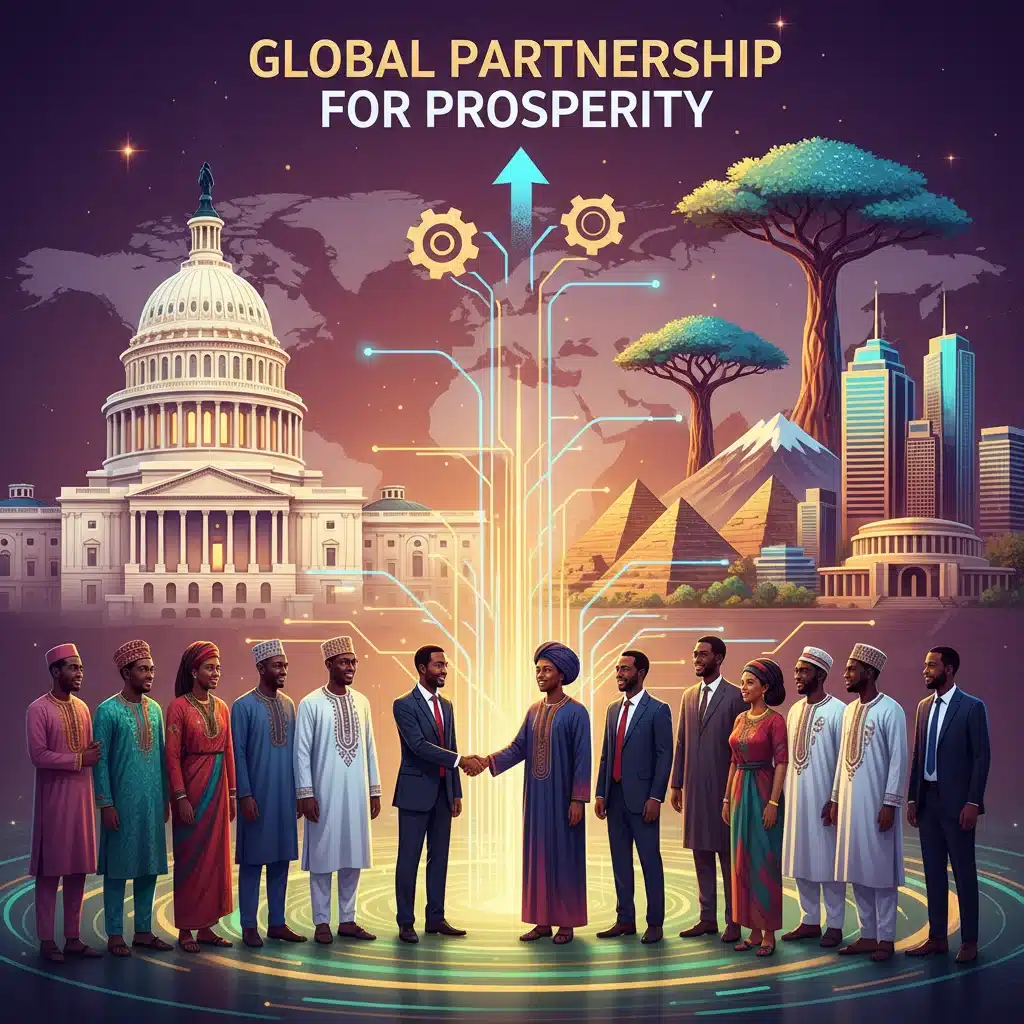
The geopolitical landscape is in constant flux, and few regions demonstrate this dynamism as profoundly as the relationship between the United States and the African continent. As we project forward to 2026, the trajectory of US Africa Relations is poised for significant evolution, driven by shifting global priorities, burgeoning African economies, and a renewed emphasis on strategic partnerships. This article delves into the intricate web of economic, political, and social factors that will define this critical relationship, exploring the opportunities and challenges that lie ahead.
Understanding the Foundation of US Africa Relations
To comprehend where US Africa Relations are headed in 2026, it’s essential to first understand their historical context and the underlying principles that have shaped them. For decades, US engagement with Africa has spanned humanitarian aid, security cooperation, and, increasingly, trade and investment. However, the nature and intensity of this engagement have varied significantly across different administrations and in response to global events.
Historically, US foreign policy towards Africa has often been characterized by a blend of development assistance, counter-terrorism efforts, and a focus on promoting democracy and good governance. Programs like the African Growth and Opportunity Act (AGOA) have been instrumental in fostering trade ties, offering duty-free access to the US market for eligible African products. While these initiatives have yielded positive results, critics often point to a paternalistic approach or a focus driven more by US strategic interests than by genuine African priorities.
The dawn of 2026 finds Africa at a pivotal moment. Many African nations are experiencing robust economic growth, driven by a young, rapidly urbanizing population, increasing digital penetration, and a growing middle class. This demographic dividend, coupled with vast natural resources and a burgeoning entrepreneurial spirit, presents an undeniable opportunity for deeper, more equitable partnerships. The narrative is shifting from one of aid dependency to one of mutual prosperity and shared strategic interests.
Economic Growth: A New Paradigm for US Africa Relations
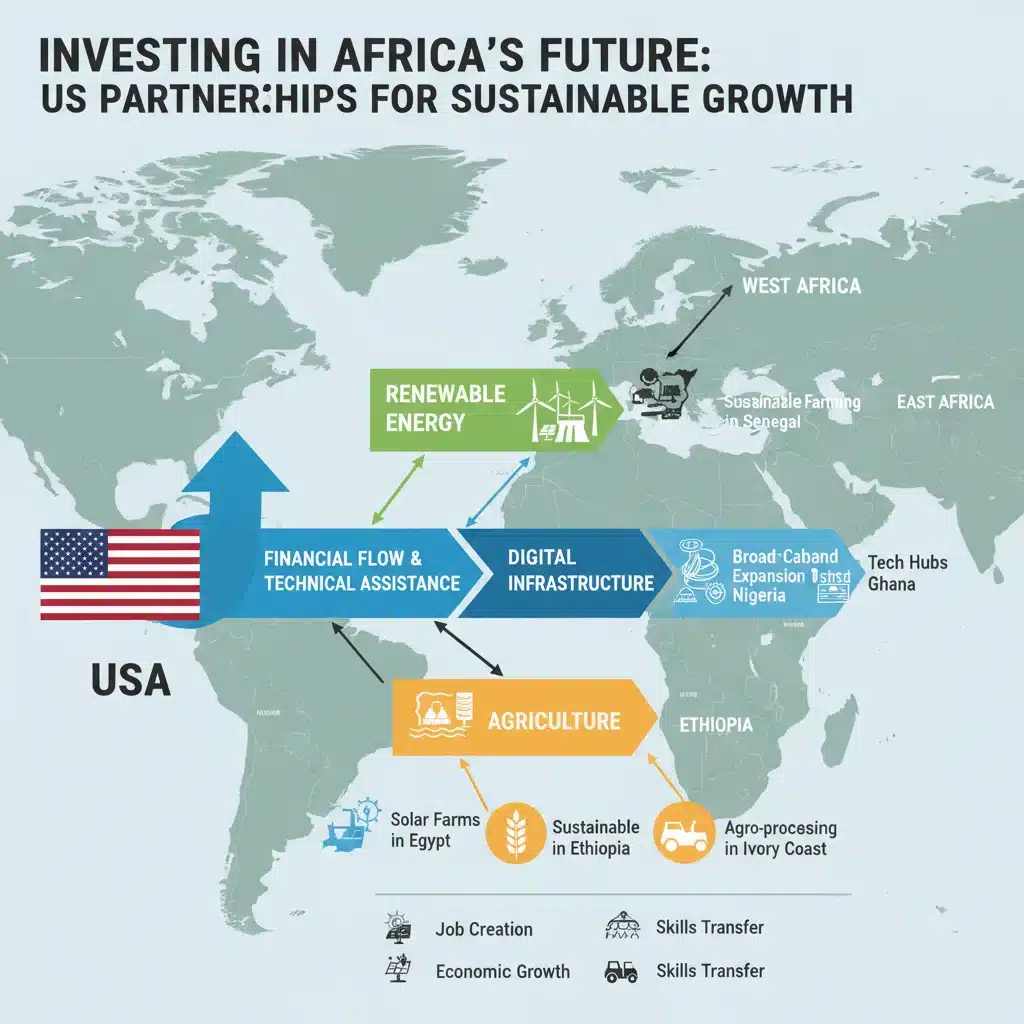
By 2026, economic growth will undoubtedly be a central pillar of US Africa Relations. The focus is moving beyond traditional aid models towards fostering sustainable development through investment, trade, and technology transfer. The United States recognizes the immense potential of African markets, not just as sources of raw materials but as vibrant consumer bases and innovative hubs.
Key Sectors Driving Economic Collaboration
- Digital Transformation: Africa’s leapfrogging into the digital age presents enormous opportunities. US tech companies are increasingly looking to invest in African startups, digital infrastructure, and e-commerce platforms. This collaboration is not merely about market access; it’s about co-creating solutions for everything from fintech to agritech, leveraging Africa’s unique challenges as catalysts for innovation.
- Renewable Energy: With abundant solar, wind, and hydro resources, Africa is a prime candidate for renewable energy development. US companies and government initiatives are likely to increase investments in clean energy projects, addressing both Africa’s growing energy demands and global climate change goals. This sector offers a win-win scenario, providing sustainable energy solutions while creating jobs and fostering local expertise.
- Agriculture and Food Security: Modernizing Africa’s agricultural sector is crucial for food security and economic diversification. US expertise in agricultural technology, supply chain management, and sustainable farming practices can play a transformative role. Partnerships will focus on improving yields, reducing post-harvest losses, and developing value-added agricultural products for both domestic consumption and export.
- Manufacturing and Industrialization: While still nascent in many regions, the push for industrialization in Africa offers significant potential. US investment can help develop manufacturing capabilities, particularly in light industry and processing, creating jobs and reducing reliance on imports. This requires a concerted effort to improve infrastructure, reduce regulatory hurdles, and enhance workforce skills.
The African Continental Free Trade Area (AfCFTA), fully operational by 2026, will significantly alter the economic landscape. This agreement creates the world’s largest free trade area by number of countries, uniting 1.3 billion people and a market worth $3.4 trillion. For US businesses, AfCFTA presents an unprecedented opportunity to engage with a unified African market, simplifying logistics and increasing the attractiveness of long-term investments. Understanding and adapting to this new continental framework will be paramount for successful US Africa Relations in the economic sphere.
Strategic Partnerships: Beyond Economics
Beyond economic considerations, US Africa Relations in 2026 will be shaped by a complex interplay of strategic interests, including security, health, and geopolitical influence. The United States recognizes Africa’s growing importance on the global stage, not just as a recipient of aid but as a vital partner in addressing shared global challenges.
Security Cooperation and Regional Stability
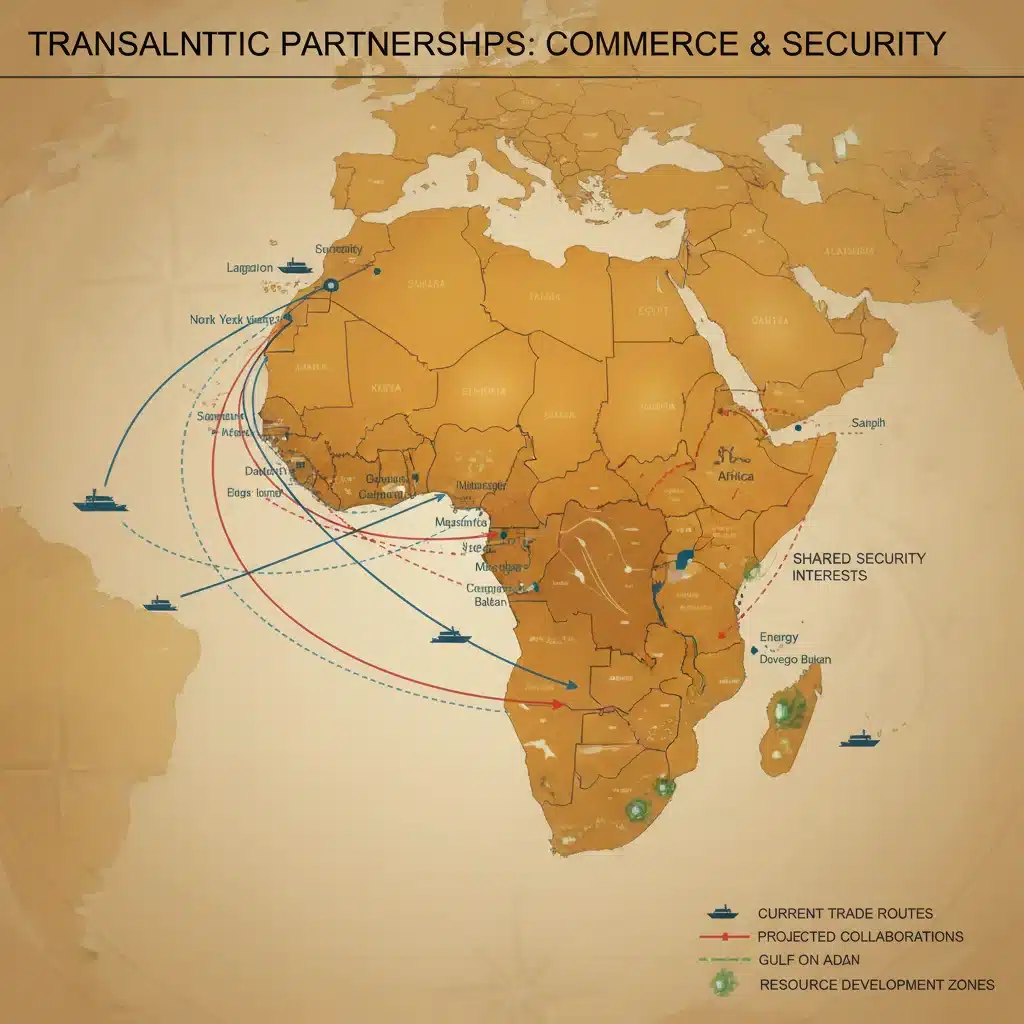
Security cooperation remains a cornerstone of the relationship. By 2026, efforts to combat terrorism, address transnational crime, and promote regional stability will likely intensify. This includes training African security forces, sharing intelligence, and supporting regional peacekeeping initiatives. However, the approach is expected to be more nuanced, emphasizing capacity building and local ownership rather than direct intervention. The goal is to empower African nations to manage their own security challenges effectively, fostering long-term stability and resilience.
Cybersecurity is also emerging as a critical area of cooperation. As African nations become more digitized, they also become more vulnerable to cyber threats. US expertise in this domain can help build robust cyber defenses, protect critical infrastructure, and combat cybercrime, safeguarding both economic development and national security.
Health and Human Development
The lessons learned from global health crises have underscored the interconnectedness of global health. By 2026, US Africa Relations will continue to prioritize health initiatives, focusing on strengthening healthcare systems, combating infectious diseases, and improving maternal and child health. This includes continued support for programs like PEPFAR (President’s Emergency Plan for AIDS Relief) and new partnerships aimed at vaccine development, pandemic preparedness, and universal health coverage. The emphasis will be on building resilient health infrastructure that can withstand future shocks and deliver equitable care.
Geopolitical Competition and Influence
The increasing presence of other global powers, particularly China, in Africa adds another layer of complexity to US Africa Relations. By 2026, the competition for influence and resources will likely remain a significant factor. The US approach is expected to differentiate itself by emphasizing transparent governance, sustainable development, and genuine partnership, contrasting with models that sometimes lead to debt traps or environmental degradation. This competition, however, can also be a catalyst for improved US engagement, pushing for more attractive and mutually beneficial offers to African partners.
The United States will aim to position itself as the preferred partner by offering high-quality investments, promoting democratic values, and fostering an environment conducive to long-term, equitable growth. This involves not just government-to-government interactions but also strengthening ties between civil societies, academic institutions, and the private sectors of both regions.
Challenges and Opportunities in US Africa Relations 2026
While the outlook for US Africa Relations in 2026 is largely positive, several challenges must be navigated to fully realize the potential of these partnerships.
Addressing Governance and Corruption
One of the persistent challenges is the issue of governance and corruption in some African nations. While progress has been made, these issues can deter foreign investment and undermine development efforts. The US will likely continue to advocate for stronger democratic institutions, transparency, and accountability, recognizing that good governance is fundamental to sustainable growth and stability. This engagement, however, must be handled with sensitivity, respecting national sovereignty while encouraging reforms.
Climate Change and Environmental Sustainability
Africa is disproportionately affected by climate change, despite contributing minimally to its causes. By 2026, climate change adaptation and mitigation will be an increasingly important area of cooperation. US support for climate-resilient infrastructure, renewable energy projects, and sustainable land management practices will be crucial. This also presents an opportunity for African nations to lead in developing green technologies and practices, positioning themselves as pioneers in sustainable development.
Youth Employment and Education
Africa’s youthful population is its greatest asset, but also presents a challenge if sufficient opportunities are not created. By 2026, partnerships focused on education, vocational training, and entrepreneurship will be vital. The US can contribute by supporting initiatives that equip young Africans with the skills needed for the 21st-century economy, fostering innovation, and creating pathways to meaningful employment. This is not just an economic imperative but a social one, essential for preventing instability and harnessing the demographic dividend.
Infrastructure Development
While significant progress has been made, infrastructure gaps remain a major impediment to Africa’s economic potential. Energy, transportation, and digital infrastructure are critical for unlocking trade, connecting markets, and improving quality of life. US investment, often through public-private partnerships, will be directed towards strategic infrastructure projects that are economically viable, environmentally sustainable, and socially inclusive. This also opens avenues for US companies to participate in large-scale projects, bringing expertise and technology.
The Future of US Africa Relations: A Vision for 2026 and Beyond
Looking ahead to 2026, the vision for US Africa Relations is one of a more mature, equitable, and mutually beneficial partnership. It moves away from a donor-recipient dynamic towards a collaboration among equals, recognizing Africa’s agency and its growing influence on the global stage. This involves:
- Increased Dialogue and Diplomacy: Regular, high-level diplomatic engagements will be crucial for aligning priorities and addressing challenges proactively. This includes strengthening multilateral forums and regional organizations.
- Private Sector-Led Growth: The private sector will be the primary engine of economic growth. Governments will focus on creating an enabling environment for businesses to thrive, reducing barriers to investment, and promoting fair trade practices.
- People-to-People Connections: Fostering cultural exchange, educational programs, and diaspora engagement will deepen understanding and build stronger bonds between the American and African people. This human connection is the bedrock of any lasting relationship.
- Shared Responsibility: Addressing global challenges like climate change, pandemics, and regional conflicts will require shared responsibility and collective action. Both the US and African nations have a vested interest in finding common solutions.
The geopolitical landscape of 2026 will likely see Africa playing an even more prominent role in global affairs. Its collective voice, amplified by regional bodies like the African Union, will carry more weight in international forums. The United States, by fostering genuine partnerships, can align its interests with those of a dynamic and ascendant continent, creating a powerful alliance for peace, prosperity, and progress.
Conclusion
In conclusion, US Africa Relations in 2026 are set to enter a new and exciting phase. The emphasis will be on building robust economic partnerships that drive sustainable growth, fostering strategic collaborations that enhance security and human development, and navigating complex geopolitical dynamics with a spirit of mutual respect and shared interest. While challenges persist, the opportunities for a transformative partnership are immense. By embracing a forward-looking approach, prioritizing African agency, and committing to long-term engagement, both the United States and the nations of Africa stand to gain significantly from a strengthened and re-imagined relationship, paving the way for a more prosperous and stable future for all.