NATO’s 2026 Strategic Concept: Examining US Leadership in European Security
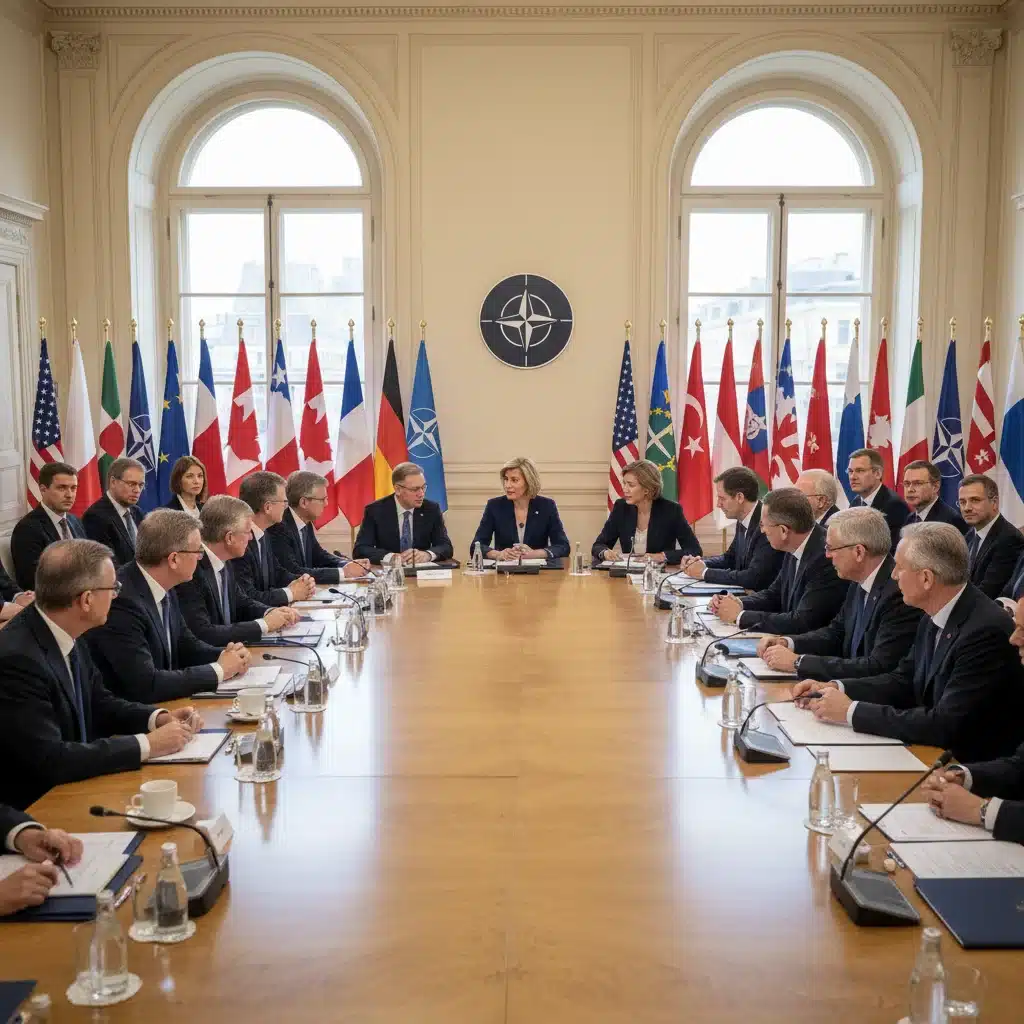
The North Atlantic Treaty Organization (NATO) stands as the bedrock of transatlantic security, an alliance forged in the crucible of the Cold War and continually adapting to an ever-evolving geopolitical landscape. As we approach 2026, the anticipation surrounding NATO’s next Strategic Concept is palpable. This pivotal document will not only redefine the alliance’s priorities but also critically re-evaluate the role of US leadership in safeguarding European security. Understanding the nuances of this forthcoming strategy is essential for anyone interested in international relations, defense policy, and the future of global stability.
The Enduring Relevance of NATO: A Historical Perspective
To fully grasp the significance of the NATO 2026 Strategy, it’s crucial to look back at the alliance’s journey. Founded in 1949, NATO’s primary objective was to deter Soviet expansionism and provide collective defense for its member states. Article 5, the cornerstone of the treaty, stipulates that an attack against one member is an attack against all, a principle that has underpinned European security for over seven decades. The Cold War era saw NATO as a bulwark against communism, fostering stability and preventing direct confrontation between superpowers. The fall of the Berlin Wall and the dissolution of the Soviet Union presented NATO with an existential crisis. Many questioned its continued relevance in a unipolar world. However, the alliance demonstrated remarkable adaptability, expanding its membership eastward, engaging in out-of-area operations in the Balkans and Afghanistan, and developing new partnerships.
The post-Cold War period brought new challenges, including terrorism, cyber warfare, and regional conflicts. NATO’s Strategic Concepts have evolved to address these threats, from the 1991 concept focusing on crisis management and partnership to the 1999 concept embracing a broader security approach, and the 2010 concept emphasizing collective defense, crisis management, and cooperative security. Each iteration has sought to recalibrate the alliance’s mission and capabilities to meet the demands of a changing world. The 2022 Strategic Concept, adopted in Madrid, explicitly identified Russia as the most significant and direct threat to Allied security, peace, and stability in the Euro-Atlantic area, a stark reflection of the renewed great power competition. This sets a critical precedent for the NATO 2026 Strategy, which will undoubtedly build upon these recent shifts while looking further into the future.
US Leadership: A Constant Amidst Change
The United States has historically been the leading force within NATO, providing crucial military capabilities, financial contributions, and diplomatic leadership. This leadership has been instrumental in maintaining the alliance’s cohesion and effectiveness. From spearheading major military operations to driving technological advancements and diplomatic initiatives, the US role is undeniable. However, the nature of this leadership has been subject to varying degrees of scrutiny and debate, particularly in recent years. Questions about burden-sharing, European strategic autonomy, and the US’s shifting geopolitical priorities have frequently emerged. Despite these discussions, the US commitment to NATO remains a cornerstone of its foreign policy, viewed as essential for both European stability and American national interests.
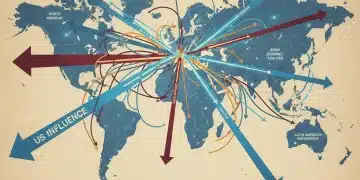
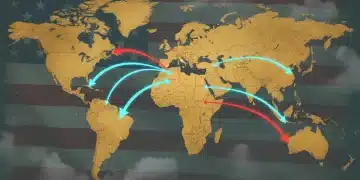
The upcoming NATO 2026 Strategy will likely grapple with these dynamics. How will the US continue to exert its leadership in a multipolar world where its attention is increasingly divided between Europe, the Indo-Pacific, and domestic concerns? Will there be a renewed emphasis on European allies taking on a greater share of defense responsibilities, or will the US double down on its traditional role? These are not mere rhetorical questions; they will shape the operational realities and strategic direction of the alliance for years to come. The balance between US leadership and European contributions is a delicate one, requiring constant negotiation and adaptation to ensure the alliance’s strength and agility.
Emerging Threats and the Need for a Robust NATO 2026 Strategy
The security landscape that the NATO 2026 Strategy must address is more complex and volatile than ever before. Traditional state-on-state conflicts, exemplified by the ongoing war in Ukraine, remain a primary concern. Russia’s aggression has underscored the importance of conventional deterrence and collective defense. However, the threat spectrum extends far beyond conventional warfare. Hybrid threats, including disinformation campaigns, cyberattacks targeting critical infrastructure, and the weaponization of migration, pose significant challenges to democratic societies and alliance cohesion. These threats often blur the lines between peace and conflict, making traditional responses less effective.
Furthermore, technological advancements are rapidly transforming the battlefield. Artificial intelligence, quantum computing, hypersonic weapons, and autonomous systems are reshaping military capabilities and doctrines. NATO must not only keep pace with these developments but also leverage them to maintain its technological edge. Space is also emerging as a critical domain for security, with increasing militarization and the potential for conflict. Climate change, while not a direct military threat, has significant security implications, leading to resource scarcity, displacement, and instability that can exacerbate existing conflicts and create new ones. The NATO 2026 Strategy must comprehensively address these multifaceted threats, developing integrated and innovative approaches to deterrence and defense.
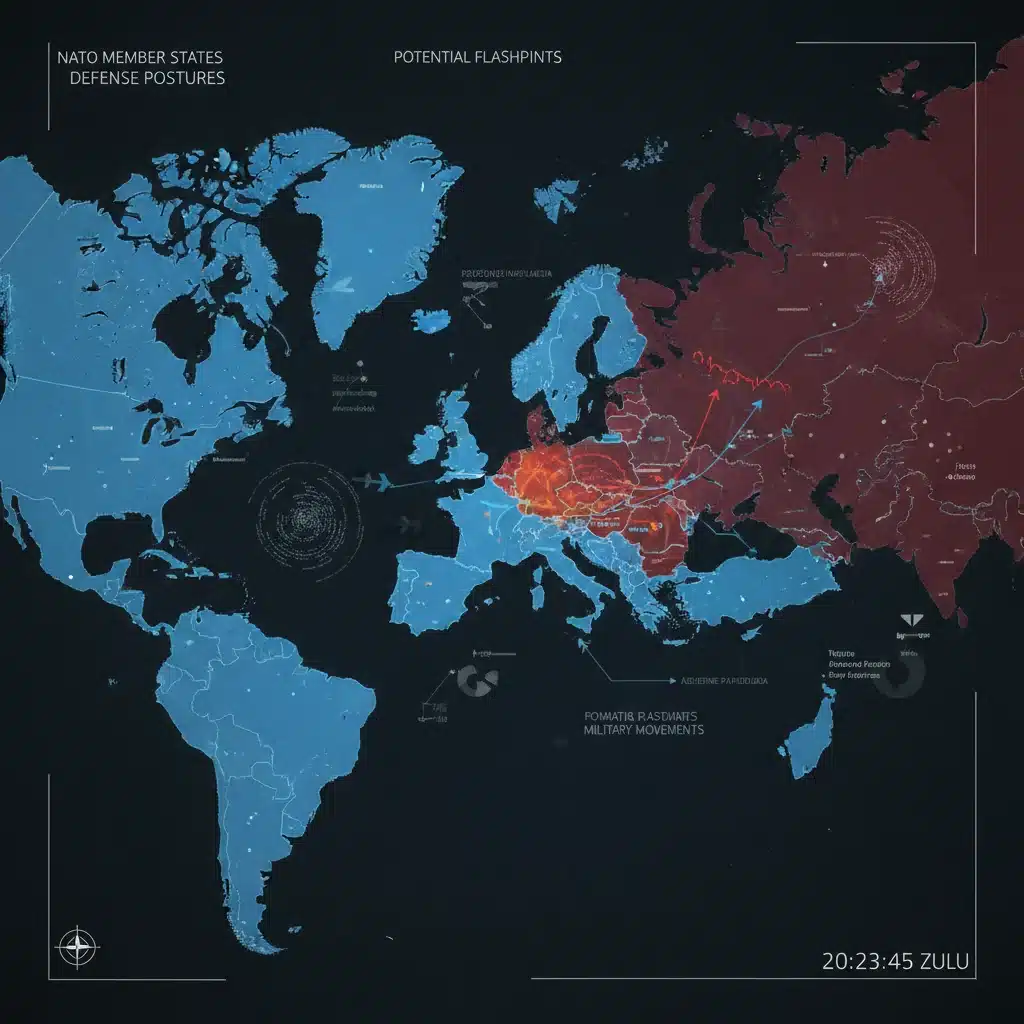
Pillars of the NATO 2026 Strategy: Anticipated Focus Areas
While the exact contours of the NATO 2026 Strategy are still being formulated, several key areas are expected to form its foundational pillars:
1. Enhanced Collective Defense and Deterrence
Given the current geopolitical climate, a renewed and strengthened focus on collective defense and deterrence is inevitable. This will likely involve:
- Increased Readiness and Forward Presence: Deploying more troops and equipment to the Eastern flank, improving rapid reaction capabilities, and conducting more frequent and complex exercises.
- Modernization of Forces: Investing in cutting-edge military technologies, including air and missile defense systems, advanced reconnaissance, and precision strike capabilities.
- Nuclear Deterrence: Reaffirming the credibility and effectiveness of NATO’s nuclear deterrence posture, which remains a critical component of its overall strategy.
2. Resilience and Cybersecurity
The growing sophistication of hybrid threats demands a robust approach to resilience and cybersecurity. The NATO 2026 Strategy will likely emphasize:
- Cyber Defense Capabilities: Strengthening national and collective cyber defenses, improving threat intelligence sharing, and developing rapid response mechanisms to cyberattacks.
- Critical Infrastructure Protection: Enhancing the protection of essential services, including energy, communication, and transportation networks, against both physical and cyber threats.
- Countering Disinformation: Developing strategies and capabilities to identify, expose, and counter foreign interference and disinformation campaigns that seek to undermine democratic processes and alliance cohesion.
3. Technological Advantage and Innovation
Maintaining a technological edge is paramount for NATO’s long-term security. The NATO 2026 Strategy will likely promote:
- Innovation Ecosystem: Fostering collaboration between governments, industry, and academia to accelerate the development and adoption of emerging and disruptive technologies.
- Standardization and Interoperability: Ensuring that diverse national systems can seamlessly operate together, enhancing the effectiveness of joint operations.
- Responsible Use of AI: Developing ethical guidelines and principles for the use of artificial intelligence in military applications, ensuring compliance with international law and human rights.
4. Partnerships and Global Cooperation
NATO’s network of partnerships extends its influence and capabilities beyond its immediate borders. The NATO 2026 Strategy will likely:
- Strengthen Existing Partnerships: Deepening cooperation with partners like Sweden, Finland (now members), Ukraine, Georgia, and others in the Indo-Pacific region.
- Address Global Challenges: Collaborating with international organizations and partners on issues such as counter-terrorism, maritime security, and climate change.
- Open Door Policy: Reaffirming NATO’s commitment to its open-door policy, allowing eligible European countries to join the alliance, thereby enhancing regional stability.
The US Role in Shaping the NATO 2026 Strategy
The United States will play an indispensable role in shaping and implementing the NATO 2026 Strategy. Its contributions will span several critical dimensions:
1. Military Contributions and Readiness
The US military remains the most powerful and technologically advanced force within NATO. Its contributions of troops, equipment, and intelligence are vital for collective defense. The NATO 2026 Strategy will likely rely heavily on continued US investment in its European presence, including rotational forces, pre-positioned equipment, and participation in major exercises. This sustained military commitment signals a clear message of deterrence to potential adversaries and reassures allies of the US’s unwavering support. Furthermore, US expertise in areas like logistics, command and control, and special operations will be crucial for enhancing the overall readiness and responsiveness of NATO forces.
2. Technological Leadership and Innovation
The US is at the forefront of military technological innovation. Its research and development capabilities, particularly in areas such as AI, cyber warfare, and advanced aerospace, will be critical for ensuring NATO maintains its technological edge. The NATO 2026 Strategy will likely advocate for increased transatlantic cooperation in defense innovation, with the US sharing its expertise and fostering joint development projects. This collaboration is essential to counter peer adversaries who are also rapidly advancing their military technologies. By facilitating technology transfer and joint ventures, the US can help ensure that all NATO members have access to the most effective tools for modern defense.
3. Diplomatic and Political Guidance
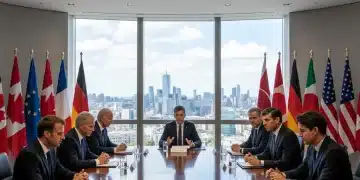
Beyond military and technological contributions, US diplomatic and political leadership is paramount. The US often acts as a convener and mediator within the alliance, helping to forge consensus among diverse member states. The development of the NATO 2026 Strategy will require extensive diplomatic engagement to align national interests and priorities. The US’s ability to project strong, unified messaging will be crucial in demonstrating NATO’s resolve and deterring aggression. Moreover, US diplomatic efforts can help to bridge divides and ensure that the alliance remains cohesive and focused on its core mission. This leadership extends to advocating for increased defense spending among European allies, ensuring a more equitable burden-sharing within the alliance.

Challenges and Opportunities for US Leadership in European Security
While US leadership in NATO is undeniable, it is not without its challenges. The NATO 2026 Strategy will need to navigate these complexities to ensure the alliance’s long-term effectiveness.
Challenges:
- Burden-Sharing Discrepancies: Despite recent increases, some European allies still fall short of the 2% of GDP defense spending target. This disparity can create tensions and questions about fairness within the alliance. The US will continue to press for greater European contributions to ensure a more balanced and sustainable defense posture.
- Strategic Autonomy Debate: The concept of ‘European strategic autonomy’ has gained traction, with some advocating for Europe to develop greater independent defense capabilities. While not necessarily antithetical to NATO, it raises questions about how such autonomy would complement or potentially complicate US leadership and NATO’s unified command structure. The NATO 2026 Strategy will need to find a way to integrate these aspirations while maintaining alliance cohesion.
- Shifting US Priorities: With increasing focus on the Indo-Pacific region and domestic challenges, there is a perception that US attention to European security might wane. The NATO 2026 Strategy must articulate how the US will balance its global commitments while maintaining a robust presence and leadership role in Europe.
- Internal Political Divisions: Political shifts and nationalist sentiments within member states can sometimes undermine alliance unity and complicate decision-making. US leadership will be crucial in fostering consensus and navigating these internal dynamics.
Opportunities:
- Renewed Transatlantic Unity: Russia’s aggression in Ukraine has galvanized transatlantic unity, reaffirming the importance of NATO and US leadership. The NATO 2026 Strategy can capitalize on this renewed sense of common purpose to strengthen the alliance further.
- Technological Collaboration: The urgent need for advanced defense capabilities presents an opportunity for deeper technological collaboration between the US and European allies, leading to shared innovation and enhanced interoperability.
- Expanded Membership and Partnerships: The recent expansion of NATO and the deepening of partnerships provide opportunities to extend stability and security across a broader geographic area, reinforcing the alliance’s strategic relevance.
- Addressing Global Challenges: NATO, under US leadership, can play a more prominent role in addressing global challenges like climate change security implications, pandemic preparedness, and energy security, thereby enhancing its overall utility and impact.
Conclusion: Forging the Future of European Security with NATO 2026 Strategy
The NATO 2026 Strategy is not merely a bureaucratic exercise; it is a critical blueprint for the future of European security and the transatlantic alliance. It will reflect the collective understanding of current and emerging threats, outline the necessary capabilities to counter them, and articulate the shared vision for a stable and secure Euro-Atlantic area. US leadership, while evolving in its form and demands, will remain indispensable to this endeavor. The US provides not only military might and technological prowess but also the diplomatic gravitas and strategic vision required to steer the alliance through turbulent waters. The challenges are significant, ranging from persistent geopolitical tensions to the rapid pace of technological change and internal alliance dynamics. However, the opportunities for strengthening NATO, fostering greater transatlantic cooperation, and ensuring collective security are equally profound. As the world watches, the development and implementation of the NATO 2026 Strategy will serve as a testament to the enduring relevance of the alliance and the unwavering commitment of its members to peace and stability.
Ultimately, the success of the NATO 2026 Strategy will hinge on the collective will of its members to adapt, innovate, and invest in their shared security. The United States, as the alliance’s most powerful member, bears a significant responsibility in guiding this process, ensuring that NATO remains a credible and effective deterrent against aggression and a force for stability in a complex world. The strategic choices made in the coming years will have lasting implications, shaping the geopolitical landscape for decades to come.