Congress Approves $20 Billion for Rural Broadband Expansion
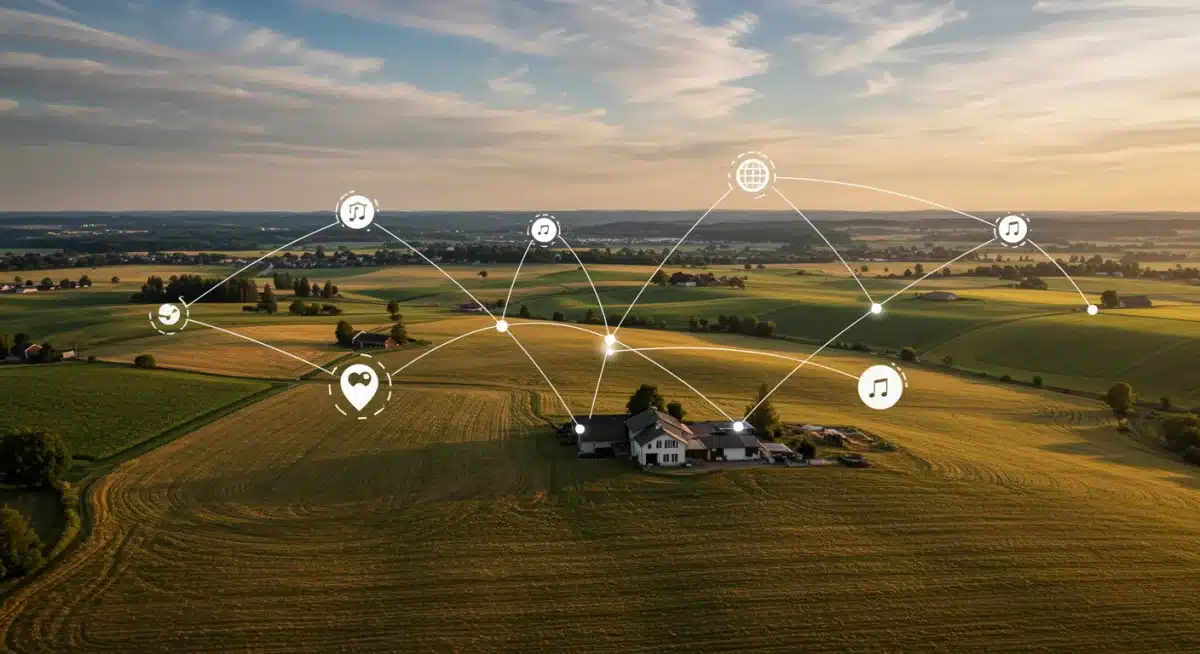
Congress has formally approved a significant $20 billion investment in rural broadband expansion, poised to connect 3 million underserved households across the United States by 2025, addressing a critical infrastructure gap.
The recent congressional approval of a monumental $20 billion investment in rural broadband expansion marks a pivotal moment for millions of Americans. This landmark legislation is specifically designed to target 3 million underserved households by 2025, promising to bridge the persistent digital divide that has long hindered economic growth and social equity in rural communities.
Understanding the Digital Divide in Rural America
The digital divide in rural America is not merely an inconvenience; it is a fundamental barrier to opportunity, encompassing education, healthcare, and economic prosperity. For years, residents in vast swaths of the country have struggled with slow, unreliable, or non-existent internet access, putting them at a significant disadvantage compared to their urban counterparts. This disparity affects everything from a child’s ability to complete homework to a farmer’s capacity to utilize modern agricultural technologies.
Despite numerous initiatives over the past decade, the challenge of providing universal broadband access has remained formidable. The high cost of infrastructure deployment in sparsely populated areas, coupled with a lack of economic incentives for private providers, has left millions without adequate connectivity. This new legislation seeks to directly address these systemic issues, recognizing that reliable internet is no longer a luxury but a necessity for modern life and economic participation.
The implications of this divide are far-reaching. Businesses in rural areas find it harder to compete, students struggle with online learning, and access to telemedicine services is severely limited. Bridging this gap is essential for fostering equitable development and ensuring that all Americans have the tools they need to thrive in an increasingly digital world. This investment is an acknowledgement of the critical role broadband plays in national progress.
The Scope of the $20 Billion Investment
The newly approved legislation allocates an unprecedented $20 billion towards expanding high-speed internet access in rural areas. This substantial sum is not just a financial commitment; it represents a strategic effort to transform the digital landscape for millions of Americans. The funding is earmarked for a variety of projects, from laying new fiber optic cables to deploying advanced wireless technologies, ensuring that the solutions are tailored to the unique geographic and demographic challenges of different rural communities.
Targeting Underserved Households
- The primary goal is to connect 3 million households by 2025, focusing on areas with no or inadequate broadband service.
- Funds will prioritize projects that demonstrate a clear plan for reaching the most isolated communities.
- Emphasis on sustainable infrastructure that can meet future demands, not just current needs.
The legislation includes provisions for robust oversight and accountability, aiming to prevent waste and ensure that the funds are used effectively and efficiently. This includes detailed reporting requirements for recipients and performance metrics to track progress. The investment also encourages public-private partnerships, leveraging the expertise and resources of both government agencies and telecommunications companies to accelerate deployment.
This comprehensive approach is designed to ensure that the investment not only expands coverage but also improves the quality and affordability of broadband services. By targeting specific underserved populations, the legislation seeks to maximize its impact, bringing tangible benefits to those who have been most affected by the digital divide.
Key Objectives and Implementation Strategy
The implementation strategy for this massive rural broadband expansion is multifaceted, designed to ensure efficient deployment and sustainable impact. The core objectives extend beyond simply laying cables; they aim to create a resilient, equitable, and future-proof digital infrastructure across rural America. This involves careful planning, technological innovation, and strong community engagement.
One of the central tenets of the strategy is flexibility, allowing states and local entities to propose solutions best suited for their specific needs. This decentralized approach recognizes the diverse challenges faced by different rural regions, from mountainous terrains to vast plains. The federal government will provide guidelines and benchmarks, but local communities will play a crucial role in identifying priority areas and selecting appropriate technologies.
Deployment Technologies and Community Engagement
- Prioritizing fiber-to-the-home (FTTH) where feasible, due to its high speed and reliability.
- Utilizing fixed wireless and satellite solutions in extremely remote or difficult-to-reach locations.
- Engaging local communities and stakeholders in the planning and implementation phases to ensure projects meet actual needs.
- Providing technical assistance and training to local governments and internet service providers (ISPs).
The legislation also emphasizes the importance of digital literacy and access to devices, recognizing that providing connectivity alone is not enough. Programs will be established to help households afford internet service and acquire the necessary equipment, ensuring that once connected, residents can fully utilize the opportunities presented by broadband access. This holistic approach is crucial for maximizing the return on this significant public investment.
Economic and Social Impact on Rural Communities
The approval of the $20 billion investment in rural broadband expansion is poised to unleash a wave of transformative economic and social benefits across underserved American communities. Access to high-speed internet is no longer just a convenience; it is a fundamental driver of modern prosperity and social inclusion. This initiative promises to reshape the landscape of rural life, fostering growth and creating new opportunities.
Economically, reliable broadband will enable rural businesses to expand their reach, access new markets, and adopt digital tools that improve efficiency and competitiveness. Small businesses, often the backbone of rural economies, will be able to engage in e-commerce, utilize cloud-based services, and connect with customers and suppliers globally. This can lead to job creation, increased local spending, and a more diversified economic base, reducing reliance on traditional industries.

Socially, the impact is equally profound. Education will be revolutionized as students gain access to online learning resources, virtual classrooms, and educational platforms that were previously out of reach. This levels the playing field for rural students, providing them with the same educational opportunities as their urban peers. Telemedicine will become a viable option for healthcare, allowing residents to consult with specialists, manage chronic conditions, and receive preventative care without traveling long distances, improving health outcomes and reducing healthcare costs.
Furthermore, enhanced connectivity can foster community engagement and civic participation. Residents will have better access to government services, news, and information, strengthening local democracies. It can also help combat rural depopulation by making these areas more attractive to remote workers and young families seeking a better quality of life. The investment in broadband infrastructure is, therefore, an investment in the future vitality and resilience of rural America, promising to unlock its full potential.
Challenges and Potential Roadblocks
While the $20 billion investment in rural broadband expansion offers immense promise, its implementation is not without significant challenges and potential roadblocks. Successfully deploying broadband across vast, often difficult terrains requires overcoming technical, logistical, and bureaucratic hurdles that have historically slowed progress. Addressing these issues proactively will be crucial for the initiative’s success.
Key Challenges
- Geographical Complexity: Laying miles of fiber in remote or mountainous regions is costly and time-consuming.
- Permitting and Right-of-Way Issues: Navigating diverse state and local regulations for infrastructure development can cause delays.
- Workforce Shortages: A lack of skilled labor for broadband deployment, particularly in rural areas, could hinder progress.
- Supply Chain Disruptions: Availability of necessary equipment and materials could be affected by global supply chain issues.
Another significant challenge lies in ensuring equitable distribution of funds and preventing digital redlining. There must be robust oversight to guarantee that the allocated resources genuinely reach the most underserved communities and are not disproportionately directed towards areas that are easier or more profitable to connect. The definition of ‘underserved’ and the methodology for identifying eligible households will be critical in this regard.
Moreover, the long-term sustainability of these projects is paramount. This includes not only the initial build-out but also the ongoing maintenance, upgrades, and affordability of services for residents. Without a clear strategy for sustained funding and competitive pricing, some communities may find themselves with infrastructure they cannot fully utilize or afford. Overcoming these obstacles will require a concerted effort from all stakeholders, from federal agencies to local communities and private providers.
Looking Ahead: The Future of Rural Connectivity
The future of rural connectivity, bolstered by this monumental $20 billion investment, looks significantly brighter. As the initiative progresses towards its 2025 target of connecting 3 million underserved households, the landscape of rural America is poised for a profound transformation. This investment sets a new precedent for federal commitment to digital equity, paving the way for a more connected and resilient nation.
Beyond the immediate goal of expanding access, this legislation is expected to catalyze further innovation and investment in rural areas. The presence of robust broadband infrastructure will attract new businesses, encourage entrepreneurship, and facilitate the adoption of smart technologies in agriculture, energy, and other sectors. This creates a virtuous cycle where initial investment leads to sustained growth and development, making rural communities more vibrant and economically competitive.
Furthermore, the experience gained from this large-scale deployment will inform future policy and funding decisions, allowing for continuous improvement in strategies for universal broadband access. It will also foster greater collaboration between government, industry, and local communities, building stronger partnerships dedicated to closing the digital divide once and for all. The long-term vision is one where geographical location no longer dictates access to essential digital resources, ensuring that every American has the opportunity to participate fully in the digital economy and society.
| Key Point | Brief Description |
|---|---|
| $20 Billion Investment | Congress approved significant funding for rural broadband expansion. |
| 3 Million Households | Targeted number of underserved households to be connected by 2025. |
| Bridging Digital Divide | Aims to close the gap in internet access between rural and urban areas. |
| Economic & Social Impact | Expected to boost rural economies, education, and healthcare access. |
Frequently Asked Questions About Rural Broadband Expansion
The primary goal is to invest $20 billion into expanding high-speed internet access to 3 million currently underserved households in rural areas across the United States by the year 2025, aiming to bridge the persistent digital divide.
The funds will be allocated for infrastructure development, including laying new fiber optic cables and deploying advanced wireless technologies. The investment also supports public-private partnerships and digital literacy programs to ensure comprehensive access and utilization.
The legislation prioritizes communities with little to no existing broadband service. Funds will target the most isolated rural areas, ensuring that the investment reaches those who have been most significantly impacted by the lack of connectivity.
Expected benefits include enhanced economic opportunities for rural businesses, improved access to online education for students, expanded telemedicine services for healthcare, and greater overall social inclusion for residents in underserved areas.
Yes, challenges include geographical complexities, obtaining necessary permits, potential workforce shortages for deployment, and ensuring equitable distribution of funds to truly underserved areas. Robust oversight is planned to mitigate these issues.
Conclusion
The congressional approval of a $20 billion investment in rural broadband expansion marks a transformative moment for the United States. By targeting 3 million underserved households by 2025, this legislation promises to bridge a critical digital divide, unlocking unprecedented opportunities for economic growth, educational advancement, and improved healthcare in rural communities. While challenges in implementation are inevitable, the commitment to a connected future for all Americans signals a powerful step towards true digital equity and national progress.