Global Grain Reserves Dip: 2025 Price Volatility for US Consumers
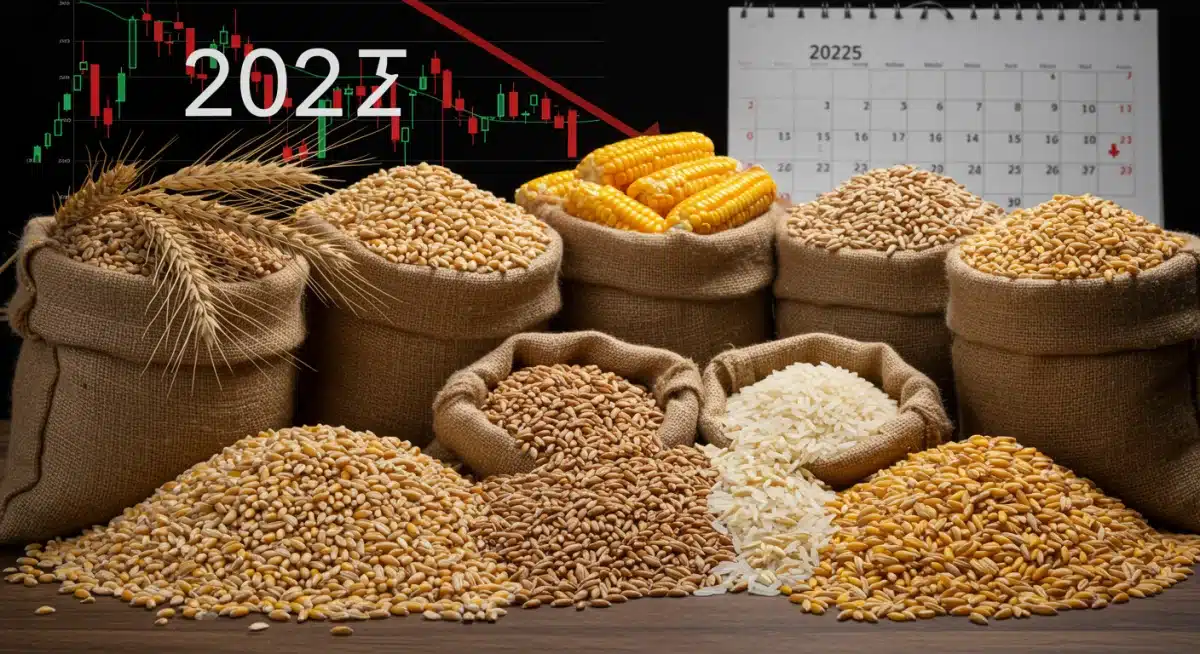
Global grain reserves have fallen to a decade-low, setting the stage for potential price volatility in 2025 that could significantly impact US consumers and the broader economy.
The latest global grain reserves report paints a concerning picture: a 10-year low that could significantly influence 2025 price volatility for US consumers. This development isn’t just a headline for agricultural economists; it’s a critical indicator for household budgets and the stability of food supply chains across the nation. What factors are driving this downward trend, and what can Americans expect in the coming year?
Understanding the Decline in Global Grain Reserves
The recent announcement of global grain reserves hitting a 10-year low has sent ripples through international markets. This isn’t a sudden event but rather the culmination of several interconnected factors that have been brewing for some time. Understanding these underlying causes is crucial to grasping the potential impact on future prices and consumer stability.
Several key elements contribute to this concerning decline. From changing weather patterns to geopolitical tensions, the global agricultural landscape is under immense pressure. These pressures collectively reduce the buffer against unforeseen events, making the market more susceptible to price swings.
Key Drivers of Depletion
- Adverse Weather Conditions: Extreme weather events, including prolonged droughts, excessive rainfall, and unexpected freezes, have significantly hampered crop yields in major producing regions. These events are becoming more frequent and intense, directly impacting harvests.
- Geopolitical Instability: Conflicts and trade disputes in critical grain-producing and exporting nations disrupt supply chains and restrict the free flow of commodities. This uncertainty causes hoarding and limits availability on the global market.
- Increased Demand: A growing global population and evolving dietary preferences, particularly in emerging economies, are steadily increasing the demand for staple grains. This rising consumption outpaces production capabilities, further depleting reserves.
The confluence of these factors creates a precarious situation, where the margin for error in global food production is shrinking. As reserves dwindle, the global food system becomes more fragile, with potential consequences for consumers worldwide, especially in import-reliant nations like the United States. This situation demands careful monitoring and strategic responses from policymakers and industry stakeholders.
The Immediate Impact on US Food Supply Chains
The dwindling global grain reserves directly translate into immediate challenges for US food supply chains. While the United States is a significant grain producer, it is not immune to global market dynamics. Interconnectedness means that international shortfalls can quickly ripple through domestic systems, affecting everything from raw material availability to processing costs.
Food processors, livestock farmers, and even biofuel producers rely heavily on a stable and affordable supply of grains. When global reserves are low, it creates an environment of uncertainty, compelling these industries to adjust their purchasing strategies and potentially pass on increased costs to consumers.
Anticipated Supply Chain Disruptions
- Higher Input Costs: US farmers and food manufacturers will likely face increased costs for feed grains and other grain-derived ingredients. This directly impacts the profitability of agricultural businesses and can lead to higher prices for meat, dairy, and processed foods.
- Logistical Challenges: Securing grain supplies from international markets can become more complex and expensive due to increased competition and potential export restrictions from other nations. This adds another layer of cost and uncertainty to the supply chain.
- Inventory Management Strain: Companies may struggle to maintain optimal inventory levels, leading to potential stockouts or the need to purchase grain at premium prices. This reactive purchasing can exacerbate market volatility.
Ultimately, a tight global grain market means less flexibility for US supply chains. Businesses will need to adapt quickly to evolving conditions, seeking alternative sourcing options, optimizing efficiency, and managing risks more proactively. The immediate impact is a heightened sense of vulnerability within the food system, requiring careful navigation to mitigate adverse effects on both producers and consumers.
Forecasting 2025 Price Volatility for US Consumers
The dip in global grain reserves is a strong signal for increased price volatility in 2025, a concern that directly affects US consumers. While precise predictions are challenging, the historical correlation between low reserves and market instability is undeniable. This instability manifests not just in direct grain purchases but across a spectrum of food products.
Consumers should prepare for potential shifts in grocery bills, as the cost of staple items like bread, pasta, and cereals, along with indirect costs for meat and dairy, are likely to fluctuate. Understanding the mechanisms through which these changes occur can help households better anticipate and manage their budgets.
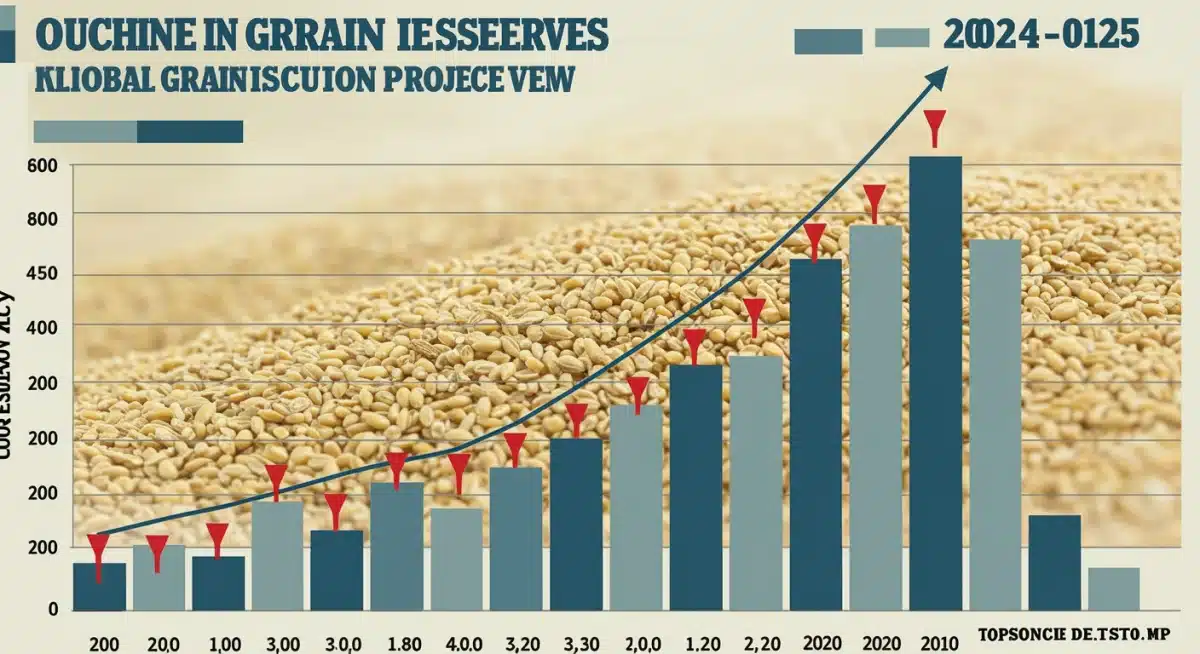
Increased volatility isn’t solely about higher prices; it also means greater unpredictability. This makes planning difficult for both families and businesses, creating an environment where budgeting becomes more challenging.
Key Areas of Price Impact
- Staple Grains: Prices for wheat, corn, and rice are most directly affected. Consumers can expect to see higher prices for flour, bread, corn products, and rice at the grocery store.
- Animal Feed Costs: Grains constitute a significant portion of animal feed. Rising grain prices will increase the cost of raising livestock, leading to higher prices for beef, pork, poultry, and dairy products.
- Processed Foods: Many processed foods contain grain derivatives (e.g., corn syrup, starches). Manufacturers facing higher input costs will likely adjust prices across a wide range of packaged goods.
The forecast for 2025 suggests a period where consumers will need to be more vigilant about food prices. Budgeting strategies, such as buying in bulk when prices are favorable or exploring alternative food sources, may become more common. The overall economic landscape for US households will undoubtedly feel the effects of these global agricultural shifts.
Government and Industry Responses to Grain Shortfalls
Recognizing the severity of declining global grain reserves, governments and industry stakeholders are beginning to formulate and implement various response strategies. These efforts aim to stabilize markets, secure supply, and mitigate the impact on consumers. A multi-faceted approach is essential, given the complex nature of the challenge.
Government interventions can range from policy adjustments to direct aid, while the private sector focuses on innovation and supply chain resilience. Collaboration between these entities is often key to effective solutions, ensuring a coordinated effort that addresses both immediate needs and long-term sustainability.
Proactive Measures Being Taken
- Strategic Reserve Management: Some governments may consider adjusting their national grain reserves, either by drawing down existing stocks to ease immediate pressure or by strategically building them up during periods of surplus to prepare for future shortages.
- Agricultural Policy Reviews: Policies related to crop subsidies, land use, and export/import regulations are being re-evaluated to encourage domestic production and ensure fair trade practices. This includes incentives for sustainable farming methods.
- Investment in Agricultural Innovation: Increased funding for research and development in drought-resistant crops, precision agriculture, and improved storage technologies is crucial. These innovations aim to boost yields and reduce post-harvest losses.
- International Cooperation: Diplomatic efforts to foster stable trade relationships and coordinate global food security initiatives are becoming more important. Sharing information and resources can help manage regional shortfalls more effectively.
Industry responses include diversifying sourcing, investing in vertical integration, and optimizing logistical networks to reduce waste and increase efficiency. The collective goal is to build a more resilient food system that can better withstand future shocks, ultimately protecting consumers from extreme price fluctuations stemming from low global grain reserves.
Long-Term Implications for Food Security in the US
Beyond the immediate price volatility, the consistent decline in global grain reserves poses significant long-term implications for food security within the United States. While the US is a major agricultural producer, its reliance on global markets for certain commodities and the interconnectedness of food systems mean that sustained low reserves could fundamentally alter its food security landscape.
Food security is not just about having enough food, but also about consistent access to nutritious, affordable, and culturally appropriate food. A prolonged period of tight grain supplies threatens all these dimensions, potentially leading to broader societal and economic challenges.
The risk of food insecurity extends beyond economic hardship; it can also impact public health and social stability. A resilient food system is a cornerstone of national security, and diminishing global buffers highlight vulnerabilities that need urgent attention.
Future Challenges for US Food Security
- Increased Dependence on Imports: Despite domestic production, the US imports various grains and grain-reliant products. Sustained global shortages could make these imports more expensive and less reliable, increasing national food costs.
- Vulnerability to External Shocks: With less global buffer, the US food system becomes more vulnerable to external shocks, whether they are climate-related events in other parts of the world, geopolitical conflicts, or new trade barriers.
- Dietary Shifts and Nutritional Impact: Higher prices for staple grains and animal products could force lower-income households to compromise on nutritional quality, potentially exacerbating public health issues related to diet.
- Economic Instability: Fluctuations in food prices can contribute to inflation, reduce consumer purchasing power, and create economic instability, impacting various sectors of the US economy.
Addressing these long-term implications requires a strategic vision that goes beyond short-term market adjustments. It involves fostering domestic agricultural resilience, investing in sustainable practices, and engaging actively in international efforts to stabilize global food supplies. The goal is to ensure that future generations of US consumers have reliable access to affordable and nutritious food.
Strategies for US Consumers to Mitigate Impact
Given the potential for 2025 price volatility due to low global grain reserves, US consumers can adopt several strategies to mitigate the impact on their household budgets and food access. Proactive planning and informed purchasing decisions can make a significant difference in navigating a turbulent market. It’s about being prepared and making smart choices where possible.
These strategies not only help individual households but can also collectively contribute to more resilient local food systems. Thinking about where food comes from and how it’s purchased can empower consumers in an uncertain environment.
Practical Tips for Households
- Budgeting and Meal Planning: Develop a detailed food budget and plan meals in advance to reduce impulse purchases and food waste. Focus on using ingredients efficiently.
- Bulk Buying Smartly: If storage space allows, consider buying non-perishable grain products (like rice, pasta, oats) in larger quantities when they are on sale. Compare unit prices carefully to ensure actual savings.
- Diversify Protein Sources: Explore more affordable protein alternatives to traditional meats, which are heavily reliant on grain feed. Options like legumes, beans, lentils, and eggs can be nutritious and budget-friendly.
- Support Local Agriculture: Purchasing directly from local farmers can sometimes offer more stable prices and reduce reliance on global supply chains. Farmers’ markets and community-supported agriculture (CSA) programs are good avenues.
- Grow Your Own: For those with space and interest, starting a small home garden can provide fresh produce, reducing grocery expenses and increasing self-sufficiency.
By implementing these strategies, US consumers can not only cushion themselves against potential price hikes but also contribute to a more sustainable and resilient food ecosystem. Being informed and adaptable will be key to managing the upcoming challenges related to global grain reserves.
| Key Point | Brief Description |
|---|---|
| 10-Year Low Reserves | Global grain reserves have reached their lowest point in a decade, indicating significant supply constraints. |
| 2025 Price Volatility | This low level signals potential for increased price fluctuations in grain and related food products for US consumers in 2025. |
| Driving Factors | Adverse weather, geopolitical tensions, and rising global demand are primary causes for the depletion of reserves. |
| Consumer Strategies | Budgeting, smart bulk buying, diversifying protein sources, and supporting local agriculture can help mitigate the impact. |
Frequently Asked Questions About Grain Reserves
A 10-year low in global grain reserves implies a reduced buffer against supply shocks, making food prices more susceptible to volatility. This could lead to higher costs for staple grains and related products at the grocery store for US consumers in 2025.
The primary reasons include severe weather events affecting crop yields globally, ongoing geopolitical conflicts disrupting supply chains, and a steady increase in global demand due to population growth and changing dietary patterns. These factors collectively strain the world’s grain supply.
Meat and dairy prices are likely to increase because grains are a major component of animal feed. Higher grain costs directly translate to higher production costs for livestock and dairy farmers, which are then passed on to consumers at the retail level.
The US government can respond by reviewing agricultural policies, potentially adjusting strategic grain reserves, investing in agricultural innovation for resilient crops, and fostering international cooperation to stabilize global markets and ensure equitable distribution of food resources.
Consumers can prepare by creating detailed food budgets, planning meals efficiently, considering smart bulk purchases of non-perishables, diversifying protein sources with more affordable alternatives, and supporting local agriculture to reduce reliance on global supply chains.
Navigating Future Food Landscapes
The reported dip in global grain reserves to a 10-year low serves as a crucial wake-up call, highlighting the delicate balance of our global food system. For US consumers, this signals a period of potential price volatility in 2025 that demands attention and informed decision-making. While challenges are evident, understanding the driving forces and adopting proactive strategies—from individual budgeting to broader policy adjustments—can help mitigate the impact. The future of food security hinges on collective efforts to build resilience, innovate in agriculture, and foster stable global trade relationships, ensuring a more predictable and sustainable food supply for everyone.