Energy Security 2026: US Role in Global Supply Shifts

The global energy landscape is a dynamic tapestry woven with threads of geopolitics, technological innovation, economic shifts, and environmental imperatives. As we approach 2026, the concept of US Energy Security 2026 takes center stage, redefined by an intricate web of global supply shifts. The United States, as a major energy producer and consumer, plays a pivotal role in navigating these transformations. Understanding these shifts is not merely an academic exercise; it is crucial for policymakers, industry leaders, and citizens alike to comprehend the challenges and opportunities that lie ahead for national and international stability.
The quest for energy security has always been a cornerstone of national policy, aiming to ensure a reliable and affordable supply of energy to meet demand. However, the definition and pursuit of energy security are evolving. Traditionally, it focused on securing fossil fuel supplies. Today, it encompasses a broader spectrum, including the resilience of energy infrastructure, cybersecurity threats, the transition to cleaner energy sources, and the stability of global supply chains. For US Energy Security 2026, these multifaceted dimensions are more pronounced than ever.
The Shifting Sands of Global Energy Supply: Four Major Transformations
As we peer into 2026, four significant global supply shifts are poised to reshape the energy paradigm, directly influencing US Energy Security 2026. These shifts are interconnected, creating a complex and often unpredictable environment.
Shift 1: The Accelerated Push Towards Decarbonization and Renewable Energy Dominance
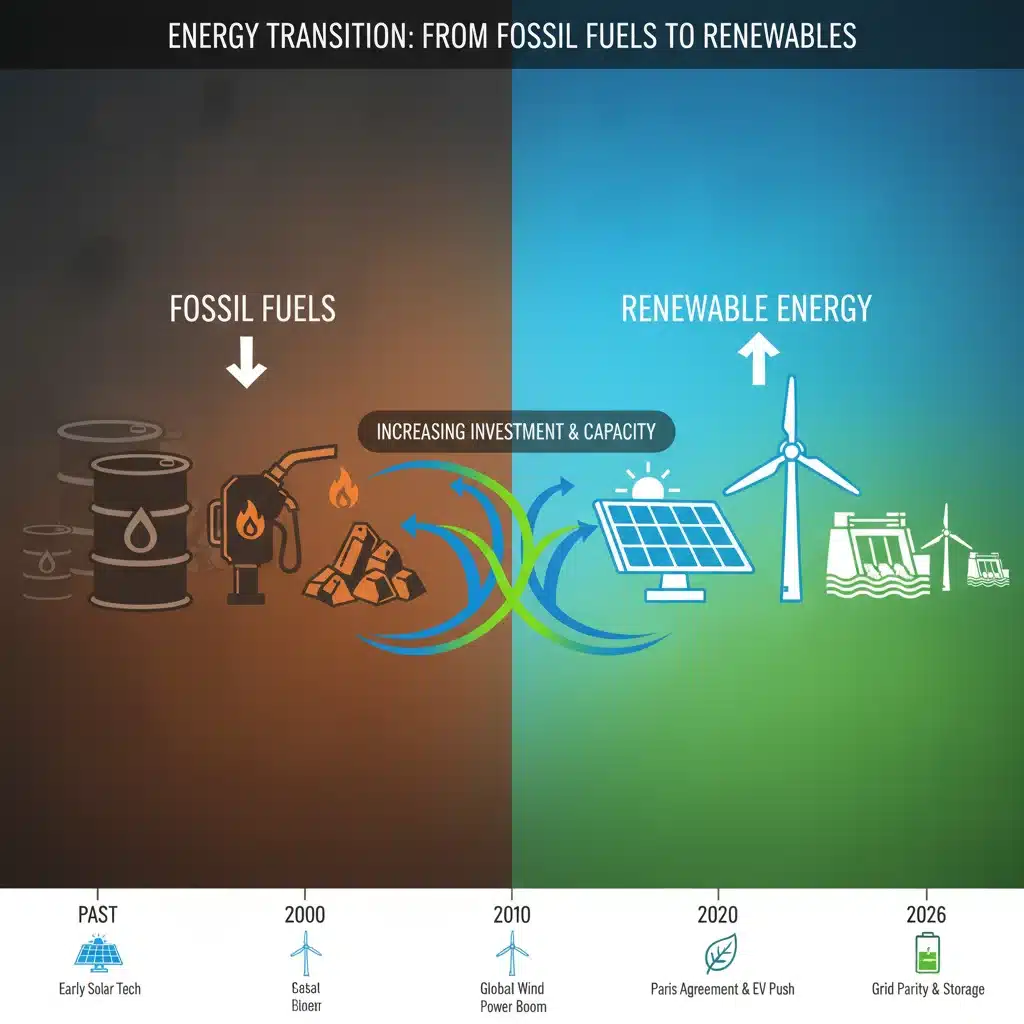
The global commitment to combat climate change is driving an unprecedented acceleration in renewable energy adoption. Nations worldwide are setting ambitious decarbonization targets, leading to massive investments in solar, wind, hydropower, and geothermal technologies. This shift is not just about environmental responsibility; it’s increasingly about energy independence and economic competitiveness.
By 2026, we anticipate a significant increase in the share of renewables in the global energy mix. This surge is fueled by decreasing costs of renewable technologies, advancements in energy storage solutions, and supportive government policies. For the United States, this means both opportunities and challenges. On one hand, domestic renewable energy production enhances energy independence, reducing reliance on volatile international fossil fuel markets. On the other hand, it requires substantial upgrades to grid infrastructure, significant investments in manufacturing capabilities for renewable components, and careful management of the transition to avoid energy shortfalls or price spikes.
The implications for US Energy Security 2026 are profound. A more diversified energy portfolio, heavily weighted towards domestic renewables, can buffer the nation from geopolitical disruptions affecting traditional fossil fuel supplies. However, it also introduces new dependencies, such as on critical minerals required for batteries and solar panels, often sourced from a limited number of countries. Ensuring secure supply chains for these critical materials becomes a new frontier in energy security.
Furthermore, the intermittency of some renewable sources necessitates advanced grid management systems and robust energy storage solutions. Without these, the reliability of the energy supply could be compromised. The US must continue to innovate in these areas to fully capitalize on the decarbonization trend while maintaining a secure and stable energy system.
Shift 2: Evolving Geopolitical Alliances and Energy Trade Routes
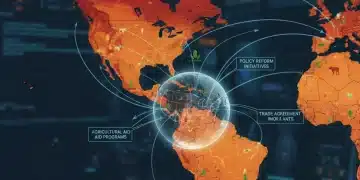
Geopolitics has always been intertwined with energy, and this relationship is intensifying. Traditional energy alliances are being re-evaluated, and new partnerships are emerging, often driven by a desire for energy diversification and strategic autonomy. The Russia-Ukraine conflict, for instance, dramatically reshaped European energy policies, accelerating their pivot away from Russian gas and towards alternative suppliers and renewables.
By 2026, we can expect a further fragmentation of global energy markets, with regional blocs prioritizing intra-bloc energy trade and cooperation. The rise of new energy powers, particularly in the Middle East and Africa, alongside the continued influence of major players like the US, will create a more multipolar energy landscape. For US Energy Security 2026, this means a need for agile diplomacy and strategic foresight.
The US, as a significant exporter of liquefied natural gas (LNG) and a leader in energy technology, can leverage its position to strengthen alliances and influence global energy norms. However, it also faces the challenge of navigating complex geopolitical rivalries, particularly with China, which is heavily investing in global energy infrastructure and critical mineral supply chains. The competition for influence in key energy-producing regions and along critical trade routes will remain a defining feature of international relations.
The security of maritime trade routes, through which much of the world’s energy is transported, will remain paramount. Any disruptions in choke points like the Strait of Hormuz or the Suez Canal could have cascading effects on global energy prices and supply stability. Therefore, maintaining a strong naval presence and fostering international cooperation on maritime security will continue to be vital for US energy interests and global stability.
Shift 3: The Digitalization of Energy Systems and Cybersecurity Threats
The ongoing digital transformation is revolutionizing energy systems, from smart grids and advanced metering infrastructure to AI-powered predictive maintenance and real-time energy trading platforms. This digitalization promises greater efficiency, resilience, and consumer empowerment. However, it also introduces a new and formidable challenge: cybersecurity.
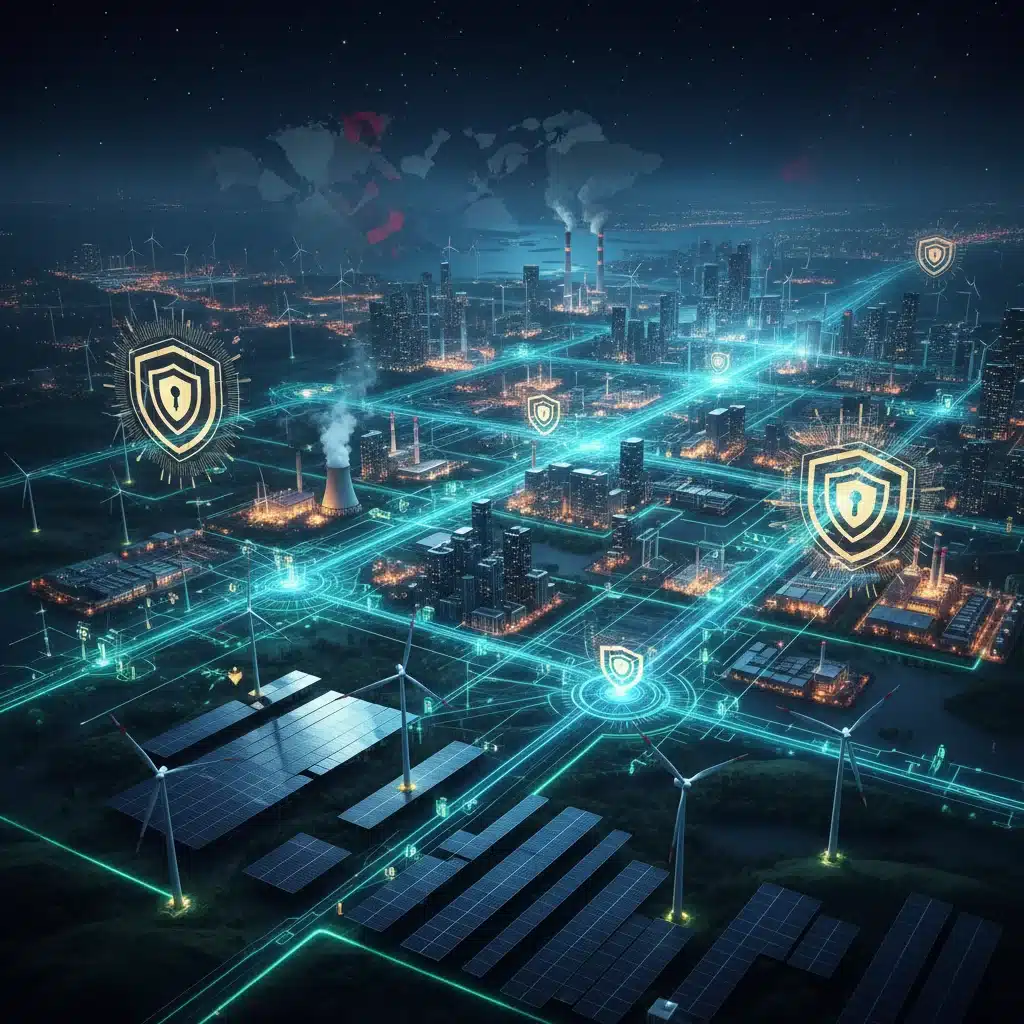
As energy infrastructure becomes increasingly interconnected and reliant on digital networks, it becomes a prime target for cyberattacks. State-sponsored actors, terrorist groups, and criminal organizations could seek to disrupt energy supplies, cripple economies, or sow chaos. A successful cyberattack on a power grid or oil pipeline could have devastating consequences, leading to widespread blackouts, industrial shutdowns, and significant economic losses.
For US Energy Security 2026, cybersecurity is no longer a peripheral concern but a central pillar. Protecting critical energy infrastructure from cyber threats requires a multi-layered approach, encompassing robust technical defenses, intelligence sharing between government and industry, workforce training, and international cooperation. The development of quantum-resistant cryptography and advanced threat detection systems will be crucial in this ongoing arms race.
Furthermore, the integration of distributed energy resources (DERs) like rooftop solar and electric vehicles into the grid, while beneficial for decarbonization, also expands the attack surface. Ensuring the security of these decentralized systems, as well as the communication networks that link them, is a complex undertaking. The US must invest heavily in research and development for secure energy technologies and foster a culture of cybersecurity awareness across the entire energy sector.
Shift 4: The Evolution of Energy Storage and Grid Modernization
The intermittency of renewable energy sources has historically been a significant barrier to their widespread adoption. However, rapid advancements in energy storage technologies are changing this dynamic. Lithium-ion batteries, flow batteries, hydrogen storage, and pumped-hydro storage are becoming more efficient and cost-effective, enabling better integration of renewables into the grid.
By 2026, energy storage solutions are expected to play a much more prominent role in grid stability and reliability. This will not only facilitate higher penetration of renewables but also enhance grid resilience against disruptions, whether from extreme weather events or cyberattacks. The ability to store excess energy and dispatch it when needed provides a crucial buffer, ensuring a continuous and stable power supply.
Alongside energy storage, grid modernization efforts are essential for US Energy Security 2026. This involves upgrading aging infrastructure, implementing smart grid technologies, and building microgrids that can operate independently during larger grid outages. A modernized grid is more flexible, efficient, and resilient, capable of handling a diverse mix of energy sources and responding dynamically to demand fluctuations.
Investment in grid infrastructure is critical, not just for integrating renewables but also for supporting the electrification of transportation and other sectors. The proliferation of electric vehicles (EVs) will place new demands on the grid, requiring smart charging infrastructure and potentially vehicle-to-grid (V2G) capabilities to turn EVs into mobile energy storage units. This integrated approach to energy storage and grid modernization is fundamental to achieving a secure, sustainable, and reliable energy future for the US.
The US Response: Strategies for Navigating the New Energy Frontier
To effectively navigate these four major global supply shifts, the United States must adopt a comprehensive and proactive strategy focused on enhancing US Energy Security 2026. This strategy should encompass several key pillars:
Pillar 1: Domestic Energy Production and Diversification
Maintaining a robust and diverse domestic energy production portfolio remains paramount. While accelerating the transition to renewables, the US must also ensure a stable supply of conventional energy sources during the transition phase. This includes strategic petroleum reserves, responsible domestic oil and gas production, and investments in advanced nuclear technologies. Diversification also means exploring novel energy sources like advanced geothermal and small modular reactors (SMRs).
Pillar 2: Supply Chain Resilience and Critical Mineral Security
The increasing reliance on critical minerals for renewable energy technologies and batteries necessitates a concerted effort to secure their supply chains. This involves diversifying sourcing, investing in domestic mining and processing capabilities, promoting recycling and circular economy principles, and forging strategic international partnerships to ensure reliable access to these essential materials. Reducing dependence on single points of failure in global supply chains is crucial for US Energy Security 2026.
Pillar 3: Cybersecurity and Infrastructure Protection
Elevating cybersecurity to a national security priority is non-negotiable. This requires continuous investment in cutting-edge cyber defenses, fostering public-private partnerships for intelligence sharing and threat mitigation, developing a skilled cybersecurity workforce, and implementing robust regulatory frameworks. Protecting the physical infrastructure of energy systems from both cyber and physical threats is a continuous and evolving challenge that demands constant vigilance.
Pillar 4: Innovation and Technological Leadership
The US must maintain its position as a global leader in energy innovation. This includes significant investments in research and development for next-generation renewable technologies, advanced energy storage solutions, smart grid technologies, carbon capture utilization and storage (CCUS), and sustainable fuels. Fostering an environment that encourages private sector innovation and supports the commercialization of new energy technologies will be critical for long-term energy security and economic competitiveness.
Pillar 5: International Cooperation and Energy Diplomacy
Engaging in robust energy diplomacy is essential. The US should work with allies and partners to promote stable energy markets, diversify global energy supplies, share best practices in energy security and cybersecurity, and collectively address climate change. Building resilient energy partnerships, supporting energy transitions in developing nations, and countering malign influence in energy sectors globally will strengthen collective energy security.
The Economic and Environmental Dimensions of US Energy Security 2026
Beyond geopolitical stability, US Energy Security 2026 has profound economic and environmental implications. Economically, a secure energy supply fosters industrial growth, job creation, and overall prosperity. Volatile energy prices or supply disruptions can cripple industries and burden consumers. By investing in domestic energy production and efficiency, the US can insulate its economy from external shocks.
Environmentally, the shift towards cleaner energy sources is a dual benefit. It addresses the existential threat of climate change while simultaneously enhancing energy security by reducing reliance on fossil fuels that are often concentrated in politically unstable regions. The development of a green energy economy also presents significant economic opportunities, positioning the US as a leader in a rapidly growing global market.
However, the transition must be managed carefully to avoid creating new environmental challenges, such as the responsible disposal of renewable energy components or the environmental impact of critical mineral extraction. A holistic approach that considers the entire lifecycle of energy technologies is necessary.
Conclusion: A Proactive Stance for a Secure Energy Future
The year 2026 represents a critical juncture for global energy. The four major supply shifts – accelerated decarbonization, evolving geopolitical alliances, digitalization and cybersecurity threats, and advancements in energy storage and grid modernization – will fundamentally redefine the parameters of energy security. For the United States, navigating these shifts requires a proactive, multi-faceted strategy that prioritizes domestic resilience, technological leadership, robust cybersecurity, and strategic international engagement.
Achieving robust US Energy Security 2026 is not merely about ensuring enough fuel and power; it’s about safeguarding national interests, fostering economic prosperity, protecting critical infrastructure, and contributing to a more sustainable and stable global future. The decisions made today and in the coming years will shape the energy landscape for decades to come, making informed policy and strategic investments more crucial than ever.
The path ahead is complex, but with foresight, innovation, and collaboration, the United States can continue to lead in the global energy transition, ensuring a secure, reliable, and sustainable energy future for its citizens and contributing to global stability in an increasingly interconnected world.