US Economic Growth: Top Tech Innovation Areas by 2026
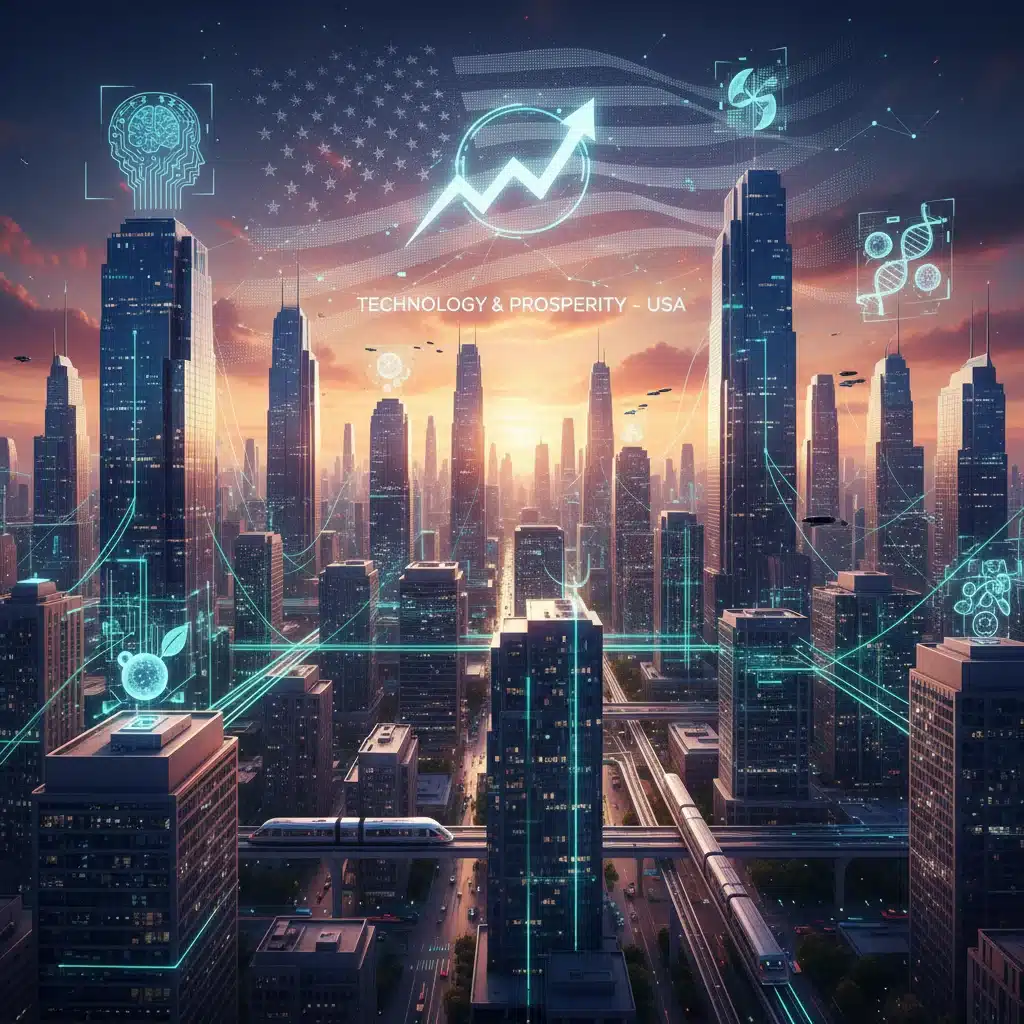
Technological Innovation in the US Economy: Top 3 Growth Areas for 2026
The United States has long been a global beacon of innovation, consistently pushing the boundaries of what’s possible. As we accelerate towards 2026, the landscape of the US economy is being profoundly shaped by several technological innovations. These advancements are not merely incremental improvements; they are foundational shifts creating entirely new industries, revolutionizing existing ones, and driving unprecedented economic growth. Understanding these key areas of US tech innovation is crucial for businesses, policymakers, and individuals looking to thrive in the coming years.
The pace of change is dizzying, and staying ahead requires a keen eye on the emerging trends that promise to deliver the most significant impact. This article will delve into the top three technological innovation areas poised to fuel substantial economic growth in the US by 2026: Artificial Intelligence (AI) and Machine Learning, Clean Energy Technologies, and Biotechnology and Healthcare Innovation. Each of these sectors is characterized by rapid development, significant investment, and the potential to generate immense value and create countless new opportunities.
The Accelerating Pace of US Tech Innovation
Before we dive into the specific growth areas, it’s important to acknowledge the ecosystem that fosters such rapid US tech innovation. The US benefits from a robust venture capital market, world-class research institutions, a culture of entrepreneurship, and a skilled workforce. These factors combine to create fertile ground for groundbreaking technologies to emerge and scale. Government initiatives, such as funding for R&D and supportive regulatory frameworks, also play a critical role in accelerating the adoption and commercialization of new technologies.
The COVID-19 pandemic, while devastating, also acted as a powerful catalyst for digital transformation and scientific discovery, further accelerating trends in areas like remote work, telehealth, and vaccine development. This rapid adaptation has demonstrated the resilience and adaptability of the US economy and its capacity for innovation under pressure. As we move forward, this momentum is expected to continue, with strategic investments and collaborative efforts driving the next wave of economic expansion.
1. Artificial Intelligence (AI) and Machine Learning: The Brains Behind Future Growth
Artificial Intelligence (AI) and its subset, Machine Learning (ML), are arguably the most transformative US tech innovation areas. Their applications are virtually limitless, spanning every sector from healthcare and finance to manufacturing and entertainment. By 2026, AI is expected to be deeply embedded in our daily lives and business operations, driving efficiency, personalization, and new forms of interaction.
Sub-Areas of Growth within AI:
- Generative AI: Beyond just understanding data, generative AI models can create new content—text, images, audio, and even code. This has profound implications for creative industries, software development, and personalized marketing. Companies are already leveraging generative AI for rapid prototyping, content creation, and automating complex design tasks.
- AI in Automation and Robotics: The integration of AI with robotics is leading to more sophisticated automation in manufacturing, logistics, and even service industries. AI-powered robots are becoming more adept at complex tasks, working alongside humans, and operating in challenging environments, significantly boosting productivity and reducing operational costs.
- AI-Powered Analytics and Decision Making: Businesses are increasingly relying on AI to process vast amounts of data, identify patterns, predict trends, and inform strategic decisions. This includes everything from customer behavior analysis and fraud detection to supply chain optimization and personalized medicine. The ability to extract actionable insights from big data gives companies a significant competitive edge.
- Edge AI: Processing AI algorithms closer to the data source (on devices like smartphones, smart sensors, and autonomous vehicles) rather than in centralized cloud servers is becoming critical. Edge AI reduces latency, enhances privacy, and enables real-time decision-making, which is vital for applications like autonomous driving and industrial IoT.
The economic impact of AI is projected to be enormous. According to various reports, AI could add trillions of dollars to the global economy over the next decade. In the US, this translates into significant job creation in AI development, data science, and AI-driven services, while simultaneously transforming existing roles to be more augmented by AI tools. Ethical considerations and responsible AI development will also be critical aspects of this growth.

2. Clean Energy Technologies: Powering a Sustainable Future
The urgent need to address climate change, coupled with the desire for energy independence, has propelled clean energy technologies to the forefront of US tech innovation. This sector is experiencing unprecedented investment and rapid technological advancements, promising a future powered by sustainable and renewable sources. By 2026, we anticipate significant strides in energy generation, storage, and distribution.
Key Areas of Innovation in Clean Energy:
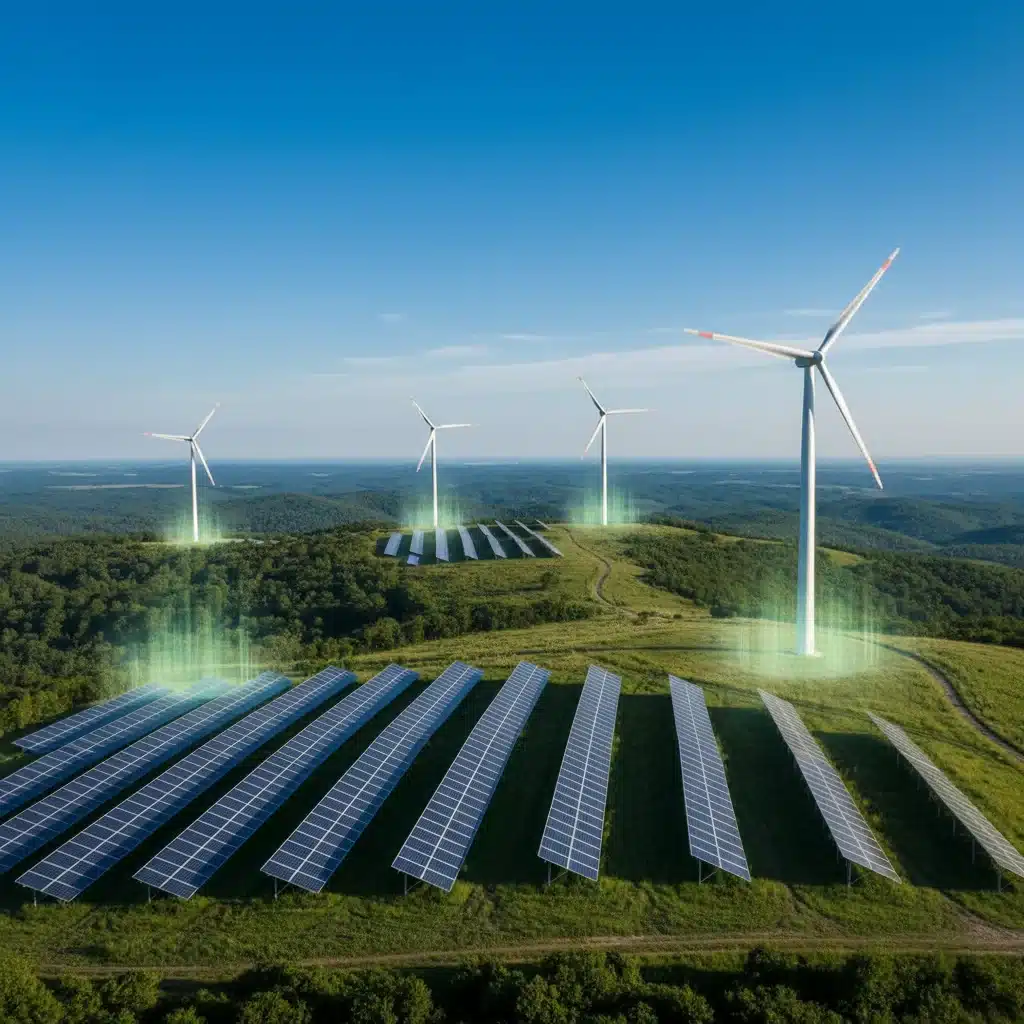
- Advanced Solar and Wind Power: While solar and wind are established technologies, innovation continues to drive down costs and improve efficiency. This includes more efficient photovoltaic materials, advanced turbine designs that capture more energy, and integration with smart grid systems for optimized performance. Offshore wind farms, in particular, are seeing massive investment and technological leaps.
- Battery Storage and Grid Modernization: The intermittency of renewable energy sources makes efficient energy storage critical. Advances in battery technology—including solid-state batteries, flow batteries, and improved lithium-ion chemistries—are making large-scale energy storage more viable and affordable. Concurrently, smart grid technologies are enabling more efficient distribution, demand response, and integration of diverse energy sources.
- Green Hydrogen: Produced by electrolyzing water using renewable electricity, green hydrogen is emerging as a critical clean fuel for heavy industry, long-haul transportation, and energy storage. Significant R&D is focused on reducing the cost of electrolyzers and developing efficient hydrogen infrastructure.
- Carbon Capture, Utilization, and Storage (CCUS): For industries where emissions are hard to abate, CCUS technologies offer a pathway to decarbonization. Innovations in capture materials, energy-efficient processes, and safe storage solutions are making CCUS a more viable option for industries like cement, steel, and power generation.
- Small Modular Reactors (SMRs): While controversial for some, advanced nuclear technologies, specifically SMRs, are gaining traction as a reliable, carbon-free baseload power source. These smaller, more flexible reactors can be deployed faster and potentially safer than traditional nuclear plants, offering a complementary solution to renewables.
The economic benefits of clean energy extend beyond environmental protection. It’s a massive job creator, stimulating manufacturing, installation, R&D, and maintenance roles. Furthermore, energy independence reduces geopolitical risks and provides long-term cost stability for businesses and consumers. Government incentives, such as tax credits and infrastructure investments, are providing a powerful tailwind for this sector’s growth.
3. Biotechnology and Healthcare Innovation: Extending Life and Enhancing Well-being
Biotechnology and healthcare innovation represent another rapidly expanding sector of US tech innovation, driven by breakthroughs in genomics, personalized medicine, and digital health. The goal is not just to treat diseases but to prevent them, extend healthy lifespans, and improve the overall quality of life. By 2026, we will see these innovations increasingly integrated into standard medical practice and consumer health.
Frontier Areas in Biotechnology and Healthcare:
- Genomic Medicine and Gene Editing: Advances in gene sequencing and editing technologies like CRISPR are revolutionizing disease treatment. Personalized medicine, based on an individual’s genetic makeup, is becoming a reality for conditions like cancer and rare genetic disorders. Gene therapies are moving from experimental to approved treatments, offering cures for previously untreatable conditions.
- mRNA Technology Beyond Vaccines: The success of mRNA vaccines during the pandemic has opened doors for its application in other areas. Researchers are exploring mRNA for cancer therapies, autoimmune diseases, and even treating heart conditions, promising a new era of highly targeted and effective treatments.
- Digital Health and Telemedicine: The rapid adoption of telemedicine during the pandemic highlighted the potential of digital health. Innovations in remote monitoring devices, AI-powered diagnostics, virtual reality for therapy, and health data analytics are making healthcare more accessible, efficient, and personalized. This also includes wearable tech that continuously monitors health metrics.
- Advanced Biomanufacturing: This involves using biological systems (e.g., microbes, cell cultures) to produce materials, chemicals, and pharmaceuticals. It offers more sustainable and efficient alternatives to traditional chemical synthesis, with applications ranging from sustainable plastics to novel drug compounds and lab-grown meat.
- Neurotechnology: Innovations in brain-computer interfaces (BCIs) and neurostimulation are showing promise for treating neurological disorders, restoring lost sensory and motor functions, and even enhancing cognitive abilities. While still nascent, this field has profound implications for human health and interaction with technology.
The economic impact of these innovations is multi-faceted. They create high-value jobs in research, development, clinical trials, and specialized manufacturing. They also reduce healthcare costs in the long run by preventing diseases and offering more effective treatments, leading to a healthier and more productive workforce. Ethical considerations, data privacy, and equitable access to these advanced therapies will be crucial discussion points as these technologies mature.
Cross-Cutting Themes and Synergies
It’s important to recognize that these three US tech innovation areas are not developing in isolation. There are significant synergies and cross-pollination occurring:
- AI in Clean Energy: AI algorithms are optimizing energy grids, predicting renewable energy output, and managing battery storage systems more efficiently.
- AI in Biotechnology: AI is accelerating drug discovery, personalizing treatment plans, analyzing complex genomic data, and improving diagnostic accuracy.
- Biotechnology for Clean Energy: Biofuels and biomanufacturing processes can contribute to cleaner energy production and sustainable materials.
These interconnections amplify their collective impact, creating a powerful engine for economic growth and societal advancement. The convergence of these technologies means that breakthroughs in one area often unlock new possibilities in others, creating a virtuous cycle of innovation.
Challenges and Opportunities for US Tech Innovation
While the outlook for US tech innovation is overwhelmingly positive, there are challenges that need to be addressed to fully realize its potential:
- Talent Gap: The demand for skilled professionals in AI, clean energy, and biotech often outpaces supply. Investing in STEM education, reskilling programs, and attracting global talent will be crucial.
- Regulatory Landscape: Balancing innovation with appropriate regulation is a delicate act. Overly burdensome regulations can stifle growth, while a lack of oversight can lead to ethical concerns or market instability.
- Infrastructure Development: The successful deployment of clean energy and digital health solutions requires significant investment in infrastructure, from smart grids to high-speed internet in rural areas.
- Ethical Considerations: As AI and biotech advance, ethical dilemmas surrounding data privacy, bias in algorithms, gene editing, and equitable access to advanced therapies will become more prominent. Proactive engagement and policy development are essential.
- Global Competition: The US faces stiff competition from other nations investing heavily in these same technological areas. Maintaining a competitive edge requires continuous investment and a supportive innovation ecosystem.
Despite these challenges, the opportunities presented by these technological innovations are immense. They promise not only economic prosperity but also solutions to some of humanity’s most pressing problems, from climate change and disease to resource scarcity.
Investment and Policy Implications
To capitalize on these growth areas, both public and private sector investment are critical. Government funding for basic research, tax incentives for R&D, and policies that encourage commercialization are vital. Private equity and venture capital will continue to play a significant role in scaling up promising startups. Furthermore, policies that promote open science, data sharing (where appropriate), and international collaboration can accelerate progress.
Workforce development initiatives are equally important. This includes strengthening educational pipelines from K-12 through higher education, promoting vocational training in emerging tech fields, and supporting lifelong learning for existing workers. A skilled and adaptable workforce is the bedrock of sustained US tech innovation.
Conclusion: A Future Forged by Innovation
The US economy is on the cusp of a new era of growth, driven by relentless US tech innovation. Artificial Intelligence and Machine Learning, Clean Energy Technologies, and Biotechnology and Healthcare Innovation stand out as the primary catalysts for this transformation towards 2026. These sectors are not only creating new industries and jobs but are also fundamentally changing how we live, work, and interact with the world.
Navigating this dynamic landscape requires foresight, adaptability, and a commitment to fostering an environment where innovation can flourish. By focusing on these key technological areas, investing in human capital, and developing supportive policies, the United States can solidify its position as a global leader in technology and ensure a prosperous, sustainable, and healthier future for all its citizens. The journey ahead is filled with challenges, but the potential rewards of these groundbreaking innovations are truly limitless, promising an exciting and transformative period for the nation.