The 2026 Global Food Security Index: How US Policies Influence International Nutrition Trends
Food security is a cornerstone of global stability and human well-being. As we approach 2026, the intricate web of factors influencing the Global Food Security Index (GFSI) becomes increasingly complex, with the policies enacted by major global players, particularly the United States, playing a pivotal role. Understanding the profound and multifaceted impact of US food policy on international nutrition trends is not merely an academic exercise; it is crucial for policymakers, humanitarian organizations, and citizens worldwide who are invested in creating a more food-secure future.
The GFSI, an annual assessment by the Economist Intelligence Unit, measures the drivers of food security across 113 countries, considering affordability, availability, quality and safety, and natural resources and resilience. The United States, as a leading agricultural producer, a significant donor of humanitarian aid, and a dominant force in international trade, wields immense influence over each of these pillars. From domestic agricultural subsidies to international trade agreements and foreign aid initiatives, every facet of US food policy reverberates across continents, affecting food prices, market access, dietary diversity, and the resilience of food systems in developing nations.
This comprehensive analysis will delve into the various mechanisms through which US food policy shapes the 2026 GFSI. We will explore the historical context, examine current policy landscapes, and project future implications, providing a holistic view of America’s role in the global fight against hunger and malnutrition. By dissecting the nuances of US agricultural subsidies, trade policies, food aid programs, and climate change initiatives, we aim to illuminate the pathways through which these decisions translate into tangible outcomes for billions of people worldwide.
Historical Context: Evolution of US Food Policy and Global Impact
To truly grasp the current influence of US food policy, it is essential to trace its historical evolution. Post-World War II, the US emerged as a global agricultural powerhouse, capable of producing surpluses that not only fed its own burgeoning population but also provided crucial relief to war-torn and developing nations. The Public Law 480, or the ‘Food for Peace’ program, enacted in 1954, stands as a landmark example of early US food aid, initially designed to dispose of agricultural surpluses while also addressing humanitarian needs and fostering economic development.
Over the decades, US food policy has adapted to changing geopolitical landscapes and domestic priorities. The Green Revolution, heavily supported by US research and development, introduced high-yield crop varieties and modern farming techniques to developing countries, dramatically increasing food production but also raising questions about sustainability and dependence on external inputs. The 1970s and 80s saw a shift towards market-oriented agricultural policies, with an emphasis on free trade and reduced government intervention, albeit with persistent domestic subsidy programs.
The late 20th and early 21st centuries brought new challenges and policy responses. Globalization intensified, linking national food systems more closely than ever before. Concerns about environmental sustainability, climate change, and the nutritional quality of diets gained prominence. US policy began to grapple with these issues, incorporating elements of sustainable agriculture, addressing food waste, and recognizing the complex interplay between food security, health, and environmental stewardship. This historical trajectory underscores a continuous, albeit evolving, commitment to influencing global food systems, often with a dual focus on national economic interests and international humanitarian goals. The legacy of these past policies undoubtedly shapes the current dynamics that will be reflected in the 2026 GFSI.
Agricultural Subsidies: A Double-Edged Sword for Global Food Markets
One of the most contentious and impactful aspects of US food policy is its system of agricultural subsidies. Designed primarily to support American farmers, stabilize domestic food prices, and ensure a reliable food supply, these subsidies have significant ripple effects on global markets. Billions of dollars are allocated annually to support crops like corn, soybeans, wheat, and cotton, influencing production levels, commodity prices, and international trade dynamics.
On one hand, US agricultural subsidies can contribute to global food availability. By guaranteeing a baseline income for farmers, subsidies encourage consistent production, leading to abundant supplies of key commodities. This can help to keep global food prices lower than they might otherwise be, potentially benefiting food-importing nations and consumers, especially in times of scarcity or price volatility. For countries reliant on purchasing staple foods from the international market, lower prices can translate into greater affordability and improved access for their populations, thereby positively influencing their GFSI scores.
However, the impact is often a double-edged sword. Critics argue that US subsidies distort global markets by artificially lowering commodity prices. This can make it difficult for farmers in developing countries, who often lack similar governmental support, to compete. When subsidized US crops are sold at prices below the production cost of local farmers, it can undermine domestic agricultural sectors in poorer nations, leading to decreased local production, increased dependence on imports, and a loss of livelihoods for smallholder farmers. This phenomenon, often referred to as ‘dumping,’ can exacerbate food insecurity in vulnerable regions, hindering their ability to achieve self-sufficiency and build resilient food systems. The long-term consequences can include rural poverty, migration, and increased vulnerability to external shocks.
Moreover, the types of crops subsidized can influence global dietary patterns. A heavy emphasis on certain commodity crops can indirectly promote their consumption worldwide, sometimes at the expense of more diverse and nutritious local diets. As the 2026 GFSI will increasingly focus on nutritional quality and sustainability, the long-term effects of current subsidy structures on global dietary health will be a critical area of assessment. Reforming these subsidies to align more closely with global food security and sustainability goals remains a significant policy challenge.
Trade Policies and Agreements: Shaping Global Food Flows
Beyond domestic subsidies, US food policy exerts profound influence through its trade policies and international agreements. The United States is a signatory to numerous bilateral and multilateral trade agreements, and its stance within organizations like the World Trade Organization (WTO) sets precedents and shapes the rules of global food commerce. These policies dictate tariffs, quotas, and sanitary and phytosanitary standards, all of which determine how food moves across borders and at what cost.
Liberalized trade, championed by the US, can enhance food security by increasing the availability of food products and promoting efficiency in agricultural production. By allowing countries to specialize in crops they grow most efficiently and import others, trade can lead to a more diverse and affordable food supply. For nations with limited arable land or adverse climatic conditions, access to global markets is paramount for ensuring food availability. Trade agreements can also facilitate the transfer of agricultural technology and knowledge, potentially boosting productivity in developing countries.
However, trade policies are not without their drawbacks, particularly for food security. Unfettered free trade, especially when combined with agricultural subsidies in wealthier nations, can disadvantage small-scale farmers in developing countries. They may struggle to compete with cheaper, often subsidized, imports, leading to market displacement and economic hardship. Furthermore, reliance on global markets can expose countries to price volatility, supply chain disruptions, and geopolitical shocks, making their food systems less resilient. A sudden spike in global commodity prices, for instance, can have devastating effects on net food-importing countries, pushing millions into hunger.
The US approach to intellectual property rights in agriculture, particularly concerning genetically modified organisms (GMOs) and proprietary seeds, also carries significant implications. While proponents argue that these technologies can boost yields and nutritional content, critics express concerns about their impact on farmer autonomy, biodiversity, and the potential for increased corporate control over the food supply chain. As the 2026 GFSI evaluates technological advancements and their role in food security, these debates surrounding intellectual property and agricultural innovation will remain central.
Food Aid Programs: Humanitarian Lifeline and Development Tool
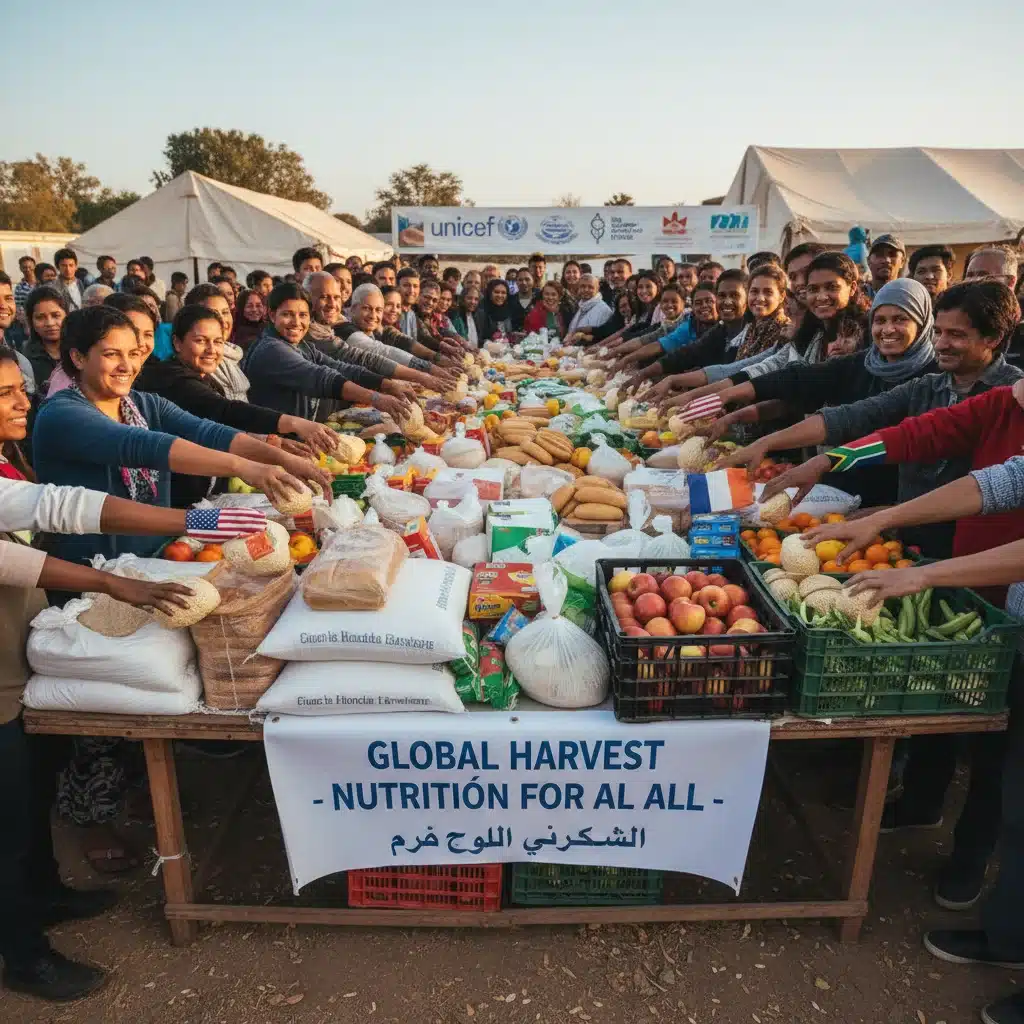
The United States has historically been the world’s largest donor of international food aid, providing billions of dollars in assistance to countries facing humanitarian crises, chronic hunger, and food shortages. Programs like USAID’s Food for Peace continue to serve as a critical lifeline, offering emergency relief in conflict zones, after natural disasters, and in regions suffering from prolonged drought or economic collapse. This direct intervention undeniably saves lives and alleviates immediate suffering, thereby having a direct and positive impact on the GFSI scores of recipient nations, particularly in the availability and affordability dimensions.
Beyond emergency relief, US food policy also utilizes food aid as a development tool. ‘Food for Work’ or ‘Food for Education’ programs, for example, provide food commodities in exchange for labor on infrastructure projects or as incentives for school attendance. These initiatives aim to address the root causes of food insecurity by building community assets, improving human capital, and fostering long-term development. Such programs contribute to strengthening local economies and improving resilience, aspects increasingly emphasized by the GFSI.
Despite its humanitarian imperative, US food aid has faced criticism and undergone significant reforms. Historically, a large portion of US food aid was ‘tied aid,’ meaning it had to be purchased from American farmers, processed in the US, and transported on US-flagged vessels. While this supported the US agricultural and shipping industries, it often led to higher costs, slower delivery times, and sometimes the dumping of surplus commodities that could disrupt local markets in recipient countries. Critics argued that this approach prioritized US economic interests over the efficiency and effectiveness of aid delivery.
In recent years, there has been a push towards more flexible and efficient food aid mechanisms, including greater use of local and regional procurement. This involves purchasing food directly from farmers in or near the recipient country, which can stimulate local economies, reduce transportation costs, and ensure more timely and culturally appropriate food assistance. The shift towards cash transfers and food vouchers also empowers beneficiaries to purchase food from local markets, further supporting local economies and offering greater choice. These reforms, driven by a growing understanding of effective development practices, are likely to enhance the positive impact of US food aid on the 2026 GFSI by fostering greater sustainability and resilience in recipient food systems.
Climate Change and Environmental Sustainability: A Growing Policy Frontier
The nexus between climate change, environmental sustainability, and food security has become increasingly undeniable. The 2026 GFSI will place a significant emphasis on natural resources and resilience, evaluating how countries are adapting to and mitigating the impacts of climate change on their food systems. US food policy, particularly its stance on climate action and agricultural sustainability, holds substantial weight in this global endeavor.
The United States, as a major emitter of greenhouse gases and a significant agricultural producer, has a critical role to play in addressing climate change. US agricultural practices, from land use to fertilizer application, contribute to emissions, but also offer opportunities for carbon sequestration and sustainable land management. Policies promoting conservation tillage, cover cropping, precision agriculture, and reduced food waste can enhance the resilience of US agriculture while also setting an example for other nations.
Internationally, US leadership (or lack thereof) on climate change agreements and initiatives directly impacts the global capacity to address climate-induced food insecurity. Funding for climate adaptation and mitigation projects in developing countries, support for climate-resilient crop research, and engagement in international forums on sustainable agriculture are all critical components of US food policy that will influence the GFSI. Extreme weather events, changing precipitation patterns, and rising sea levels pose existential threats to agricultural production in many vulnerable regions, making international cooperation and robust climate policies essential.
Furthermore, US policy on food waste and resource efficiency also has global implications. Developed nations, including the US, contribute significantly to global food waste, which represents a colossal loss of resources and a major contributor to greenhouse gas emissions. Policies that incentivize food waste reduction, improve supply chain efficiency, and promote composting and recycling can free up resources, reduce environmental impact, and indirectly enhance global food security by making more food available and reducing the ecological footprint of food production.
Innovation and Technology: Driving Future Food Security
Innovation and technology are powerful drivers of progress in food security, and US food policy plays a crucial role in fostering and disseminating these advancements. From agricultural biotechnology to precision farming and data analytics, American research institutions and private companies are at the forefront of developing solutions to enhance crop yields, improve disease resistance, and optimize resource use.
US government funding for agricultural research, both domestically and through international partnerships, contributes significantly to global knowledge creation. Investments in public research universities and agencies like the USDA drive breakthroughs that can be adapted and applied worldwide. For instance, drought-resistant crop varieties developed in US labs can offer critical resilience to farmers in arid regions of Africa or Asia, directly impacting their ability to produce food in challenging environments.
However, the global adoption of these technologies is often influenced by US regulatory frameworks and trade policies. The debate surrounding genetically modified organisms (GMOs) is a prime example. While the US generally has a permissive regulatory environment for GMOs, many other countries have stricter regulations or outright bans, often driven by consumer concerns or protectionist sentiments. This divergence in policy can hinder the widespread adoption of technologies that US scientists argue could significantly boost food production and address nutritional deficiencies in developing nations. The 2026 GFSI will likely consider the role of technological innovation in improving food quality, safety, and sustainability, making the US approach to fostering and regulating these advancements highly relevant.
Beyond biotechnology, digital agriculture, including the use of drones, sensors, and artificial intelligence for crop monitoring and resource management, is another area where US innovation is strong. Policies that support the development and equitable deployment of these technologies, especially in ways that are accessible and affordable for smallholder farmers globally, can have transformative effects. Ensuring that the benefits of technological progress are shared widely, rather than exacerbating existing inequalities, will be a key challenge for US food policy in the coming years.
The Role of International Cooperation and Diplomacy
Finally, the influence of US food policy extends significantly through its engagement in international cooperation and diplomatic efforts. The United States participates actively in global forums such as the Food and Agriculture Organization (FAO) of the United Nations, the World Food Programme (WFP), and the G7/G20 summits, where critical decisions regarding global food security are made. Through these platforms, the US can champion policies, advocate for funding, and foster collaborations that have far-reaching impacts.
US diplomacy can play a crucial role in resolving conflicts, which are often a primary driver of food insecurity. By promoting peace and stability, the US indirectly contributes to creating environments where agricultural production can thrive and humanitarian aid can reach those in need. Furthermore, US leadership in establishing international norms and standards for food safety, trade, and environmental protection helps to create a more predictable and stable global food system.
Multilateral initiatives, often spearheaded or heavily supported by the US, also contribute to building resilience in food systems. Programs aimed at strengthening early warning systems for food crises, building national strategic food reserves, or improving infrastructure for food storage and distribution in vulnerable countries are examples of how US engagement can translate into tangible improvements in food security. The focus on capacity building and empowering local communities to manage their own food systems is also a growing aspect of US international development policy.
The effectiveness of this diplomatic influence, however, relies heavily on consistent engagement and a coherent strategic vision. Shifts in US foreign policy priorities, changes in funding levels for international development, or a retreat from multilateralism can have immediate and detrimental effects on global food security efforts. As the 2026 GFSI assesses the robustness of global food systems, the steadiness and direction of US international cooperation will be a significant determinant of progress.
Challenges and Future Directions for US Food Policy
Despite its significant influence and resources, US food policy faces numerous challenges in effectively addressing global food security. Geopolitical instability, ongoing conflicts, the escalating climate crisis, and persistent economic inequalities all complicate efforts to ensure adequate nutrition for all. The COVID-19 pandemic further exposed the fragility of global supply chains and the disproportionate impact of crises on vulnerable populations, underscoring the need for more resilient and equitable food systems.
Looking towards 2026 and beyond, several key areas will demand increased attention and potentially significant shifts in US food policy. Firstly, there is a growing imperative to align agricultural subsidies more closely with environmental sustainability and global food security objectives. This could involve incentivizing climate-smart agricultural practices, supporting diversified farming systems, and reducing reliance on commodity crops that may contribute to market distortions.
Secondly, trade policies need to be re-evaluated to ensure they genuinely promote equitable development and do not inadvertently undermine nascent agricultural sectors in developing countries. This could mean exploring more flexible trade agreements that provide special and differential treatment for less developed economies, or strengthening safeguards against unfair trade practices.
Thirdly, while US food aid remains vital, continued reforms towards local and regional procurement, cash transfers, and a greater focus on building long-term food system resilience will enhance its effectiveness and sustainability. Shifting from a reactive emergency response model to a more proactive, preventative approach will be crucial.
Finally, sustained and robust US leadership on climate change and investment in agricultural innovation and research, with an emphasis on equitable access and dissemination, will be paramount. This includes not only developing new technologies but also ensuring that smallholder farmers in the Global South can access and afford them, empowering them to adapt to changing environmental conditions and improve their livelihoods.
Conclusion: The Indispensable Role of US Policy in Global Food Security
The 2026 Global Food Security Index will undoubtedly reflect the ongoing and profound impact of US food policy on international nutrition trends. From the vast fields of American agriculture, through the intricate pathways of global trade, to the humanitarian lifelines of food aid, the decisions made in Washington D.C. reverberate across every corner of the planet. The United States’ unique position as a major food producer, economic power, and diplomatic actor means its approach to food security is not merely a domestic concern but a global responsibility.
While US policies have historically contributed to both progress and challenges in global food security, the path forward demands a renewed commitment to coherence, sustainability, and equity. By strategically aligning agricultural subsidies with environmental goals, crafting trade policies that support rather than undermine developing economies, evolving food aid to be more efficient and market-friendly, and championing climate action and equitable innovation, the US has the potential to significantly enhance global food security. The well-being of billions hinges on these policy choices, making the ongoing evolution of US food policy a critical determinant of a more food-secure and sustainable world in 2026 and beyond.
As we look to the future, the integration of health, environmental, and economic considerations into a holistic US food policy framework will be essential. The challenges are immense, but so too is the opportunity for the United States to lead by example, fostering resilient food systems that can withstand future shocks and ensure nutritious food for all. The 2026 GFSI will serve as a crucial benchmark, reflecting not just the state of global food security, but also the effectiveness and foresight of the policies that shape it.