National CPI Rises 0.4% in October: Understanding Inflationary Pressures
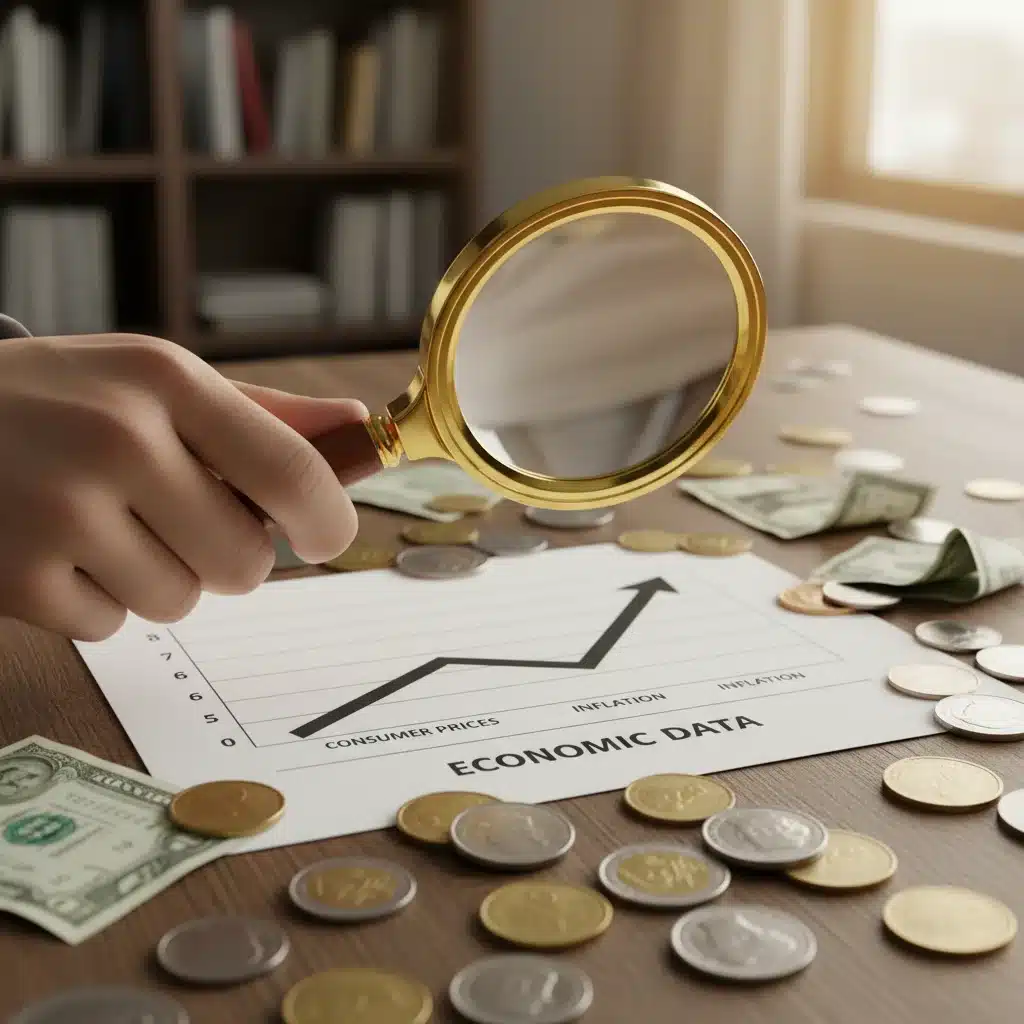
The economic landscape continues to be a topic of intense discussion, and the latest release regarding the National Consumer Price Index (CPI) has only added fuel to the fire. In October, the National CPI experienced a notable increase of 0.4%, a figure that, while seemingly small, carries significant implications for households, businesses, and policymakers alike. This rise signals continued inflationary pressures across various sectors of the economy, prompting a deeper dive into what this means for the average consumer and the broader economic outlook.
Understanding the CPI is crucial for grasping the health of an economy. It serves as a key indicator, measuring the average change over time in the prices paid by urban consumers for a market basket of consumer goods and services. When the National CPI rises, it essentially means that the cost of living is increasing, and your purchasing power is diminishing. The 0.4% increase in October, following previous months of elevated inflation, reinforces the narrative that price stability remains a significant challenge.
This article will dissect the various components contributing to this latest surge in the National CPI, explore the immediate and long-term consequences for different segments of society, and discuss potential strategies for navigating an inflationary environment. We will also touch upon the role of monetary policy and what future actions might be expected from central banks in response to these persistent price increases.
Decoding the 0.4% National CPI Rise: What’s Driving It?
A 0.4% increase in the National CPI doesn’t happen in a vacuum. It’s the culmination of various economic forces and sector-specific price adjustments. To truly understand the current inflationary environment, we need to break down the key contributors to this latest rise.
Energy Prices: A Persistent Factor
One of the most immediate and often volatile components influencing the CPI is energy. In October, energy prices, particularly gasoline and natural gas, continued their upward trajectory. Global supply chain disruptions, geopolitical tensions, and increased demand as economies rebound have all played a role in pushing energy costs higher. This directly impacts consumers at the pump and through higher utility bills, but it also has a ripple effect on nearly every other sector, as transportation and production costs for goods and services increase.
Food Costs: A Growing Concern
Another significant driver of the National CPI rise is the persistent increase in food prices. From staples like bread and milk to fresh produce and meat, consumers are seeing higher prices at the grocery store. Factors contributing to this include adverse weather conditions affecting agricultural yields, increased fertilizer and feed costs, labor shortages in the food production and distribution sectors, and higher transportation expenses. For many households, food is a non-discretionary expense, making these increases particularly impactful on their budgets.
Shelter Costs: A Steadily Rising Tide
Housing, encompassing rent and owners’ equivalent rent, is typically the largest component of the CPI. In recent months, shelter costs have shown a consistent upward trend. Strong demand, limited housing supply, and higher mortgage rates are contributing to a challenging environment for both renters and prospective homeowners. These sustained increases in shelter costs exert significant upward pressure on the overall National CPI, as they represent a substantial portion of household expenditures.
Supply Chain Issues and Labor Shortages
The lingering effects of global supply chain disruptions continue to contribute to inflationary pressures. Bottlenecks in manufacturing, shipping delays, and increased raw material costs translate into higher prices for a wide array of goods, from electronics to automobiles. Alongside this, labor shortages across various industries are leading to higher wages, which businesses often pass on to consumers in the form of higher prices. This wage-price spiral is a classic characteristic of an inflationary period and is a concern for policymakers.
Strong Consumer Demand
Despite the rising prices, consumer demand has remained relatively robust in many sectors. This strong demand, often fueled by accumulated savings and government stimulus measures from previous periods, allows businesses to pass on higher costs without significantly impacting sales volumes. When demand outstrips supply, prices naturally tend to rise, further contributing to the National CPI’s upward movement.
Understanding these multifaceted drivers is essential for appreciating the complexity of the current inflationary landscape and the challenges faced by central banks in attempting to rein in price increases without stifling economic growth.
The Impact of the National CPI Rise on Consumers and Businesses
The 0.4% National CPI rise in October is not just a statistic; it translates into tangible effects on the daily lives of consumers and the operational realities of businesses. These impacts can be widespread and vary depending on individual circumstances and business models.
For Consumers: Erosion of Purchasing Power
The most immediate and noticeable effect for consumers is the erosion of purchasing power. As prices for goods and services increase, each dollar buys less than it did before. This means that household budgets are stretched thinner, and families may find it harder to afford essential items or discretionary spending. For those on fixed incomes, such as retirees, the impact can be particularly severe, as their income does not adjust to the rising cost of living.
Increased Cost of Living
Everyday expenses become more burdensome. Groceries, utility bills, transportation costs, and rent all consume a larger portion of household income. This can lead to difficult choices, forcing families to cut back on savings, postpone major purchases, or even accumulate debt to cover basic needs. The psychological effect of constantly rising prices can also lead to increased financial stress and uncertainty.
Impact on Savings and Investments
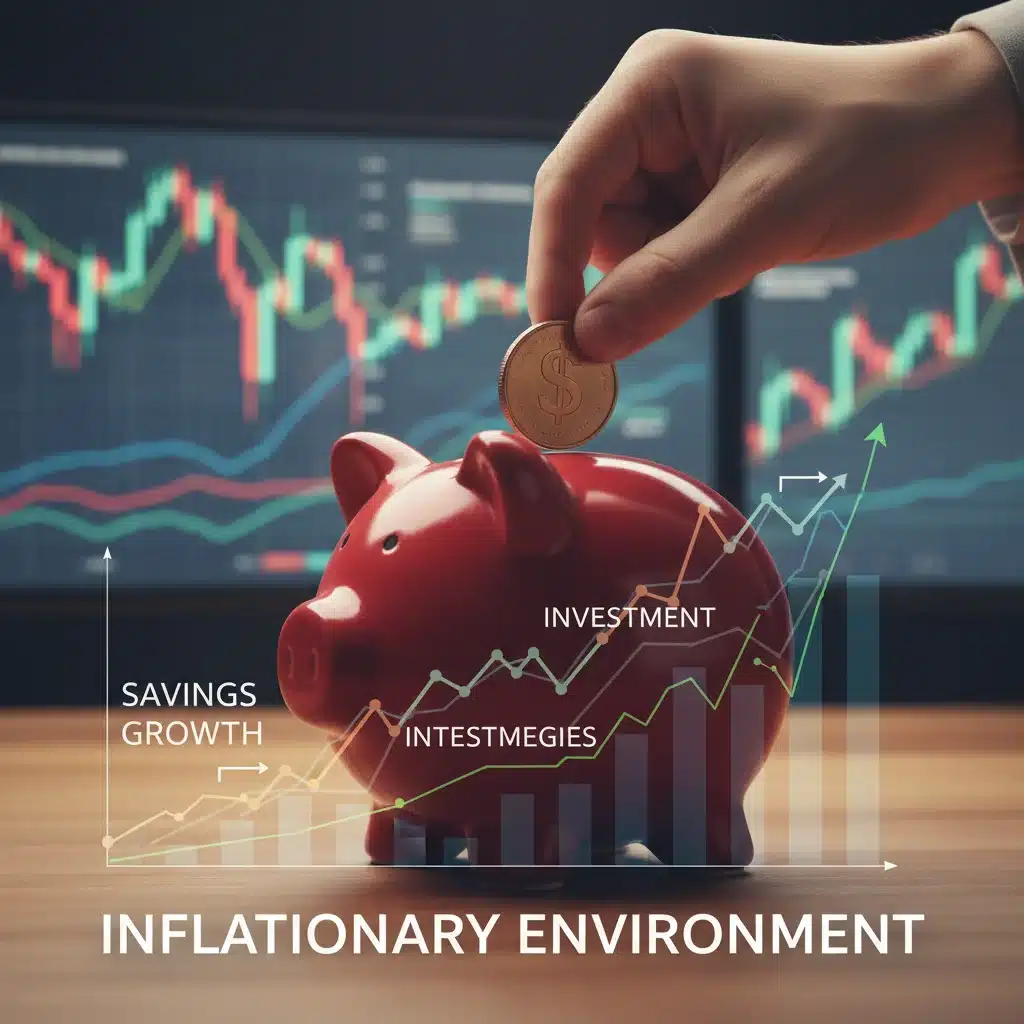
Inflation erodes the real value of savings. Money held in traditional savings accounts or under the mattress loses its purchasing power over time. While some investments, like certain stocks or real estate, can offer a hedge against inflation, others, particularly fixed-income investments, may struggle to keep pace with rising prices. Consumers need to carefully consider their investment strategies in an inflationary environment to protect their wealth.
Wage-Price Spiral Concerns
While some workers may see wage increases, these often lag behind the rate of inflation. If wages do rise significantly to compensate for higher prices, it can sometimes create a ‘wage-price spiral,’ where higher wages lead to higher production costs, which in turn lead to even higher prices, perpetuating the inflationary cycle. This can be difficult to break and can lead to sustained periods of high inflation.
For Businesses: Navigating Higher Costs and Shifting Demand
Businesses are also significantly affected by a rising National CPI. They face increased costs for raw materials, labor, energy, and transportation. This puts pressure on their profit margins and forces them to make strategic decisions.
Rising Input Costs
Manufacturers face higher costs for raw materials, components, and energy. Retailers see increased transportation and warehousing expenses. Service providers might contend with higher labor costs and utility bills. These rising input costs mean that businesses either absorb the costs, reducing their profitability, or pass them on to consumers through higher prices, potentially impacting demand.
Pricing Strategies and Competition
Deciding when and how much to raise prices is a delicate balancing act for businesses. Raising prices too much or too quickly can deter customers and lead to a loss of market share. Not raising prices enough can erode profit margins to an unsustainable level. Businesses must carefully analyze their cost structures, competitive landscape, and consumer price sensitivity before adjusting their pricing strategies.
Investment and Expansion Decisions
Inflation can also influence investment decisions. Higher interest rates, often a response to inflation, make borrowing more expensive, which can discourage businesses from investing in new projects, expanding operations, or hiring additional staff. Uncertainty about future price levels can also make long-term planning more challenging.
Supply Chain Resilience
The inflationary environment, often linked to supply chain disruptions, highlights the importance for businesses to build more resilient supply chains. This might involve diversifying suppliers, localizing production, or investing in inventory management systems to mitigate the impact of future disruptions and associated cost increases.
In essence, the National CPI rise creates a complex economic environment where both consumers and businesses must adapt to changing financial realities, making informed decisions to protect their financial well-being and operational stability.
The Federal Reserve’s Stance and Monetary Policy Responses
When the National CPI shows persistent increases, as it did with the 0.4% rise in October, the spotlight inevitably turns to the central bank, typically the Federal Reserve in the United States. The Fed’s primary mandates include maintaining maximum employment and price stability. With inflation running higher than its target, the Fed faces a critical challenge in balancing these objectives.
Interest Rate Hikes: The Primary Tool
The most common tool the Federal Reserve employs to combat inflation is adjusting the federal funds rate. By raising this benchmark interest rate, the Fed makes borrowing more expensive across the economy. This, in turn, can slow down economic activity by:
- Discouraging borrowing: Higher interest rates mean more expensive mortgages, car loans, and business loans, which can cool demand for goods and services.
- Encouraging saving: Higher interest rates on savings accounts and bonds make saving more attractive, potentially reducing consumer spending.
- Reducing investment: Businesses may postpone expansion plans due to higher borrowing costs and a less favorable economic outlook.
The goal is to reduce aggregate demand, thereby alleviating pressure on prices. However, there’s a delicate balance; raising rates too aggressively can push the economy into a recession, leading to job losses.
Quantitative Tightening (QT)
Beyond interest rate hikes, the Fed can also engage in quantitative tightening (QT). This involves reducing the size of its balance sheet by allowing its holdings of government bonds and mortgage-backed securities to mature without reinvesting the proceeds. QT effectively removes liquidity from the financial system, which can also help to temper inflation by making credit less available and more expensive.
Forward Guidance and Communication
The Federal Reserve also uses forward guidance – communicating its future policy intentions – to influence market expectations. Clear communication about the Fed’s commitment to fighting inflation can help anchor inflation expectations, which is crucial because if people expect prices to continue rising, they may demand higher wages and businesses may raise prices preemptively, creating a self-fulfilling prophecy.
Challenges for the Fed
The current inflationary environment presents unique challenges for the Fed:
- Supply-side vs. Demand-side Inflation: A significant portion of the current inflation is driven by supply-side factors (e.g., supply chain disruptions, energy shocks) which monetary policy has less direct control over. While raising rates can cool demand, it doesn’t directly fix a shortage of semiconductors or oil.
- Lag Effects: Monetary policy actions do not have an immediate impact on the economy. There are significant lags, meaning the full effects of today’s rate hikes might not be felt for many months. This makes it difficult to gauge the appropriate pace and magnitude of policy adjustments.
- Global Factors: Inflation is a global phenomenon. Factors like the war in Ukraine, global energy prices, and international supply chain issues are beyond the Fed’s control but significantly impact domestic inflation.
The 0.4% National CPI rise in October will undoubtedly be a key piece of data considered by the Federal Reserve in its upcoming meetings as it deliberates on the path forward for monetary policy, aiming to restore price stability without causing undue economic hardship.

Strategies for Navigating an Inflationary Environment
With the National CPI continuing to rise, individuals and businesses must adopt proactive strategies to mitigate the negative effects of inflation. Adapting to this economic reality can help protect purchasing power and financial stability.
For Individuals and Households:
1. Budgeting and Expense Tracking:
In an inflationary period, meticulous budgeting becomes even more critical. Track all income and expenses to identify where your money is going. Look for areas where you can cut back on non-essential spending. Understanding your spending habits is the first step to making informed financial decisions.
2. Seek Income Growth:
If possible, look for opportunities to increase your income. This could involve asking for a raise at work, taking on a side hustle, or investing in skills that lead to higher-paying jobs. Your income needs to keep pace with or exceed the rate of inflation to maintain your standard of living.
3. Smart Investing:
Re-evaluate your investment portfolio. Assets that tend to perform well during inflationary periods include real estate, commodities (like gold or oil), Treasury Inflation-Protected Securities (TIPS), and certain stocks (especially those of companies with strong pricing power). Diversification remains key, but consider adjusting your allocation to include inflation-hedging assets.
4. Reduce Debt Strategically:
While inflation can erode the real value of fixed-rate debt (like a long-term mortgage), variable-rate debt (like credit card balances) becomes more expensive as interest rates rise. Prioritize paying down high-interest, variable-rate debt to reduce your financial burden.
5. Energy and Food Conservation:
Given the significant role of energy and food in the National CPI rise, finding ways to conserve can directly impact your budget. This could mean being more energy-efficient at home, planning meals to reduce food waste, and looking for sales and discounts on groceries.
For Businesses:
1. Cost Management and Efficiency:
Businesses must rigorously analyze their cost structures. Look for opportunities to improve operational efficiency, negotiate better deals with suppliers, and explore alternative, more cost-effective inputs. Investing in automation or technology can also help reduce labor costs and increase productivity.
2. Strategic Pricing:
Develop a nuanced pricing strategy. This might involve gradually increasing prices, implementing surcharges, or offering tiered pricing models. Communicate price changes transparently to customers to maintain trust. Focus on value proposition to justify higher prices.
3. Supply Chain Optimization:
Strengthen supply chain resilience. This includes diversifying suppliers to reduce reliance on a single source, exploring local sourcing options to minimize transportation costs and delays, and building strategic inventory buffers for critical components. Proactive supply chain management can mitigate the impact of rising input costs.
4. Employee Retention and Compensation:
Labor shortages and demands for higher wages are common during inflation. Businesses need to balance competitive compensation with maintaining profitability. Investing in employee training and retention programs can reduce turnover costs and ensure a skilled workforce. Consider non-monetary benefits to enhance employee satisfaction.
5. Hedging Strategies:
Larger businesses might consider financial hedging strategies to protect against volatile commodity prices or currency fluctuations. This can help stabilize costs and provide greater predictability in an uncertain environment.
Navigating persistent inflation requires vigilance, adaptability, and strategic planning. By implementing these strategies, both individuals and businesses can better weather the economic challenges posed by a rising National CPI.
Future Outlook and Expert Predictions for the National CPI
The 0.4% National CPI rise in October has intensified discussions about the future trajectory of inflation. Economists, policymakers, and market analysts are closely watching various indicators to predict whether this elevated inflation is transitory or if it’s becoming a more entrenched feature of the economic landscape.
Key Factors Influencing Future CPI Movements:
1. Federal Reserve’s Monetary Policy:
The Fed’s actions will be paramount. Continued interest rate hikes and quantitative tightening are designed to cool demand and bring inflation back to its target. The pace and duration of these tightening measures will significantly influence how quickly and effectively inflation is brought under control. The market is particularly sensitive to signals from the Fed regarding its commitment to price stability.
2. Resolution of Supply Chain Issues:
Many experts believe that a significant portion of current inflation stems from supply-side disruptions. As global supply chains untangle, shipping costs decrease, and production capacity improves, some of the inflationary pressures on goods prices could abate. However, the timeline for a full resolution remains uncertain and is subject to geopolitical events and future demand patterns.
3. Geopolitical Stability and Energy Markets:
Global events, particularly those affecting energy-producing regions, have a direct and immediate impact on energy prices, which are a major component of the CPI. Any escalation or de-escalation of conflicts, or shifts in oil production policies, could significantly alter the inflation outlook. A stable and well-supplied energy market would be a strong disinflationary force.
4. Labor Market Dynamics:
The tightness of the labor market, characterized by low unemployment and high job vacancies, continues to put upward pressure on wages. If wage growth consistently outpaces productivity gains, it can contribute to a wage-price spiral, making inflation more persistent. A gradual rebalancing of the labor market, potentially through increased labor force participation, could help ease these pressures.
5. Consumer and Business Expectations:
Inflationary expectations can become self-fulfilling. If consumers and businesses expect prices to continue rising, they may adjust their behavior accordingly (e.g., demanding higher wages, raising prices), thereby embedding inflation into the economy. The Fed’s communication and actions play a crucial role in anchoring these expectations.
Expert Predictions:
While there’s no universal consensus, many economists anticipate that the rate of inflation will likely moderate in the coming year, but perhaps not return to pre-pandemic levels as quickly as initially hoped. The expectation is for a gradual deceleration rather than a sharp drop.
- Near-term persistence: The immediate future may still see elevated inflation due to existing momentum and the lagged effects of past price increases.
- Gradual deceleration: As monetary policy takes hold and supply chains improve, the rate of increase in the National CPI is expected to slow down through the next year.
- Higher ‘new normal’: Some experts suggest that we might settle into a ‘new normal’ where inflation runs slightly higher than the pre-pandemic average, perhaps closer to 2.5-3% rather than the Fed’s 2% target, due to structural shifts in global trade and energy markets.
- Risk of Recession: A significant concern is that the aggressive measures needed to curb inflation could inadvertently trigger an economic slowdown or even a recession, creating a difficult trade-off for policymakers.
The 0.4% National CPI rise in October serves as a stark reminder that inflationary pressures are still very much present. The coming months will be critical in determining whether the current economic policies are sufficient to guide the economy towards price stability without derailing growth.
Conclusion: Adapting to a Changing Economic Climate
The 0.4% National CPI rise in October is more than just a data point; it’s a clear signal that inflationary pressures continue to be a dominant force in the economy. This persistent increase in the cost of living impacts every individual and business, reshaping financial planning, consumption patterns, and operational strategies. From the grocery store aisle to the boardrooms of large corporations, the effects of rising prices are palpable and demand careful consideration.
We’ve explored the multifaceted reasons behind this latest surge, including the relentless climb in energy and food prices, the stubbornness of supply chain bottlenecks, and the tightness of the labor market. These factors combine to create a complex environment where simple solutions are elusive.
For consumers, the message is clear: vigilance in budgeting, strategic saving, and smart investing are no longer optional but essential. Protecting purchasing power in an era of rising costs requires proactive financial management and a keen awareness of where your money is going. Exploring opportunities for income growth and making conscious choices about energy and food consumption can provide some relief against the inflationary tide.
Businesses, on the other hand, are tasked with the delicate balancing act of managing escalating input costs while maintaining competitive pricing and customer loyalty. This necessitates a focus on operational efficiencies, robust supply chain management, and thoughtful pricing strategies that communicate value. The ability to adapt quickly to changing economic conditions will be a hallmark of successful enterprises in this environment.
The Federal Reserve and other central banks face the challenging task of taming inflation without triggering an economic downturn. Their monetary policy decisions, particularly regarding interest rates and quantitative tightening, will be crucial in shaping the future trajectory of the National CPI. However, given the global nature of many inflationary drivers, their tools have limitations.
Looking ahead, while many experts anticipate a gradual moderation of inflation, the path back to consistent price stability is likely to be bumpy. Geopolitical events, further supply chain disruptions, and the evolution of labor market dynamics could all influence the speed and extent of this deceleration. The current economic climate demands that we remain informed, adaptable, and strategic in our financial and business decisions.
Ultimately, the latest National CPI report underscores the imperative for both individuals and businesses to build resilience and flexibility into their financial structures. Understanding the nuances of inflation and implementing sound strategies will be key to navigating these ongoing economic challenges and emerging stronger on the other side.