Agricultural Outlook 2026: USDA Predicts 3% Crop Production Increase Amidst Climate Challenges
Agricultural Outlook 2026: USDA Predicts a 3% Increase in Crop Production Despite Climate Challenges
The agricultural landscape is perennially dynamic, shaped by a confluence of economic forces, technological advancements, and, increasingly, the unpredictable hand of climate change. As we look towards 2026, the United States Department of Agriculture (USDA) has released its comprehensive agricultural outlook, offering a nuanced forecast that projects a promising 3% increase in overall crop production. This optimistic prediction, however, is tempered by a clear-eyed acknowledgment of persistent and evolving climate challenges. Understanding this USDA crop outlook 2026 is crucial for farmers, policymakers, investors, and consumers alike, as it outlines the potential trajectory of food security, market stability, and sustainable practices in the coming years.
The USDA’s annual outlook serves as a vital compass for the agricultural sector, providing detailed analyses and projections for commodity markets, trade, farm income, and food prices. For 2026, the 3% increase in crop production is a testament to several factors: continued innovation in farming techniques, genetic improvements in crop varieties, and strategic land management. Yet, this growth is not without its hurdles. Climate change, with its manifestations in extreme weather events, altered growing seasons, and increased pest pressures, casts a long shadow over these projections, demanding adaptive strategies and resilient agricultural systems.
In this extensive analysis, we will delve into the specifics of the USDA crop outlook 2026, exploring the driving forces behind the projected production increase, examining the multifaceted climate challenges, and discussing the strategies and innovations that will be pivotal for navigating the future of farming. We will also consider the implications for global food security, market dynamics, and the ongoing pursuit of sustainable agriculture.
Decoding the USDA Crop Outlook 2026: A Closer Look at the Numbers
The USDA’s projection of a 3% increase in crop production for 2026 is an aggregate figure that encompasses a diverse range of commodities. While specific breakdowns for each crop will vary, the overall positive trend reflects an expected rebound or continued growth in key sectors. This optimism is rooted in several foundational assumptions and observed trends.
Key Drivers of Projected Growth
Several factors are anticipated to contribute to this upward trend in the USDA crop outlook 2026:
- Technological Advancements: The rapid adoption of precision agriculture technologies continues to revolutionize farming. GPS-guided machinery, variable-rate fertilizer application, and advanced irrigation systems optimize resource use, reduce waste, and boost yields. Data analytics and AI are increasingly used to make informed decisions regarding planting, pest control, and harvesting.
- Improved Crop Genetics: Ongoing research and development in biotechnology and traditional breeding methods are yielding crop varieties that are more resilient to diseases, pests, and adverse weather conditions. These new varieties often exhibit higher yield potentials and improved nutritional profiles.
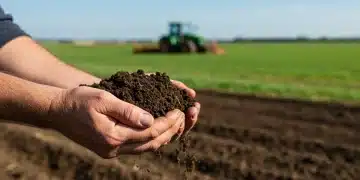
- Efficient Land Use: Farmers are continually seeking ways to maximize productivity from existing agricultural land. This includes practices like no-till farming, cover cropping, and optimized crop rotations, which enhance soil health and fertility, leading to better yields over time.
- Market Demand and Prices: While subject to fluctuation, generally stable or slightly increasing global demand for agricultural products, coupled with favorable commodity prices in certain sectors, incentivizes farmers to increase production.
- Government Support and Policies: Agricultural policies, subsidies, and insurance programs play a crucial role in providing a safety net for farmers, encouraging investment in production, and mitigating risks.
Commodity-Specific Projections
While the 3% is an average, individual crop performance will differ. Grains like corn and soybeans, which dominate vast acreage, often drive the overall production figures. The USDA crop outlook 2026 will likely detail specific expectations for:
- Corn: Expected to maintain its position as a leading crop, with yield improvements driven by genetic advancements and precision farming.
- Soybeans: Demand from both domestic and international markets (especially for animal feed and biofuels) will likely support continued strong production.
- Wheat: Production could see modest gains, influenced by global supply-demand dynamics and regional weather patterns.
- Specialty Crops: Fruits, vegetables, and other high-value crops may see localized growth, often driven by consumer preferences for fresh and healthy produce, and supported by controlled environment agriculture (CEA).
These projections are not static; they are subject to review and adjustment as new data becomes available and as unforeseen events unfold. However, the current USDA crop outlook 2026 provides a foundational understanding of the anticipated growth trajectory.
The Shadow of Climate Change: Persistent Challenges for Agriculture
Despite the optimistic production forecast, the specter of climate change looms large over the agricultural sector. Its impacts are no longer theoretical but are manifest in tangible shifts that challenge traditional farming practices and threaten long-term food security. The USDA crop outlook 2026 implicitly acknowledges these challenges, even as it projects growth.
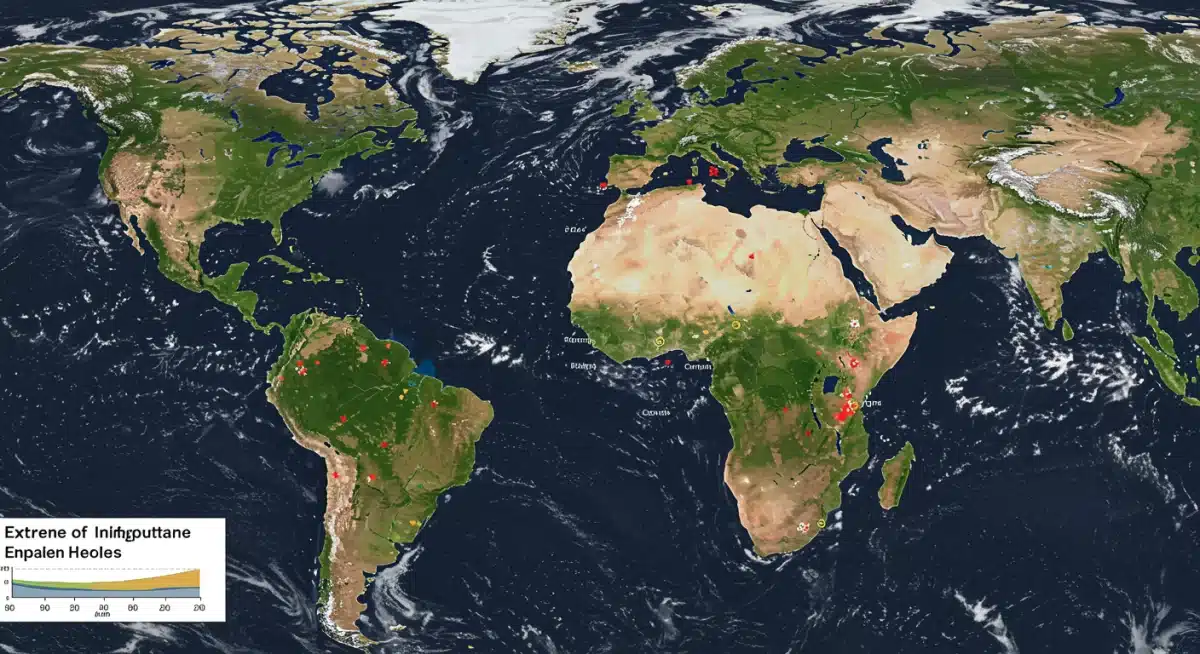
Extreme Weather Events
One of the most immediate and devastating effects of climate change is the increased frequency and intensity of extreme weather events:
- Droughts: Prolonged periods of insufficient rainfall deplete water resources crucial for irrigation, leading to crop failure and reduced yields. Regions historically prone to drought are experiencing more severe and extended dry spells, while new areas are becoming vulnerable.
- Floods: Conversely, intense rainfall can lead to widespread flooding, submerging fields, washing away topsoil, and damaging crops. This not only causes immediate losses but also degrades soil health and infrastructure.
- Heatwaves: Excessive heat during critical growth stages can stress plants, reduce pollination rates, and accelerate maturation, often resulting in smaller or lower-quality harvests. Livestock also suffer from heat stress, impacting productivity.
- Unpredictable Storms: More powerful and erratic storms, including hurricanes and tornadoes, can cause immense physical damage to crops, farm buildings, and rural communities.
Altered Growing Seasons and Shifting Climates
Beyond extreme events, climate change is fundamentally altering the rhythm of agricultural cycles:
- Earlier Springs/Later Falls: While a longer growing season might seem beneficial, it can disrupt the delicate balance of plant development, pest cycles, and water availability. Early thaws can lead to false springs, followed by damaging late frosts.
- Geographic Shifts: Optimal growing zones for certain crops are gradually migrating. This forces farmers to adapt by planting new varieties, or in some cases, considering entirely different crops, which can be a costly and complex transition.
- Water Scarcity: Changes in precipitation patterns, coupled with increased evaporation due to higher temperatures, are exacerbating water scarcity in many agricultural regions, putting immense pressure on irrigation systems and groundwater resources.
Increased Pest and Disease Pressure
Warmer temperatures and altered weather patterns favor the proliferation and spread of agricultural pests and diseases. Pests can reproduce more rapidly, expand their geographical range, and survive winters in areas where they previously couldn’t. This necessitates more vigilant monitoring and adaptive pest management strategies, often increasing input costs and environmental concerns.
Soil Degradation and Erosion
Intense rainfall, droughts, and changes in soil moisture can accelerate soil erosion and degrade soil health. Loss of topsoil, reduced organic matter, and nutrient depletion diminish the long-term productivity of agricultural land, posing a significant threat to sustainable farming.
These challenges underscore that while the USDA crop outlook 2026 is positive, it is a conditional optimism, heavily reliant on the sector’s ability to innovate and adapt to a changing climate.
Strategies for Resilience: Navigating the Future of Farming
To achieve the projected 3% increase in crop production while simultaneously mitigating the impacts of climate change, the agricultural sector must embrace a multi-faceted approach centered on resilience, innovation, and sustainability. The USDA crop outlook 2026 implicitly calls for such strategies.
Adopting Climate-Smart Agricultural Practices
Climate-smart agriculture (CSA) integrates practices designed to sustainably increase productivity and incomes, adapt and build resilience to climate change, and reduce greenhouse gas emissions. Key CSA practices include:
- Conservation Tillage: Practices like no-till and reduced tillage minimize soil disturbance, which improves soil structure, increases water infiltration, reduces erosion, and sequesters carbon.
- Cover Cropping: Planting non-cash crops between main crop rotations helps protect and enrich the soil, suppress weeds, and manage pests, contributing to overall soil health and fertility.
- Diversified Cropping Systems: Moving away from monoculture towards more diverse crop rotations and intercropping can enhance biodiversity, improve soil resilience, and reduce the risk of widespread crop failure due to specific pests or diseases.
- Integrated Pest Management (IPM): Utilizing a combination of biological, cultural, physical, and chemical tools to manage pests in an environmentally sound and economical manner, reducing reliance on broad-spectrum pesticides.
- Improved Nutrient Management: Precision application of fertilizers based on soil testing and crop needs reduces nutrient runoff and greenhouse gas emissions, while ensuring optimal plant nutrition.
Water Management and Conservation
Given increasing water scarcity, efficient water use is paramount:
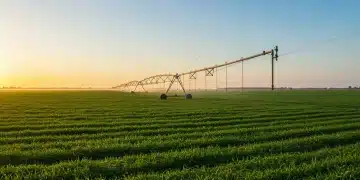
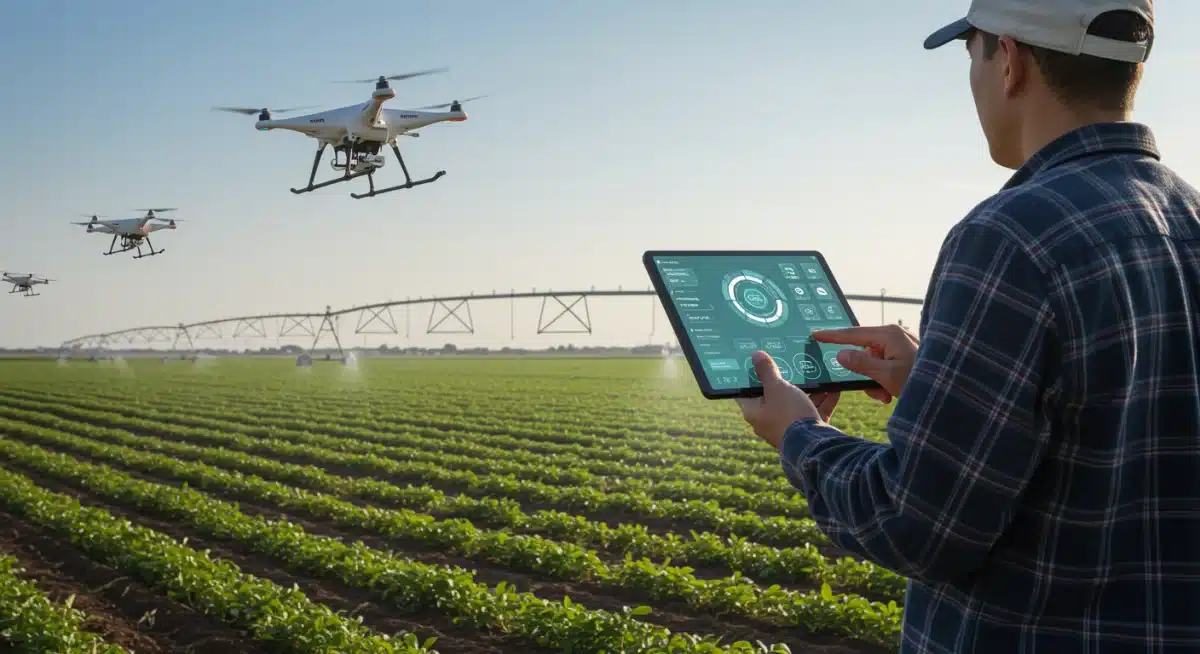
- Advanced Irrigation Systems: Drip irrigation, micro-sprinklers, and smart irrigation systems that use sensors and weather data can significantly reduce water consumption compared to traditional flood irrigation.
- Water Harvesting and Storage: Collecting and storing rainwater, and developing on-farm reservoirs, can provide crucial water resources during dry periods.
- Drought-Resistant Crop Varieties: Breeding and adopting crops that require less water or can withstand prolonged dry spells is a critical long-term strategy.
Leveraging Technology and Data
Technology will continue to be a cornerstone of agricultural resilience. The USDA crop outlook 2026 depends on continued tech adoption:
- Precision Agriculture: Using GPS, remote sensing (drones, satellites), and IoT devices to apply inputs precisely where and when needed, optimizing resource use and minimizing waste.
- Data Analytics and AI: Sophisticated algorithms can analyze vast datasets (weather patterns, soil conditions, market prices, historical yields) to provide actionable insights for planting, harvesting, and risk management.
- Biotechnology and Genetic Engineering: Developing crops with enhanced resistance to pests, diseases, and extreme weather, as well as improved nutrient efficiency.
- Vertical and Controlled Environment Agriculture (CEA): For certain high-value crops, indoor farming systems can provide year-round production, reduce water use, and eliminate pest pressure, offering a buffer against outdoor climate vulnerabilities.
Policy and Investment Support
Government policies and private investments are crucial for supporting these transitions:
- Research and Development Funding: Continued investment in agricultural R&D is essential for developing new technologies and crop varieties.
- Incentives for Sustainable Practices: Policies that reward farmers for adopting climate-smart practices can accelerate their widespread implementation.
- Risk Management Tools: Robust crop insurance programs and disaster relief mechanisms help farmers recover from climate-related losses, ensuring long-term viability.
- Infrastructure Development: Investments in water infrastructure, rural broadband, and renewable energy can further strengthen the agricultural sector.
Economic Implications and Market Dynamics for 2026
The USDA crop outlook 2026 has significant economic ramifications that will ripple through local, national, and global markets. A 3% increase in crop production, even with climate challenges, suggests a complex interplay of supply, demand, and price stability.
Impact on Farm Income
Increased production generally translates to higher revenues for farmers, assuming stable or favorable market prices. However, the costs associated with adopting new technologies and climate-resilient practices can be substantial. Farm income will depend on a delicate balance between higher yields, input costs (fertilizers, seeds, energy, labor), and commodity prices. Government support programs and market demand will play a crucial role in determining the profitability of farming operations.
Commodity Prices and Food Inflation
A 3% increase in overall crop production could lead to a more stable supply of agricultural commodities, potentially moderating food price inflation. However, localized climate-induced disruptions can still cause price spikes for specific crops or in particular regions. Global trade dynamics, including export policies and geopolitical events, will also heavily influence commodity prices.
Global Trade and Food Security
The United States remains a major player in global agricultural trade. A robust USDA crop outlook 2026 suggests continued strength in export markets, contributing to global food security. However, climate change impacts in other major agricultural regions worldwide could create volatility in international markets. The ability of the U.S. to maintain and increase production despite domestic climate challenges could position it as an even more critical supplier to food-insecure nations.
Investment and Innovation
The positive production outlook, coupled with the clear need for climate adaptation, is likely to attract further investment into agricultural technology, research, and infrastructure. This includes private sector funding for agritech startups, as well as government grants for sustainable farming initiatives. The demand for innovative solutions will drive the growth of new industries and services supporting agriculture.
Consumer Impact
For consumers, the USDA crop outlook 2026 generally points towards a stable and diverse food supply. While climate challenges might impact the availability or price of certain specialty items, overall food security is likely to be maintained. There will also be a growing consumer interest in sustainably produced and climate-friendly food options, influencing market trends and farmer practices.
The Role of Policy in Shaping the Agricultural Future
Government policy, both domestic and international, is a critical determinant of the agricultural sector’s ability to meet the USDA crop outlook 2026 and beyond. Effective policies can foster growth, mitigate risks, and promote sustainability.
Farm Bill and Agricultural Subsidies
The forthcoming Farm Bill and subsequent agricultural legislation will be crucial. These bills typically cover a wide range of programs, including crop insurance, conservation programs, commodity support, and food assistance. Future policies will need to increasingly integrate climate resilience and environmental stewardship into their frameworks, providing incentives for practices that reduce emissions and adapt to changing conditions.
Research and Extension Services
Continued federal funding for agricultural research (e.g., through USDA’s National Institute of Food and Agriculture) and extension services is vital. These institutions translate scientific discoveries into practical, on-farm solutions, helping farmers adopt new technologies and practices. The USDA crop outlook 2026 is inextricably linked to the success of these programs.
Trade Agreements and International Cooperation
Trade policies can either facilitate or hinder the flow of agricultural goods. Fair and stable trade agreements are essential for U.S. farmers to access global markets and for ensuring global food security. International cooperation on climate change, including sharing best practices and technologies, will also be important for addressing the global nature of agricultural challenges.
Infrastructure Investment
Investments in rural infrastructure – from improved roads and transportation networks to robust broadband internet access – are critical. Better infrastructure supports efficient supply chains, allows farmers to leverage digital tools, and enhances overall rural economic vitality, all of which indirectly support the goals of the USDA crop outlook 2026.
Environmental Regulations
Striking a balance between promoting agricultural productivity and protecting natural resources is a constant challenge. Environmental regulations related to water quality, pesticide use, and land conservation will continue to evolve, shaping farming practices and encouraging more sustainable approaches.
Conclusion: A Path Forward for a Resilient Agricultural Future
The USDA crop outlook 2026 presents a compelling narrative: one of continued growth and robust production, even in the face of significant environmental headwinds. The projected 3% increase in crop production is a testament to the ingenuity and adaptability of the American agricultural sector. However, this optimism is not without its caveats. The intensifying impacts of climate change – from unpredictable weather patterns to resource scarcity – demand an unyielding commitment to innovation, sustainable practices, and strategic foresight.
Achieving and sustaining this growth will require a concerted effort from all stakeholders. Farmers must continue to embrace climate-smart agricultural practices, leverage cutting-edge technologies, and adapt their operations to a changing environment. Researchers and innovators must accelerate the development of resilient crop varieties, efficient resource management systems, and predictive analytical tools. Policymakers must create supportive frameworks that incentivize sustainable farming, provide robust risk management, and invest in critical infrastructure and research.
Ultimately, the agricultural outlook for 2026 and beyond is a story of resilience. It is about the capacity of the sector to not only feed a growing population but also to do so in a manner that is environmentally sound and economically viable. The challenges are substantial, but the potential for growth and innovation, as highlighted by the USDA crop outlook 2026, offers a hopeful vision for a future where agriculture thrives in harmony with a changing planet. The journey will be complex, but with collaboration and a shared commitment to sustainability, the agricultural sector can indeed cultivate a prosperous and resilient future.