
The State of U.S. Infrastructure Projects in Q2 2026: Over $100 Billion Allocated to Key Upgrades (RECENT UPDATES)
The second quarter of 2026 has emerged as a pivotal period for the revitalization of America’s foundational systems. With an unprecedented allocation exceeding $100 billion, the nation is witnessing a concerted effort to modernize its infrastructure, addressing decades of underinvestment and preparing for future challenges. This comprehensive overview delves into the specifics of these significant investments, highlighting the key sectors benefiting from the infusion of capital, the driving forces behind these initiatives, and the anticipated long-term impacts on the American economy and its citizens. The focus on U.S. Infrastructure Upgrades is not merely about construction; it’s about building a more resilient, efficient, and equitable future.
The commitment to enhancing America’s infrastructure reflects a bipartisan recognition of its critical role in economic competitiveness, national security, and quality of life. From bustling urban centers to remote rural communities, projects are underway that promise to reshape the landscape of transportation, energy, water systems, and digital connectivity. This article will explore the strategic allocation of funds, the progress of marquee projects, and the innovative approaches being employed to ensure these investments yield maximum returns. Understanding the scope and ambition of these U.S. Infrastructure Upgrades is essential for anyone interested in the nation’s economic trajectory and its capacity to meet the demands of the 21st century.
Anúncios
Understanding the $100 Billion+ Investment in Q2 2026
The sheer scale of the investment in Q2 2026, surpassing $100 billion, underscores a profound shift in national priorities. This funding is not a monolithic allocation but rather a strategic distribution across various critical sectors, each identified as requiring urgent attention and long-term vision. The primary sources of this capital include federal appropriations, state-level initiatives, private-public partnerships, and innovative financing mechanisms designed to accelerate project delivery and ensure fiscal responsibility. The emphasis is on projects that offer significant economic multipliers, create substantial job opportunities, and address pressing environmental and societal needs. The overarching goal is to transform the nation’s infrastructure from a point of vulnerability into a source of strength and competitive advantage.
A significant portion of these funds is channeled through programs established by recent federal legislation, such as the Bipartisan Infrastructure Law (BIL), which continues to be a cornerstone of these efforts. However, Q2 2026 specifically highlights a renewed push and accelerated spending, indicating that many projects are moving beyond planning stages into active construction. This phase is characterized by a heightened demand for skilled labor, materials, and advanced technologies, stimulating growth across numerous industries. The impact of these U.S. Infrastructure Upgrades extends far beyond the construction sites, influencing supply chains, manufacturing, and local economies nationwide.
Anúncios
Furthermore, the investment is not just about quantity but also quality. There’s a strong emphasis on integrating sustainability, resilience, and technological innovation into every project. For example, new transportation initiatives are designed to reduce carbon emissions, while energy projects prioritize renewable sources and grid modernization. Water infrastructure upgrades focus on smart technologies to conserve resources and improve water quality. This holistic approach ensures that the investments made today will serve future generations effectively and efficiently, making these U.S. Infrastructure Upgrades truly transformative.
Key Sectors Benefiting from U.S. Infrastructure Upgrades
The more than $100 billion allocated in Q2 2026 is distributed across several vital sectors, each playing a crucial role in the nation’s overall health and prosperity. Understanding these allocations provides insight into the strategic priorities driving the current wave of infrastructure development.
Transportation Networks: Roads, Bridges, and Public Transit
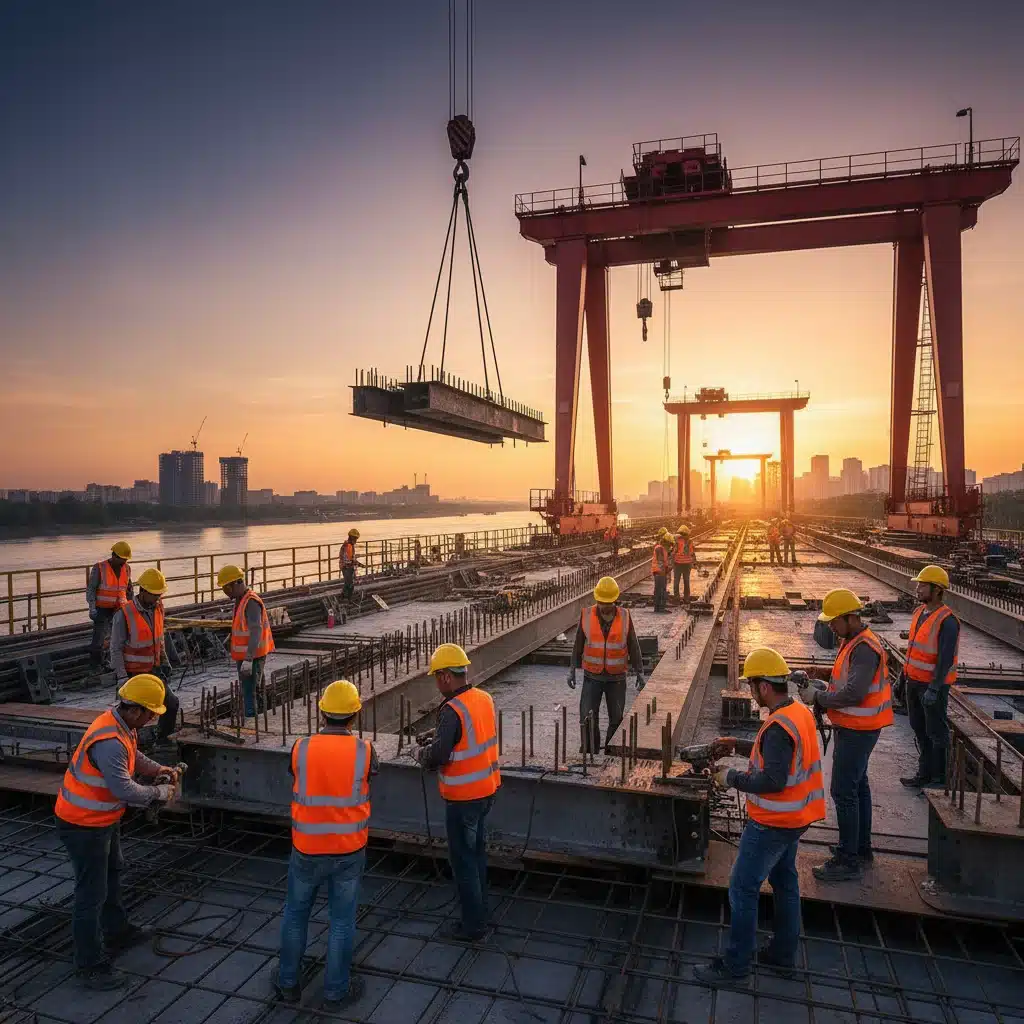
Transportation remains a cornerstone of the U.S. Infrastructure Upgrades. Decades of deferred maintenance have left many roads, bridges, and public transit systems in disrepair, hindering economic activity and posing safety risks. Q2 2026 sees substantial investment directed towards:
- Highway and Road Modernization: Funds are being used for repaving, widening, and constructing new lanes to alleviate congestion and improve freight movement. Smart highway technologies, such as intelligent traffic management systems, are also being integrated to enhance efficiency and safety.
- Bridge Repair and Replacement: Thousands of structurally deficient bridges across the nation are slated for repair or complete replacement, ensuring safer travel and vital connectivity for communities and commerce.
- Public Transit Expansion and Electrification: Investments are boosting urban and intercity public transportation options, including new rail lines, bus rapid transit systems, and the transition to electric bus fleets, reducing emissions and offering more sustainable commuting choices.
- Airport and Port Upgrades: Modernizing runways, terminals, and cargo facilities at airports, and deepening shipping channels and improving dock infrastructure at ports, are critical for maintaining global competitiveness and efficient supply chains.
These transportation projects are designed not only to improve mobility but also to foster regional economic growth by connecting communities and facilitating the movement of goods and services. The focus on resilience also means incorporating measures to withstand extreme weather events, a growing concern in many parts of the country.
Energy Infrastructure: Grid Modernization and Renewables
The energy sector is another significant beneficiary, with investments aimed at strengthening the national grid, enhancing energy security, and accelerating the transition to clean energy sources. The U.S. Infrastructure Upgrades in this area are multifaceted:
- Grid Resiliency and Modernization: Funds are being used to upgrade aging transmission lines, deploy smart grid technologies, and implement microgrid solutions to make the electrical grid more robust against cyberattacks, natural disasters, and increasing demand.
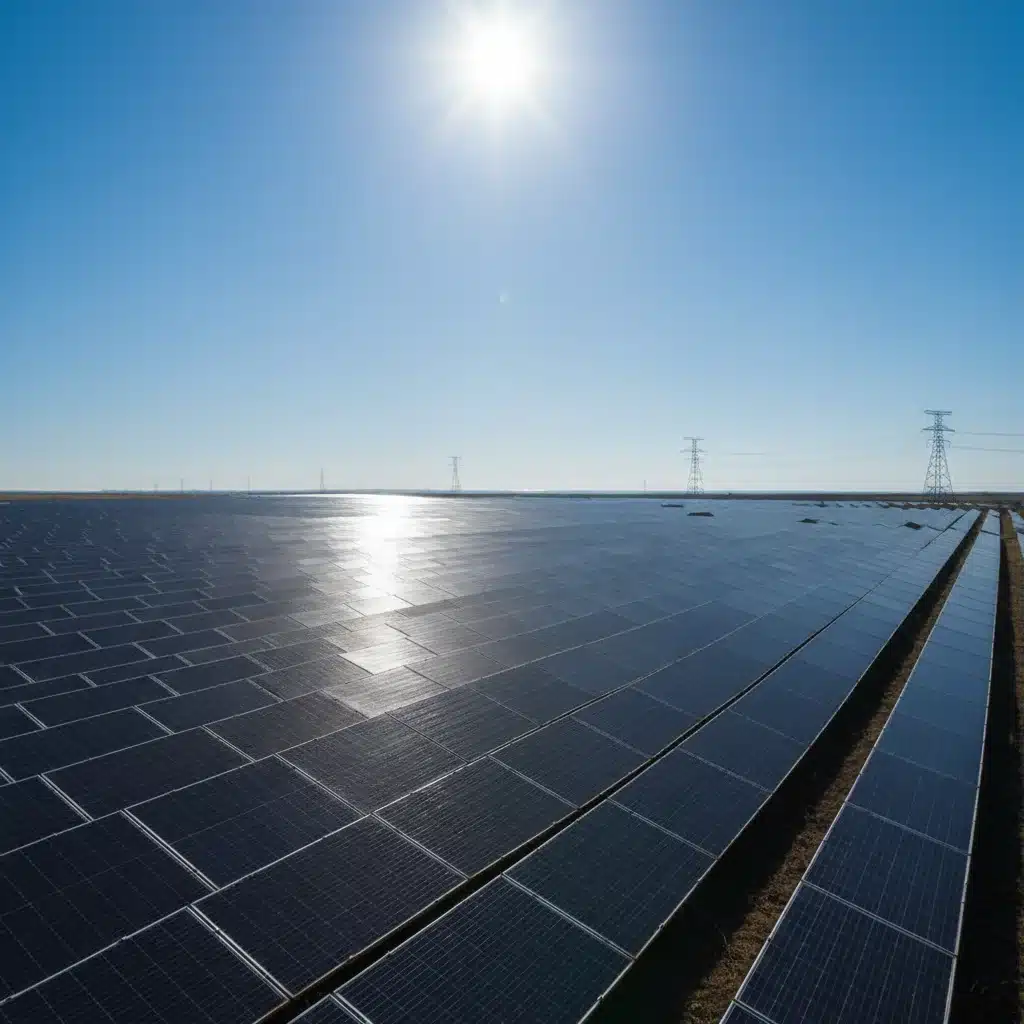
- Renewable Energy Integration: Significant capital is flowing into large-scale solar and wind farm projects, as well as the necessary transmission infrastructure to bring this clean energy to consumers. This includes investments in battery storage technologies to ensure grid stability.
- Electric Vehicle (EV) Charging Infrastructure: A nationwide network of EV charging stations is being rolled out, a crucial step in supporting the mass adoption of electric vehicles and reducing reliance on fossil fuels.
- Pipeline Safety and Upgrade: While focusing on renewables, there are also investments in upgrading existing oil and gas pipelines to enhance safety and reduce environmental risks.
These energy projects are vital for meeting climate goals, ensuring reliable power, and positioning the U.S. as a leader in clean energy innovation. They also represent a significant opportunity for job creation in green industries.
Water and Wastewater Systems: Purity and Resilience
Ensuring access to clean, safe drinking water and effective wastewater treatment is a fundamental public health imperative. The Q2 2026 investments are targeting:
- Lead Pipe Replacement: A major initiative involves replacing lead service lines in communities across the country, protecting millions from harmful contaminants.
- Water Treatment Plant Upgrades: Modernizing and expanding water treatment facilities to improve water quality and increase capacity to serve growing populations.
- Wastewater Infrastructure Improvements: Upgrading aging sewer systems, preventing overflows, and implementing advanced treatment technologies to protect waterways and public health.
- Resilience Against Climate Change: Investing in infrastructure that can better withstand droughts, floods, and rising sea levels, including stormwater management systems and coastal protection projects.
These water-related U.S. Infrastructure Upgrades are essential for safeguarding public health, supporting economic activity, and adapting to the challenges of a changing climate.
Digital Infrastructure: Broadband for All
In the 21st century, reliable high-speed internet is no longer a luxury but a necessity. The digital divide continues to be a significant challenge, particularly in rural and underserved urban areas. Q2 2026 investments are focused on:
- Broadband Expansion: Laying fiber optic cables and deploying other technologies to bring high-speed internet access to unserved and underserved communities, bridging the digital divide.
- Digital Equity Programs: Funding initiatives to make internet access more affordable and provide digital literacy training, ensuring that all Americans can participate in the digital economy.
- Cybersecurity Enhancements: Strengthening the cybersecurity defenses of critical infrastructure networks, protecting against potential threats to essential services.
These digital U.S. Infrastructure Upgrades are crucial for education, healthcare, economic development, and civic engagement, ensuring that no community is left behind in the digital age.
Economic Impact and Job Creation from U.S. Infrastructure Upgrades
The economic ramifications of these extensive U.S. Infrastructure Upgrades are profound and far-reaching. The injection of over $100 billion into the economy acts as a powerful stimulus, creating a ripple effect across various sectors. One of the most immediate and tangible benefits is job creation. These projects require a vast workforce, from engineers and project managers to skilled tradespeople like electricians, plumbers, ironworkers, and heavy equipment operators. The demand for these roles is not only creating new employment opportunities but also driving investment in vocational training and apprenticeship programs, ensuring a pipeline of qualified workers for future projects.
Beyond direct employment, the infrastructure boom fuels demand for construction materials such as steel, concrete, asphalt, and timber, boosting manufacturing and raw material extraction industries. Logistics and transportation sectors also experience increased activity as materials are moved to construction sites. Local businesses near project locations often see a surge in demand for goods and services from workers and support staff, further stimulating regional economies. This comprehensive economic uplift demonstrates the strategic importance of sustained investment in U.S. Infrastructure Upgrades as a tool for national prosperity.
Moreover, improved infrastructure leads to long-term economic efficiencies. Modernized transportation networks reduce shipping costs and travel times, making businesses more competitive and enhancing productivity. A more reliable and resilient energy grid lowers the risk of costly outages and supports industrial operations. Expanded broadband access unlocks new opportunities for remote work, e-commerce, and innovation, particularly in areas previously underserved. These efficiencies translate into sustained economic growth, increased business investment, and improved quality of life for citizens, solidifying the rationale for these significant U.S. Infrastructure Upgrades.
Challenges and Innovations in Project Delivery
While the commitment to U.S. Infrastructure Upgrades is robust, the execution of such large-scale projects is not without its challenges. Supply chain disruptions, labor shortages, rising material costs, and complex regulatory frameworks can all impede progress. However, Q2 2026 has also seen a rise in innovative approaches to overcome these hurdles.
One significant innovation is the increased adoption of advanced construction techniques and technologies. This includes using drones for site surveying, Building Information Modeling (BIM) for design and coordination, and modular construction methods that allow parts of projects to be fabricated off-site, reducing on-site construction time and costs. Robotics and automation are also being explored to enhance efficiency and safety in certain tasks. These technological advancements are critical for accelerating project timelines and ensuring cost-effectiveness in the face of escalating demands for U.S. Infrastructure Upgrades.
Furthermore, there’s a growing emphasis on streamlined permitting processes and enhanced collaboration between federal, state, and local agencies. Efforts are being made to reduce bureaucratic red tape, allowing projects to move from conception to completion more swiftly. Public-private partnerships (PPPs) are also playing an increasingly vital role, leveraging private sector expertise and capital to deliver projects that might otherwise be delayed due to funding constraints. These partnerships often bring innovative financing solutions and efficient management practices to the table, accelerating the pace of U.S. Infrastructure Upgrades.
Community engagement and environmental considerations are also at the forefront of modern infrastructure planning. Projects are increasingly designed with input from local communities to ensure they meet local needs and minimize negative impacts. Environmental impact assessments are more rigorous, and sustainable practices, such as using recycled materials and minimizing waste, are becoming standard. This holistic approach ensures that the benefits of the U.S. Infrastructure Upgrades are maximized while mitigating potential drawbacks, fostering greater public support and long-term success.
Regional Spotlights: Notable Projects and Their Impact
To illustrate the tangible impact of the Q2 2026 investments, it’s beneficial to look at specific regional projects that exemplify the broader trend of U.S. Infrastructure Upgrades.
In the Northeast, a multi-billion dollar project is underway to modernize a critical segment of the Amtrak Northeast Corridor, including tunnel repairs and bridge replacements that will significantly improve rail reliability and speed between major cities. This project addresses a long-standing bottleneck and is expected to boost regional economic activity by facilitating easier business and leisure travel.
Across the Midwest, several states are collaborating on a massive initiative to upgrade rural broadband infrastructure, bringing high-speed internet to thousands of previously unserved households and businesses. This transformative project is enabling new opportunities for remote education, telemedicine, and agricultural technology, revitalizing rural economies and ensuring digital equity.
On the West Coast, significant funds are being directed towards port modernization and expansion projects to enhance cargo handling capacity and reduce congestion. These U.S. Infrastructure Upgrades are crucial for maintaining the nation’s position in global trade and strengthening supply chain resilience, especially in light of recent global disruptions.
In the South, investments in climate-resilient infrastructure are paramount. Projects include reinforcing coastal defenses against rising sea levels and hurricanes, as well as upgrading stormwater management systems in flood-prone urban areas. These initiatives are vital for protecting communities and critical assets from the increasing impacts of climate change, making the region more secure and sustainable.
These examples represent just a fraction of the thousands of projects underway across the country, each contributing to a stronger, more connected, and more resilient America. The diverse nature of these investments reflects a commitment to addressing the unique needs and challenges of different regions while contributing to a unified national vision for U.S. Infrastructure Upgrades.
The Long-Term Vision for U.S. Infrastructure
The current wave of U.S. Infrastructure Upgrades in Q2 2026 is not merely a short-term spending spree; it is part of a broader, long-term vision to establish a foundation for sustained economic growth and improved quality of life for decades to come. This vision extends beyond simply repairing what is broken; it involves building for the future, anticipating technological advancements, demographic shifts, and environmental challenges.
Central to this long-term vision is the concept of a ‘smart infrastructure’ – systems that are interconnected, data-driven, and adaptable. This includes smart cities initiatives where sensors and IoT devices optimize traffic flow, manage waste, and monitor environmental conditions. It also encompasses a national energy grid that can intelligently balance diverse energy sources and respond dynamically to demand fluctuations. The integration of artificial intelligence and machine learning in infrastructure management promises to unlock new levels of efficiency and predictive maintenance, extending the lifespan of assets and reducing operational costs for these U.S. Infrastructure Upgrades.
Furthermore, the long-term plan emphasizes resilience against future shocks, whether from climate change, cyberattacks, or public health crises. Infrastructure projects are being designed with greater durability, redundancy, and adaptability in mind. This includes developing more robust materials, integrating green infrastructure solutions for natural disaster mitigation, and building in flexibility to accommodate future technological changes. The goal is to create systems that can not only withstand challenges but also recover quickly and continue to provide essential services, ensuring the sustainability of these crucial U.S. Infrastructure Upgrades.
Finally, the vision includes fostering a culture of continuous investment and maintenance. The lessons from past underinvestment are clear: neglecting infrastructure leads to higher costs and greater risks down the line. Therefore, a key component of the long-term strategy is to establish sustainable funding mechanisms and maintenance schedules to ensure that the investments made today continue to deliver benefits far into the future. This commitment to ongoing stewardship is vital for realizing the full potential of these ambitious U.S. Infrastructure Upgrades and securing a prosperous future for all Americans.
Conclusion: A New Era for U.S. Infrastructure
The second quarter of 2026 marks a defining moment in the history of American infrastructure. With over $100 billion actively allocated to a diverse array of vital projects, the nation is embarking on a transformative journey of modernization and resilience. From upgrading aging transportation networks and fortifying the energy grid to ensuring clean water and universal broadband access, these U.S. Infrastructure Upgrades are laying the groundwork for a more prosperous, equitable, and sustainable future.
The economic impact is already evident in job creation and stimulated growth across various industries. The integration of innovative technologies and collaborative project delivery methods is setting new standards for efficiency and effectiveness. While challenges persist, the collective commitment to overcoming them through ingenuity and strategic partnerships is undeniable. The regional spotlights demonstrate the tangible benefits reaching communities nationwide, improving daily lives and fostering local economic vitality. This concerted effort signals a new era for American infrastructure, one characterized by proactive investment, forward-thinking design, and a steadfast dedication to building a stronger foundation for generations to come. The ongoing progress of these U.S. Infrastructure Upgrades will undoubtedly remain a top priority, shaping the nation’s trajectory for years to come.