AI in Education 2026: Preparing for Future Learning
The year 2026 is not as far off as it seems, and the trajectory of artificial intelligence (AI) in education suggests a profound transformation is already underway. We are on the cusp of an era where AI will not merely augment existing educational practices but fundamentally reshape them. From personalized learning experiences to automated administrative tasks, and from new methods of skill development to redefined roles for educators, the impact of AI on education by 2026 will be nothing short of revolutionary. This article explores the multifaceted ways AI education future will unfold, offering insights into how we can prepare for this exciting new frontier of learning.
The Dawn of Personalized Learning: Tailoring Education with AI
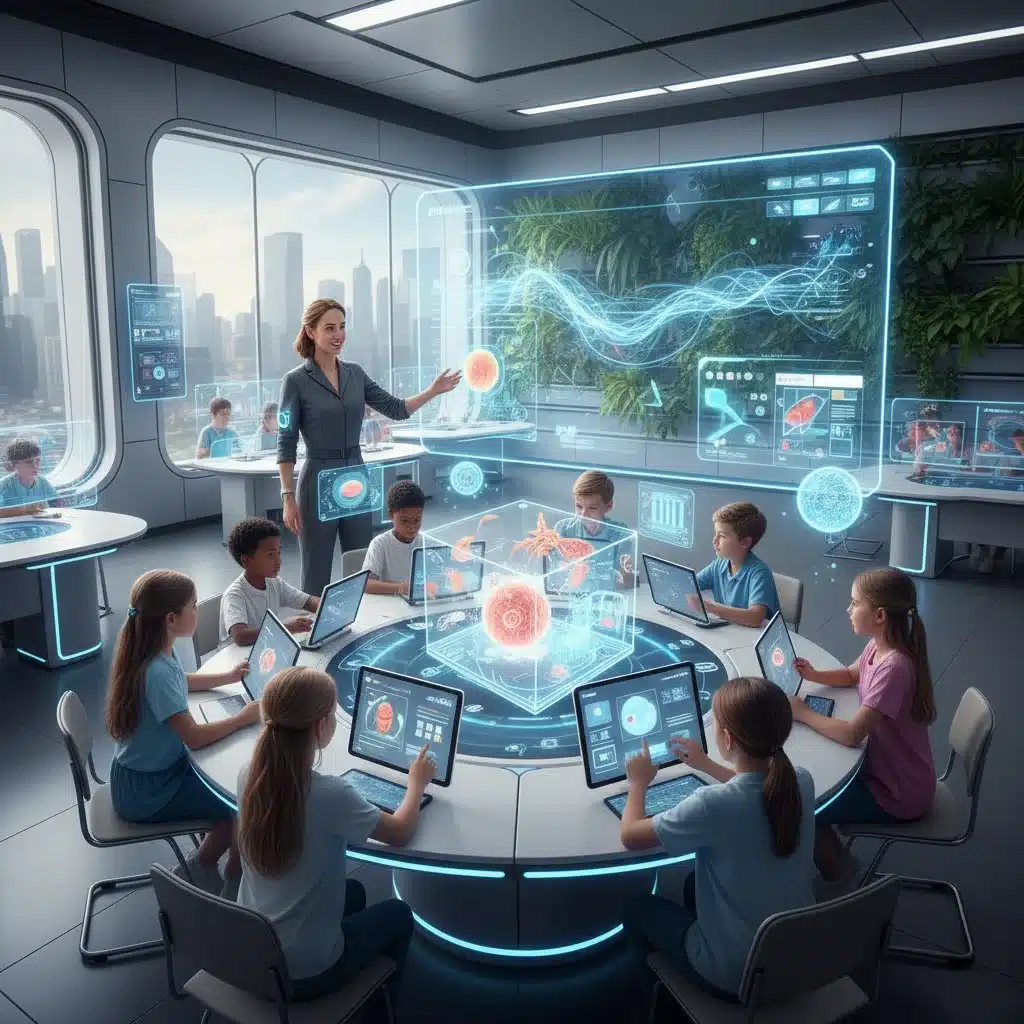
One of the most significant promises of AI in education is its ability to deliver truly personalized learning experiences. Traditional classrooms, with their one-size-fits-all approach, often struggle to cater to the diverse needs and learning styles of individual students. By 2026, AI-powered platforms will be sophisticated enough to analyze a student’s strengths, weaknesses, learning pace, and preferred modalities, creating bespoke educational pathways that adapt in real-time.
Adaptive Learning Systems and Intelligent Tutors
Adaptive learning systems, already in nascent stages, will become commonplace. These systems use AI algorithms to adjust the difficulty and content of material based on a student’s performance. If a student grasps a concept quickly, the system will move them forward. If they struggle, it will offer alternative explanations, supplementary resources, or different problem sets. This ensures that every student is challenged appropriately, preventing both boredom and frustration.
Intelligent tutoring systems, powered by advanced natural language processing (NLP) and machine learning, will act as virtual mentors. These tutors will be able to engage in conversational dialogue with students, answer questions, provide hints, and even identify misconceptions. Imagine a student struggling with a complex math problem at home; an AI tutor could guide them through it step-by-step, explaining the underlying principles in a way that resonates with that particular student. This level of personalized support, available 24/7, will be a game-changer for academic achievement.
The data generated by these AI systems will provide educators with unprecedented insights into student learning patterns. Teachers will be able to identify common areas of difficulty, track individual progress in detail, and intervene proactively where necessary. Instead of spending hours grading papers or compiling progress reports, AI will handle these tasks, freeing up teachers to focus on what they do best: mentoring, facilitating discussions, and fostering critical thinking. This shift will transform the educator’s role from a dispenser of information to a highly informed guide and facilitator.
Redefining Skill Development for the AI Era
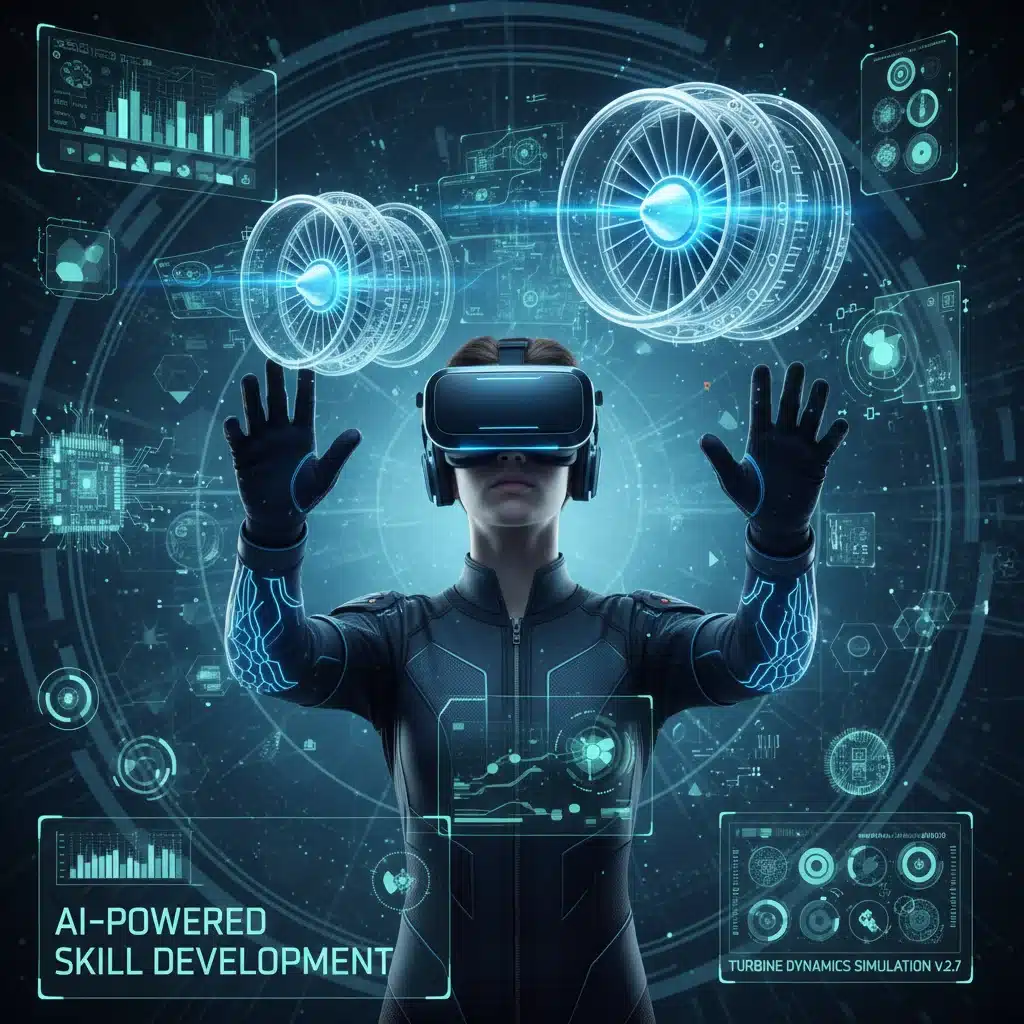
The rapid advancement of AI also necessitates a re-evaluation of the skills deemed essential for future generations. Rote memorization and procedural tasks, which AI can perform with increasing efficiency, will become less valuable. Instead, the focus will shift towards uniquely human capabilities that complement AI, such as creativity, critical thinking, complex problem-solving, emotional intelligence, and collaboration. By 2026, educational institutions will be actively integrating these skills into their curricula, often leveraging AI itself to teach them.
AI as a Tool for Creative Exploration
Far from stifling creativity, AI can act as a powerful tool for creative exploration. AI-powered generative tools can assist students in brainstorming ideas, composing music, designing art, or writing stories, allowing them to experiment with various concepts and iterate rapidly. For instance, an AI tool could generate multiple variations of a design, helping a student visualize possibilities they might not have considered. This collaborative approach with AI can unlock new levels of creative expression and innovation.
Fostering Critical Thinking and Problem-Solving
AI can also be used to create complex, dynamic simulations and problem-solving scenarios that mirror real-world challenges. Students could engage in virtual environments where they manage a business, solve environmental crises, or design engineering solutions, with AI providing realistic feedback and adapting the scenario based on their decisions. This experiential learning, powered by AI, develops critical thinking, strategic planning, and adaptive problem-solving skills – competencies crucial for any future career.
Ethical AI and Digital Citizenship
As AI becomes more ubiquitous, understanding its ethical implications and becoming responsible digital citizens will be paramount. Educational programs by 2026 will increasingly include modules on AI ethics, data privacy, algorithmic bias, and the societal impact of AI. Students will learn how to critically evaluate AI-generated content, understand the limitations of AI, and develop a sense of responsibility regarding its use. This is a vital aspect of preparing for the AI education future.
The Evolving Role of Educators in an AI-Enhanced Classroom
The integration of AI into education will undoubtedly change the role of educators, but it will not diminish their importance. Instead, it will elevate their function, allowing them to focus on higher-order tasks that require human empathy, judgment, and creativity. By 2026, teachers will be more like facilitators, mentors, and instructional designers, leveraging AI as a powerful assistant rather than seeing it as a replacement.
From Instructor to Learning Facilitator
With AI handling much of the rote instruction and personalized drilling, teachers will have more time to facilitate deeper learning. They will lead engaging discussions, guide collaborative projects, and provide individualized coaching on soft skills like communication and teamwork. The emphasis will shift from delivering content to creating rich, interactive learning environments where students can explore, discover, and construct their own understanding.
AI as a Teaching Assistant
AI will serve as an invaluable teaching assistant, automating mundane tasks such as grading multiple-choice quizzes, tracking attendance, scheduling, and providing initial feedback on assignments. This automation will significantly reduce teacher workload, allowing them to dedicate more energy to lesson planning, professional development, and meaningful one-on-one interactions with students. AI tools will also help teachers identify at-risk students sooner, enabling timely intervention and support.

Professional Development for the AI Era
For educators to thrive in this AI-enhanced environment, ongoing professional development will be crucial. Training programs will need to equip teachers with the skills to effectively integrate AI tools into their pedagogy, interpret AI-generated data, and design learning experiences that leverage AI’s capabilities. Understanding how to collaborate with AI, rather than compete with it, will be a core competency for every educator in the AI education future.
Challenges and Ethical Considerations in AI Education
While the potential benefits of AI in education are immense, it’s equally important to address the challenges and ethical considerations that accompany its widespread adoption. Ensuring equitable access, maintaining data privacy, and mitigating algorithmic bias are critical concerns that must be proactively addressed by 2026.
Ensuring Equitable Access
One of the most pressing challenges is ensuring that AI-powered educational tools are accessible to all students, regardless of their socioeconomic background or geographical location. The digital divide, if not addressed, could exacerbate existing educational inequalities. Governments, educational institutions, and technology providers must collaborate to provide necessary infrastructure, devices, and training to underserved communities to ensure that the benefits of AI education future are shared broadly.
Data Privacy and Security
AI systems in education will collect vast amounts of student data, from learning patterns and performance metrics to behavioral insights. Protecting this sensitive information from breaches and misuse is paramount. Robust data privacy regulations, transparent data handling policies, and secure technological infrastructure will be essential to build trust among students, parents, and educators. Students and parents must have clear control over their data and understand how it is being used to enhance learning.
Mitigating Algorithmic Bias
AI algorithms are trained on data, and if that data contains historical biases, the AI can perpetuate or even amplify those biases. This could lead to unfair outcomes in areas such as student assessment, recommendations for academic pathways, or even disciplinary actions. Developers and educators must work together to identify and mitigate algorithmic bias, ensuring that AI systems are fair, transparent, and equitable for all learners. Regular audits and diverse development teams will be key to addressing this issue.
The Human Element: Maintaining Social and Emotional Development
While AI can personalize academic learning, it cannot fully replicate the nuances of human interaction that are vital for social and emotional development. Education in 2026 must strike a careful balance, leveraging AI for cognitive tasks while ensuring ample opportunities for human connection, collaboration, and the development of empathy. The classroom remains a crucial space for developing interpersonal skills and a sense of community, and AI should complement, not replace, this human element.
Preparing for the AI Education Future: A Call to Action
To fully harness the potential of AI in education by 2026, a concerted effort from all stakeholders is required. This includes policymakers, educators, technology developers, parents, and students themselves.
Policy and Investment
Governments and educational bodies need to develop forward-thinking policies that encourage the responsible adoption of AI, provide funding for research and development, and invest in the necessary infrastructure and teacher training. Policies should focus on creating frameworks that promote innovation while safeguarding ethical principles and ensuring equity.
Curriculum Reform
Curricula must be continually updated to reflect the demands of an AI-driven world. This means not only integrating AI literacy but also emphasizing the ‘human’ skills that AI cannot replicate. Project-based learning, interdisciplinary studies, and real-world problem-solving will become even more central to educational design.
Collaboration and Research
Ongoing collaboration between AI researchers, educationalists, and industry experts is vital. This partnership can drive the development of effective, user-friendly, and ethically sound AI tools specifically tailored for educational contexts. Continuous research will help us understand the long-term impacts of AI on learning and inform best practices.
Empowering Educators
Investing in comprehensive professional development programs for educators is paramount. Teachers need to feel confident and competent in using AI tools, understanding their capabilities, and integrating them effectively into their teaching strategies. This empowerment will ensure that educators are leaders, not followers, in the adoption of AI in education.
Engaging Parents and Students
Open communication with parents and students about the role of AI in their learning journey is crucial. Educating them about the benefits, addressing concerns, and involving them in the transition process will foster a positive and collaborative environment for the adoption of new technologies. Understanding the AI education future will be a shared responsibility.
Conclusion: A Brighter Future for Learning
The year 2026 will mark a significant milestone in the integration of AI into education. While challenges exist, the potential for AI to personalize learning, redefine skill development, and empower educators is transformative. By embracing AI thoughtfully and strategically, we can move towards an educational system that is more equitable, efficient, and effective, preparing every student for success in an increasingly AI-powered world. The future of learning is dynamic, exciting, and inextricably linked to the intelligent evolution of artificial intelligence. It is a future where learning is not just about acquiring knowledge, but about developing the unique human capacities that will thrive alongside AI.